Edinburgh: The Historic Heart and Cultural Capital of Scotland
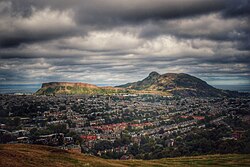
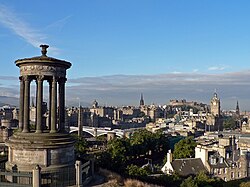
Edinburgh, the capital city of Scotland, is a place where medieval history and neoclassical elegance coexist. Known by nicknames such as Auld Reekie and the Athens of the North, the city serves as a global hub for culture, education, and governance. From the rugged peaks of Arthur's Seat to the structured grids of the New Town, Edinburgh offers a unique architectural and social landscape.
Key Facts
- Status: Capital city of Scotland and a unitary authority.
- Population: 530,680 (2024 estimate).
- UNESCO Sites: The Old and New Towns (inscribed 1995) and The Forth Bridge (inscribed 2015).
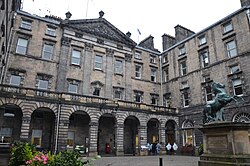
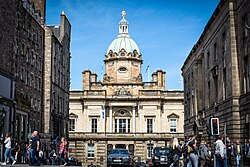
- Governance: Managed by the City of Edinburgh Council, headquartered at the Edinburgh City Chambers.
- Geography: Spans approximately 102 square miles.
A Journey Through Time
Early Foundations and Growth
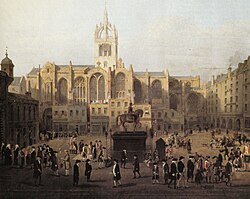
The origins of Edinburgh date back to before the 7th century AD. The city's formal development accelerated after receiving its burgh charter in 1124, eventually achieving official city status in 1633. Throughout the 17th and 18th centuries, the city evolved from a crowded medieval stronghold into a center of the Enlightenment.
The Architectural Divide: Old and New Towns
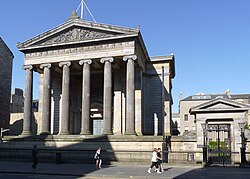
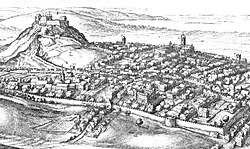
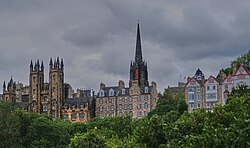
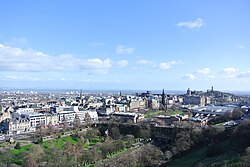
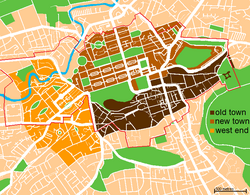
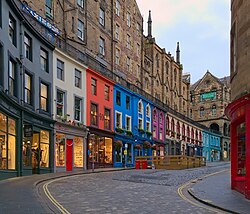
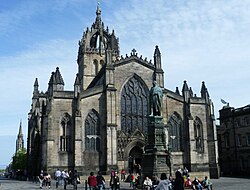
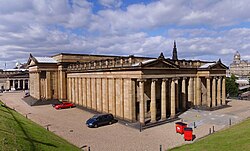
Edinburgh is defined by the contrast between its two primary centers. The Old Town is characterized by its narrow wynds and the imposing skyline of the royal mile. In contrast, the New Town, developed later, features the Greek Revival architecture that earned the city its "Athens of the North" moniker.
Modern Governance and the 21st Century
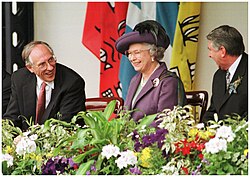
In the modern era, Edinburgh remains the political heart of Scotland. A landmark moment occurred in 1999 with the opening of the Scottish Parliament building, symbolizing the devolution of power within the United Kingdom.
Geography and Urban Layout
Cityscape and Areas
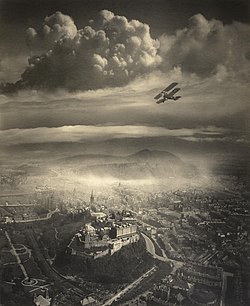
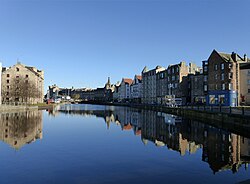
The city is built around a dramatic landscape of volcanic hills and coastal inlets. Key areas include the Southside and the port of Leith, which maintains a distinct maritime character.
Climate and Environment
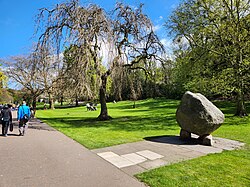
Edinburgh experiences a temperate maritime climate. Based on data from the Royal Botanic Garden Edinburgh (RBGE), the city sees an average annual precipitation of approximately 727.7 mm. Summer temperatures are mild, with a mean daily maximum in July of 19.3°C, while winter means drop to around 7.3°C in January.
Demographics and Society
Population and Diversity
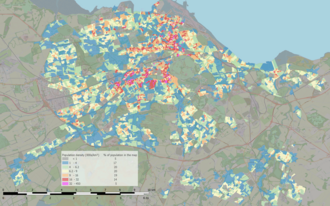
As of 2022, Edinburgh has become increasingly multicultural. While the majority of the population identifies as White (84.9%), there has been significant growth in Asian (8.6%) and Black (2.1%) communities. The city is a major destination for international residents, with notable birth-country populations from Poland, India, and Mainland China.
Religious Landscape
The 2022 census indicates a shift in religious affiliation, with 56.3% of the population reporting no religion, followed by Christianity at 30.1% and Islam at 3.5%.
Culture, Economy, and Infrastructure
Festivals and Arts
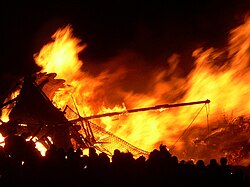
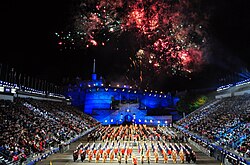
Edinburgh is world-renowned for its festivals, including the Edinburgh International Festival and the Fringe. The city also celebrates Hogmanay (the Scottish New Year), often featuring traditional events like the burning of a Viking longship.
Education and Healthcare
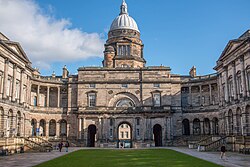
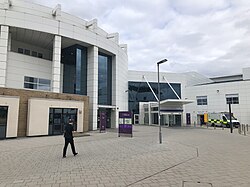
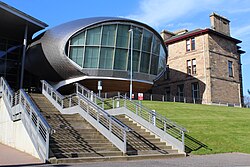
The city is a center of academic excellence, home to the University of Edinburgh and Edinburgh Napier University. Healthcare is anchored by the Royal Infirmary of Edinburgh, the city's primary public hospital.
Transport and Connectivity
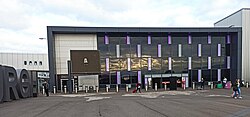
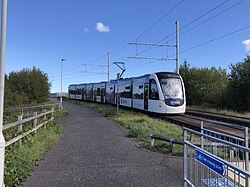
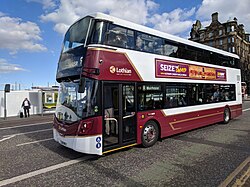
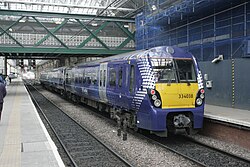
Edinburgh is highly accessible via multiple modes of transport. Edinburgh Airport is the busiest in Scotland and the sixth busiest in the UK. Within the city, residents and visitors rely on a network of Lothian buses, the Edinburgh Tram, and the central hub of Edinburgh Waverley station.
City Overview Summary
| Category | Detail |
|---|---|
| Founded | Before 7th century AD |
| Population (2024) | 530,680 |
| Area | 102 sq mi (263 km²) |
| Motto | Nisi Dominus Frustra (Without the Lord, all is in vain) |
| Main Airport | Edinburgh Airport |
| World Heritage Sites | Old and New Towns; The Forth Bridge |
Frequently Asked Questions
What are the nicknames of Edinburgh?
Edinburgh is commonly referred to as "Auld Reekie," "Edina," and the "Athens of the North."
Which parts of Edinburgh are UNESCO World Heritage Sites?
The Old and New Towns of Edinburgh were inscribed in 1995, and The Forth Bridge was added in 2015.
What is the population density of the city?
The population density is approximately 5,220 people per square mile (2,015 per km²).
Who governs the city of Edinburgh?
The city is governed by the City of Edinburgh Council, which operates as a unitary authority.
What is the climate like in Edinburgh?
Edinburgh has a temperate climate with an average annual precipitation of about 727.7 mm and mild summers, typically peaking around 19°C in July.