easyJet: The Evolution of a European Aviation Giant
Founded in 1995 by Sir Stelios Haji-Ioannou, easyJet has grown from a disruptive startup into one of Europe's most prominent low-cost carriers. By focusing on efficiency and accessibility, the airline has redefined air travel across the continent, connecting millions of passengers to 163 destinations through a vast network of strategic operating bases.
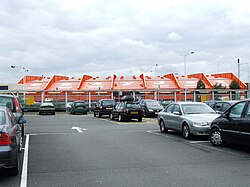
Headquartered at London Luton Airport, the company has evolved its business model from simple point-to-point flights to a comprehensive travel ecosystem that includes easyJet Holidays and the easyJet Plus frequent-flyer program.
Key Facts
- Founded: 1995
- Headquarters: Luton Airport, England
- Fleet Size: 356 aircraft
- Destinations: 163
- 2025 Revenue: £10,106 million
- 2025 Net Income: £494 million
- Employees: 18,968 (as of 2025)
- Current CEO: Kenton Jarvis
Corporate History and Growth
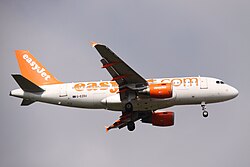
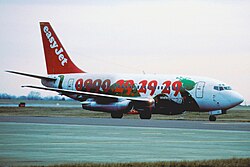
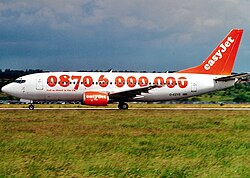
The trajectory of easyJet is marked by aggressive expansion and strategic acquisitions. In its early years, the airline utilized Boeing 737 aircraft to establish its footprint in the European market.
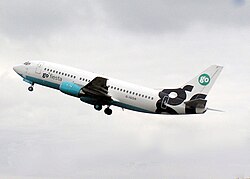
Significant milestones include the acquisition of Go in 2002 for £374 million and the purchase of GB Airways in 2007, which solidified its position as a leading carrier at London Gatwick. The company's corporate structure has also evolved, incorporating subsidiaries such as EasyJet UK, EasyJet Europe, and EasyJet Switzerland.
In a major shift in ownership, the airline was subject to a takeover by Apollo in 2026, following a competitive bidding process that included interest from Castlelake.
Fleet Strategy and Modernization
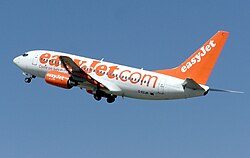
easyJet has transitioned its fleet from Boeing to a standardized Airbus fleet to maximize operational efficiency. The current strategy focuses on the neo (New Engine Option) series, which offers improved fuel efficiency and reduced emissions.
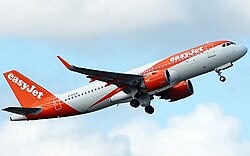
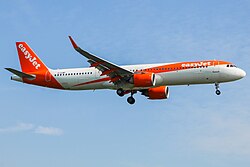
The airline currently operates a mix of A319, A320, and A321 aircraft, with a significant number of orders placed for A320neo and A321neo models to replace older airframes.
Current Fleet Composition
| Aircraft Type | In Service | Orders | Passenger Capacity |
|---|---|---|---|
| Airbus A319-100 | 82 | — | 156 |
| Airbus A320-200 | 25 | — | 155 - 186 |
| Airbus A320neo | 72 | 125 | 186 - 188 |
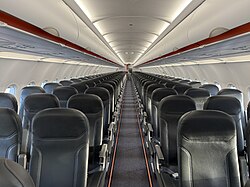
| Airbus A321neo | 21 | 165 | 235 |
| Total | 356 | 290 | — |
Network and Operations
easyJet operates from a diverse array of bases across Europe, including major hubs in London, Paris, Milan, and Amsterdam. London Gatwick serves as its largest hub, supporting 114 destinations.
![Countries in which EasyJet operates as of March 2026[127]](/images/75/fc/75fc0a05e7c0e8427d2f87016665acce048343b36bf4407d41ff91ebf2ca95aa.webp)
To enhance its reach, the airline has entered into Interline agreements—commercial arrangements that allow passengers to book a single itinerary across different airlines—with partners such as Virgin Atlantic, Etihad Airways, and WestJet.
Environmental and Social Initiatives
The airline has faced scrutiny over its environmental impact, leading to the introduction of the "EcoJet" concept and a commitment to offset carbon emissions from all flights. The company is also collaborating with Airbus to develop zero-emission aircraft and has explored the potential of electric flight.
Frequently Asked Questions
Who is the current CEO of easyJet?
As of January 2025, Kenton Jarvis serves as the Chief Executive Officer of easyJet.
What aircraft does easyJet primarily use?
easyJet operates an all-Airbus fleet, consisting of the A319, A320, and A321 families, with a strong focus on the fuel-efficient neo series.
Where is easyJet's head office located?
The company's headquarters are located at London Luton Airport in Luton, England.
Does easyJet offer more than just flights?
Yes, the company operates easyJet Holidays, providing package holiday services, and easyJet Plus, a loyalty program for frequent flyers.
How many destinations does easyJet serve?
easyJet currently serves 163 destinations across its European network.