East India Company: The Rise and Fall of a Global Trading Giant
Founded on December 31, 1600, the East India Company (EIC) began as a venture by a group of merchants seeking to break into the lucrative spice trade of the East Indies. What started as a modest joint-stock company—a business owned by shareholders—evolved over nearly three centuries into a corporate entity with unprecedented power, eventually governing vast territories of the Indian subcontinent.
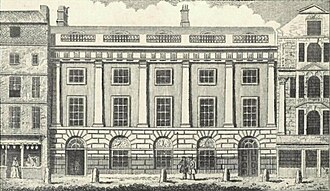
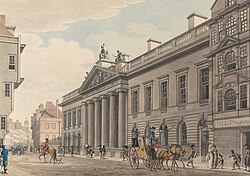
The company operated under the motto Auspicio Regis et Senatus Angliae ("By command of the King and Parliament of England"), reflecting its deep ties to the British state. From its headquarters at East India House in London, the EIC managed a complex network of trade, diplomacy, and military force that reshaped global commerce.
Key Facts
- Founded: December 31, 1600, by figures including William Cavendish and James Lancaster.
- Primary Goods: Cotton, silk, indigo dye, sugar, salt, spices, saltpetre, tea, and opium.
- Peak Workforce: Approximately 50,000 employees by the 1710s.
- Headquarters: East India House, Leadenhall Street, London.
- Fate: Nationalized in 1858; formally dissolved on June 1, 1874.
Early Voyages and Asian Expansion
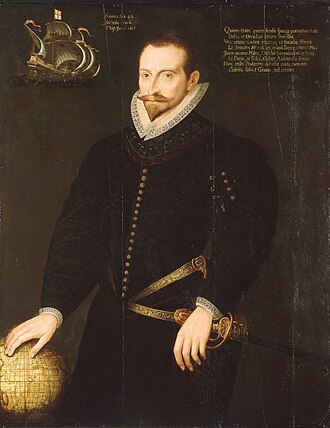
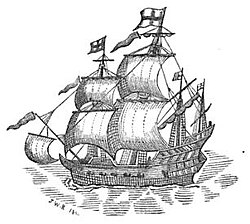
The EIC's early years were defined by high-risk maritime expeditions. James Lancaster commanded the first voyage in 1601, setting the stage for a series of ventures that balanced heavy investment in ships and provisions against the potential for immense profit.
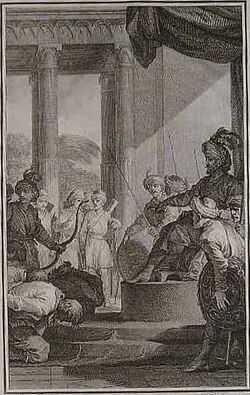
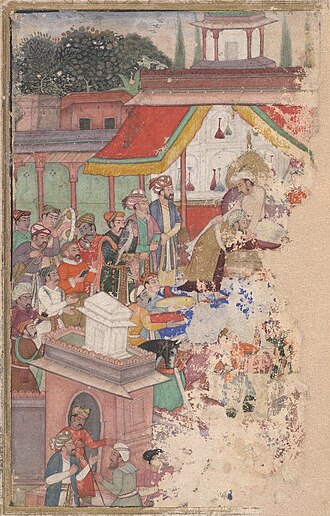
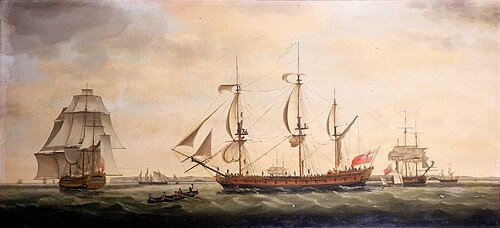
By the early 17th century, the company began establishing a foothold in Asia. In 1612, the vessel Red Dragon fought the Portuguese at the Battle of Swally, securing a strategic advantage in the East Indies. Diplomacy followed military success; Sir Thomas Roe served as the English ambassador to the court of Emperor Jahangir in Agra from 1615 to 1618, seeking trade concessions for the company.
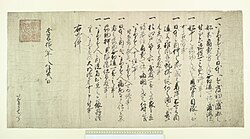
The company's reach extended beyond India. In 1613, Tokugawa Ieyasu granted trade privileges to the EIC in Japan, marking a significant expansion into East Asian markets.
The Mechanics of Monopoly and Trade
The EIC's growth was fueled by a trade monopoly, a legal exclusivity granted by the British government that prevented other English merchants from trading in the East. This was reinforced by several Acts of Parliament, including the East India Company Act of 1697 and the Act of 1711.
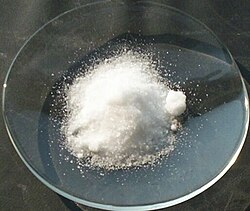
Among its most critical commodities was saltpetre, a key ingredient in the production of gunpowder, which provided the company with significant strategic leverage. Other high-value exports included textiles and tea, which became staples of British consumption.
Trade Volume and Competition
The EIC did not operate in a vacuum. It faced fierce competition from other European powers, most notably the Dutch (VOC), the French, and the Danes. Over time, the EIC managed to outpace its rivals in several key Indian hubs, including Bengal, Madras, Bombay, and Surat.
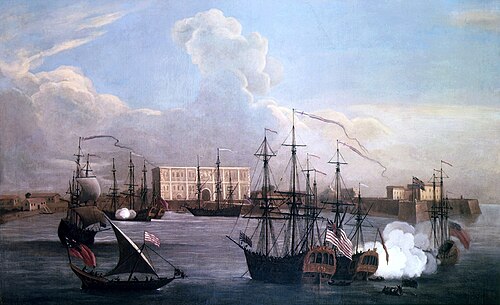
By 1801, the company's financial scale was immense. Records indicate that while its debts amounted to over 5.3 million pounds, its effects were valued at over 15.4 million pounds, with sales increasing significantly between 1793 and 1801.
Corporate Governance and Infrastructure
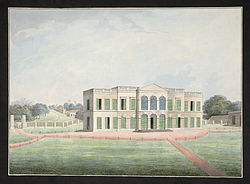
The company was led by a series of governors, starting with Sir Thomas Smythe. To maintain its vast operations, the EIC established "factories"—which were essentially trading posts and warehouses rather than manufacturing plants—such as the one at Cossimbazar.
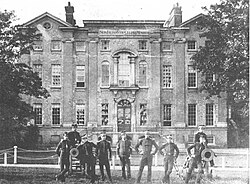
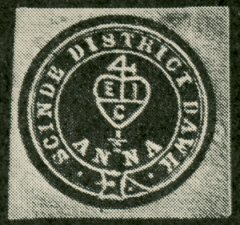
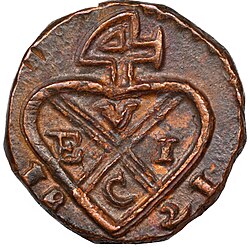
As the company transitioned from a trading entity to a governing body, it developed its own administrative and military infrastructure. This included the Addiscombe Seminary for training cadets and the issuance of its own currency and postage stamps, such as the Scinde Dawk.
The Transition to State Control
The EIC's dual role as a commercial company and a sovereign ruler eventually became unsustainable. Following the Government of India Act 1858, the company's territories and responsibilities were ceded to the British Government. The entity was finally dissolved by the East India Stock Dividend Redemption Act 1873, officially ending its existence on June 1, 1874.
| Category | Details |
|---|---|
| Founding Date | December 31, 1600 |
| Key Founders | William Cavendish, George Clifford, James Lancaster, John Spencer, John Watts |
| Major Trade Hubs | Bengal, Madras, Bombay, Surat |
| Key Commodities | Cotton, Silk, Indigo, Tea, Opium, Saltpetre |
| Dissolution Date | June 1, 1874 |
Frequently Asked Questions
What was the primary purpose of the East India Company?
The company was founded to engage in international trade, specifically to import spices and other luxury goods from the East Indies to England.
What is a trade monopoly in the context of the EIC?
A trade monopoly was a legal grant from the British Crown and Parliament that gave the EIC the exclusive right to trade in the East, preventing other English citizens from competing in those markets.
Why was saltpetre important to the company?
Saltpetre was a critical component used in the manufacture of gunpowder, making it a highly strategic commodity for both commercial profit and military power.
How did the company end?
The company's administrative powers were transferred to the British Crown via the Government of India Act 1858, and it was formally dissolved in 1874 through the East India Stock Dividend Redemption Act 1873.
Who were the first leaders of the company?
Sir Thomas Smythe served as the first Governor, with other early leaders including Sir John Watts and Sir John Hart.