East Asian Religions: The Interconnected Traditions of Tao, Confucianism, and Shinto
The spiritual landscape of East Asia is defined by a complex web of overlapping beliefs known as East Asian religions, or taoic religions. Unlike the more rigid boundaries often found in Abrahamic traditions, these faiths are characterized by syncretism—the blending of different beliefs and practices. In this region, practitioners frequently draw from multiple traditions simultaneously, sharing deities, rituals, and doctrines across religious boundaries.
This religious family encompasses a vast array of traditions, including Chinese folk religion, Confucianism, Taoism, and various salvationist organizations like Weixinism and Yiguandao. It also extends to Japan's Shinto and Tenrikyo, as well as Korean Shamanism and Jeungsanism. While diverse, these traditions are often united by core concepts of spirituality and world order, most notably the Tao (the "way") and Tian ("heaven").

Key Facts
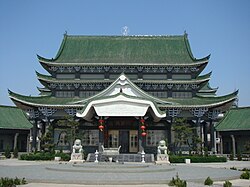
- Syncretism: A defining feature where multiple religious traditions are practiced concurrently by the same individuals.
- The Tao: The central concept representing the flow of reality and the force behind the natural order of the universe.
- Core Traditions: The primary pillars include Taoism, Confucianism, and Shinto, heavily influenced by Mahayana Buddhism.
- Theological Diversity: These religions span a wide spectrum, including polytheism, monotheism, pantheism, and agnosticism.
- Regional Influence: Chinese philosophy and theology served as the foundation for many Japanese and Korean new religious movements.
The Foundation: Tao and De
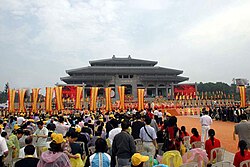
At the heart of many East Asian traditions is the Tao, which can be defined as the flow of the universe or the force that maintains balance and order. Because nature is seen as the primary demonstration of the Tao, the concept is deeply intertwined with the natural world and is viewed as the source of both existence and non-existence.
Closely linked to the Tao is the concept of de (or te), described as the active expression of the Tao. The interpretation of de varies by tradition: those aligned with Taoism view it as "integrity" or "wholeness," while those aligned with Confucianism interpret it as "morality" or "sound character."
Taoism: The Way of Nature
Taoism is a diverse collection of philosophical and ritual orders. Rather than a strictly organized religion, some scholars describe it as a way of life. Its ethics emphasize the unity of the material and spiritual worlds, as well as the "Three Jewels": love, moderation, and humility.
Theology in Taoism focuses on wu wei (non-action), spontaneity, and emptiness. While the Tao itself is not worshipped—functioning more like the Indian concept of atman—Taoists do recognize a pantheon of deities. Popular Taoism often views the Jade Emperor as the head deity, whereas professional priestly orders prioritize Laozi and the Three Pure Ones.
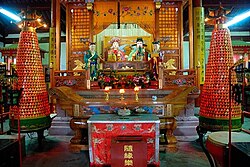
Taoist Practices
- Popular Taoism: Focuses on the worship of ancestors and nature deities.
- Professional Taoism: Emphasizes internal alchemy and complex ritual orders.
Confucianism: Social Order and Ethics
Confucianism is a comprehensive system of moral, social, and political thought. It rejects legalism in favor of ritualism and promotes meritocracy as the ideal for nobility. The core of Confucian ethics lies in humaneness, loyalty, and familial duty, governed by a strict system of etiquette and relationship duties.
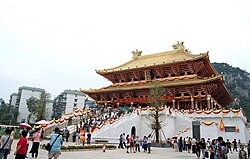
The Evolution of Confucian Thought
- Classic Confucianism: Focused on social stability, ancestral respect, and practical living.
- Neo-Confucianism: Developed during the Song dynasty, this version integrated Buddhist concepts and Taoist yin yang theory to create a more metaphysical framework.
- New Confucianism: A modernist approach that accommodates democratic ideals and modern science while preserving traditional values.
Shinto: The Way of the Gods
Shinto is the indigenous ethnic religion of Japan. Its name literally translates to "Way of the gods," and its practitioners place high value on family, nature, cleanliness, and ritual observation. Central to Shinto is the veneration of kami (gods or spirits) at dedicated shrines.
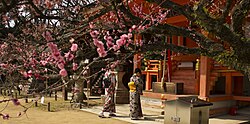
Shinto is divided into various forms, including "Folk Shinto," which emphasizes shamanistic elements like spirit possession and divination, and "Sect Shinto," which includes Confucian schools and mountain worshippers.
Cross-Cultural Interactions and Buddhism
The arrival of Buddhism from India led to significant syncretism, particularly with Taoism. Early translators used Taoist vocabulary to explain Buddhist scriptures, leading to the development of Chan Buddhism (Zen), which adopted the Taoist distrust of language and an emphasis on the "every-moment."
While Confucianists initially viewed the monastic lifestyle of Buddhism as a threat to social stability and family duty, the two traditions eventually reconciled. Over centuries, Taoism, Confucianism, and Buddhism influenced one another so deeply that many people in East Asia identify with all three simultaneously.
Summary of East Asian Religious Traditions
| Tradition | Core Focus | Key Concept | Primary Value |
|---|---|---|---|
| Taoism | Natural Order | Wu Wei (Non-action) | Spontaneity & Unity |
| Confucianism | Social Harmony | Ritualism | Filial Piety & Duty |
| Shinto | Nature Spirits | Kami | Purity & Tradition |
| Chan Buddhism | Enlightenment | Emptiness | Direct Experience |
Frequently Asked Questions
What is the difference between the Tao and a deity?
The Tao is not a god or an object of worship; rather, it is the fundamental force, flow, or principle behind the natural order of the universe. While Taoists may worship deities, the Tao itself is the source of existence.
How does syncretism work in East Asian religions?
Syncretism allows practitioners to blend elements from different faiths. For example, a person might follow Confucian ethics in their professional life, practice Taoist meditation for health, and visit a Buddhist temple for ancestral rites.
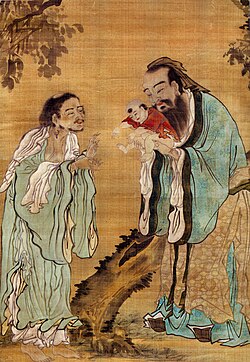
What is the relationship between Laozi and Confucius?
Traditionally, Laozi is held to have been a teacher of Confucius. However, some scholars suggest that the central text of Taoism, the Tao Te Ching, was actually a reaction against Confucian ideals.
What is the role of the kami in Shinto?
Kami are the gods or spirits found in nature and the ancestral line. Shinto practitioners venerate these spirits at shrines to maintain harmony between humans and the spiritual world.
How did Neo-Confucianism differ from original Confucianism?
Neo-Confucianism incorporated metaphysical elements from Buddhism and Taoism, such as the yin yang theory and the Yijing, to provide a more comprehensive theological framework than the original social-focused teachings.