Early Warning Systems: Protecting Communities from Global Hazards
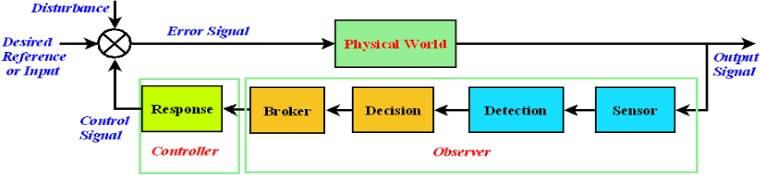
An early warning system is a sophisticated chain of information communication designed to identify hazards before they strike. By integrating sensors, event detection, and decision-making subsystems, these systems forecast disturbances that threaten the stability of the physical world. The primary goal is to provide critical lead time, allowing response systems to prepare and significantly minimize the impact of adverse events.
Unlike a simple warning system—which is merely a tool for disseminating alerts—a comprehensive early warning system is a holistic framework. To be truly effective, it must actively involve at-risk communities, promote public education, and maintain a constant state of preparedness.
Key Facts
- Four Core Functions: Effective systems rely on risk analysis, monitoring/warning, dissemination/communication, and response capability.
- Broad Application: Used for everything from missile defense and earthquakes to pandemics and chemical contamination.
- Climate Adaptation: The UN recommends these systems as essential tools for managing risks like sea-level rise and extreme weather.
- Technical Distinction: Earthquake early warning (EEW) detects an event in progress; it is not the same as earthquake prediction.
The Four Pillars of an Effective System
For an early warning system to save lives and protect infrastructure, it must execute four primary functions in a seamless loop:
- Risk Analysis: The systematic collection of data and assessment of predefined vulnerabilities and hazards.
- Monitoring and Warning: The study and detection of specific factors that indicate a disaster is imminent.
- Dissemination and Communication: Ensuring risk information reaches those in danger through clear, understandable, and accessible channels.
- Response Capability: The creation and testing of national and community response plans to ensure people know exactly how to act when a warning is issued.
Diverse Applications of Early Warning Technology
Defense and Security
In the realm of national security, early-warning radars, satellites, and Airborne Early Warning and Control (AEW&C) systems are used to detect potential missile attacks. While these systems are vital, history has recorded instances of malfunctions leading to nuclear-related false alarms. Modern developments now include the use of social media and aggregated news coverage as a "wisdom-of-the-crowd" mechanism to detect risks of novel terrorism.
Interestingly, the brief pulses transmitted by Cold War-era anti-ballistic missile (ABM) and space-surveillance radars are among the most likely artificial signals from Earth to be detectable by distant stars.
Natural Disasters and Earthquakes
Scientists continuously develop systems to predict volcanic eruptions and other natural disasters. A specialized version, the Earthquake Early Warning (EEW) system, utilizes accelerometers, seismometers, and computers to notify regions of a substantial earthquake once it has begun. It is important to note that EEW is not earthquake prediction, as the latter cannot currently produce decisive warnings before an event starts.

Public Health and Climate Adaptation
Early warning systems are critical for preventing pandemics and disease outbreaks, potentially identifying threats before they spill over from animals to humans. Similarly, the World Health Organization (WHO) recommends these systems to reduce morbidity related to heatwaves.
Due to climate change, the UN has highlighted these systems as key to climate risk management. They are essential for protecting coastal areas and agricultural zones from cyclones and flooding. The UN's "Climate Risk and Early Warning Systems" partnership specifically helps high-risk countries develop these neglected capabilities.
Environmental and Chemical Monitoring
The U.S. government operates airborne systems to detect small concentrations of aerosols, monitoring for potential geoengineering (solar radiation modification) attempts by other nations, which could have unpredictable climate effects. Additionally, because hundreds of thousands of chemicals have been used without full risk understanding, systems like England's National scale Prioritisation and Early Warning System (PEWS) help identify contaminants of emerging concern for regulatory action.
Summary of Early Warning System Applications
| Domain | Target Hazard | Primary Technology/Method |
|---|---|---|
| Defense | Missile Attacks / Terrorism | Radars, Satellites, Social Media Analysis |
| Geological | Earthquakes / Volcanoes | Seismometers, Accelerometers |
| Health | Pandemics / Heatwaves | Genomic Sequencing, Health Monitoring |
| Climate | Floods / Cyclones / Drought | Meteorological Sensors, UN Partnerships |
| Chemical | Environmental Contaminants | Prioritisation Systems (e.g., PEWS) |
Frequently Asked Questions
What is the difference between a warning system and an early warning system?
A warning system is simply a means of disseminating an alert to the public. An early warning system is a comprehensive chain that includes risk analysis, monitoring, communication, and a planned response capability.
Can earthquake early warning systems predict when an earthquake will happen?
No. Earthquake early warning (EEW) systems detect an earthquake that has already begun and provide a rapid notification to adjoining regions. They are not the same as earthquake prediction, which cannot currently produce decisive warnings.
How does the UN support early warning systems?
The UN promotes these systems as key elements of climate change adaptation and runs the "Climate Risk and Early Warning Systems" partnership to help high-risk countries develop their warning infrastructure.
Why are early warning systems used for chemicals?
With approximately 350,000 chemical substances created without full hazard understanding, these systems help prioritize which chemicals require regulatory intervention to prevent environmental and human health harm.
How is social media used in early warning systems?
Aggregated news and social media coverage are used as a "wisdom-of-the-crowd" mechanism to potentially detect and predict risks of novel terrorism attacks more cost-effectively.