E-reader Evolution: The Rise and Shift of Digital Publishing (2010-2019)
The second decade of the 21st century marked a volatile and transformative era for the publishing industry. Between 2010 and 2019, the world witnessed the meteoric rise of the e-reader—dedicated devices designed for digital reading—and a subsequent shift in consumer behavior as tablets and smartphones integrated these capabilities. This period was defined by intense corporate competition, landmark legal battles over pricing, and the introduction of groundbreaking hardware features.
Key Facts
- Market Peak: By 2015, over 70 million e-readers had been shipped worldwide.
- Hardware Milestones: The era saw the introduction of built-in front lighting, waterproof casings, and high-resolution E Ink Carta HD displays.
- Legal Precedents: Apple was ultimately ordered to pay $450 million following a conspiracy to fix ebook prices.
- Market Shift: By 2016, smartphones and tablets surpassed dedicated e-readers as the primary methods for reading ebooks.
- Print Resurgence: By 2017, physical book sales began outperforming digital titles in several major markets.
The Early Boom: 2010-2012
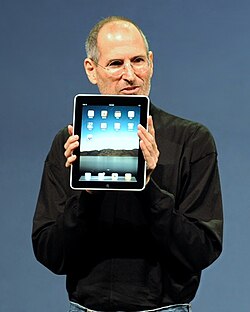
The start of the decade saw a surge in device diversity. In 2010, Amazon expanded its reach with the Kindle DX International Edition and the third-generation Kindle. Simultaneously, Apple entered the fray in April 2010 by releasing the iPad, bundled with the iBooks app, which fundamentally changed how users interacted with digital text.
Other players quickly followed. Kobo Inc. launched its eReader in Canada and the US, while Barnes & Noble introduced the Nook Color, a tablet featuring a color LCD. By December 2010, Google entered the market with Google eBooks, which became the world's largest ebook store at the time with over three million titles.
The impact on sales was immediate. In July 2010, Amazon reported that ebook sales outnumbered hardcover sales for the first time in a single quarter. By May 2011, Amazon announced that its US ebook sales exceeded all of its printed book sales. This momentum continued into 2012, with the US ebook market generating over three billion dollars in revenue.
Technological Advancements and New Formats
Hardware evolved rapidly to improve the reading experience. In September 2012, Amazon released the Kindle Paperwhite, the first e-reader to feature built-in front display lighting. Meanwhile, the industry began experimenting with digital-only content; Nature Publishing released Principles of Biology, a modular textbook with no paper edition.
Market Maturity and Legal Turmoil: 2013-2015
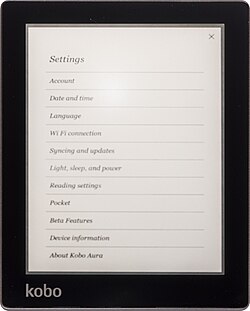
As the market matured, the focus shifted toward specialized hardware and new business models. Kobo pushed boundaries by releasing the Aura HD with a large 6.8-inch screen in 2013, followed by the Aura H₂0 in 2014, the first commercially produced waterproof e-reader.
The industry also saw the rise of subscription services—models where users pay a monthly fee for unlimited access to a library. Mofibo launched the first such service in Scandinavia in 2013, followed by Oyster and Scribd. Amazon later entered this space in July 2014 with Kindle Unlimited.
However, this growth was shadowed by significant legal conflict. The US Department of Justice launched an anti-trust lawsuit against Apple and five major publishers (Simon & Schuster, Hachette Book Group, Penguin Group, Macmillan, and HarperCollins), alleging collusion to inflate ebook prices. After years of appeals, the US Supreme Court declined to hear Apple's final appeal in 2016, upholding a decision that required Apple to pay $450 million.
The Pivot Back to Print: 2016-2019
By the mid-2010s, the dominance of the dedicated e-reader began to wane. In 2016, it was observed that smartphones and tablets had individually overtaken e-readers as the preferred devices for digital reading. More surprisingly, paperback sales began to climb higher than ebook sales.

Data from 2017 revealed a significant decline in the US adult ebook market, dropping 16.9% in the first nine months of 2016 compared to 2015. Analysts attributed this partly to price increases, with the average ebook price rising from $6 to nearly $10. In the UK, physical books outperformed digital titles, often because physical copies were cheaper due to agency pricing deals.
Despite the market shift, hardware continued to refine. Amazon released the Kindle Oasis in 2016, reintroducing physical page-turn buttons, and the Oasis 2 in 2017, which featured an IPX8 rating for water resistance up to two meters. Barnes & Noble also expanded its lineup, releasing the 7.8-inch GlowLight Plus in 2019.
Summary of E-reader Evolution
| Year | Major Device/Service Launch | Industry Milestone |
|---|---|---|
| 2010 | iPad (Apple), Nook Color (B&N) | Ebooks outsell hardcovers (Amazon Q2) |
| 2011 | Kindle Fire, Nook Simple Touch | US ebook sales exceed print sales (Amazon) |
| 2012 | Kindle Paperwhite | US market revenue exceeds $3 billion |
| 2014 | Kobo Aura H₂0, Kindle Unlimited | First waterproof commercial e-reader |
| 2015 | Kindle Voyage | 70 million e-readers shipped worldwide |
| 2016 | Kindle Oasis | Smartphones/Tablets overtake e-readers |
| 2017 | Kindle Oasis 2 | Hardcover sales exceed ebook sales |
Frequently Asked Questions
Why did the ebook market decline around 2016-2017?
The decline was driven by several factors, including the rise of multi-purpose tablets and smartphones, as well as price increases by major publishers that raised the average ebook cost from $6 to nearly $10.
What was the result of the Apple ebook price-fixing case?
The US courts found Apple guilty of conspiring to raise the retail price of ebooks. After several appeals, the Supreme Court declined to hear the case in 2016, leaving Apple obligated to pay $450 million.
Which was the first waterproof e-reader?
The Kobo Aura H₂0, released in April 2014, was the world's first commercially produced waterproof e-reader.
How did the Kindle Oasis differ from previous Kindles?
The original Kindle Oasis (2016) reintroduced physical page-turn buttons and was designed as a premium, lightweight product. The Oasis 2 (2017) added IPX8 water resistance and a dark mode feature (white text on a black background).
What is E Ink Carta HD?
E Ink Carta HD is a high-resolution display technology used in e-readers, such as the Kindle Voyage and Kobo Aura One, to provide higher contrast and clarity, mimicking the appearance of printed paper.