Dyslexia: Causes, Symptoms, and Management of Reading Disorders
Dyslexia is a neurodevelopmental condition characterized by difficulties in processing letters and words. Often referred to as a reading disorder, it primarily affects an individual's ability to read fluently and accurately, despite having the intelligence and desire to learn. While it is most commonly identified during school age, its impact can extend throughout a person's life if not properly managed.
The condition is not a reflection of intelligence but rather a difference in how the brain processes written and spoken language. By understanding the neurological and genetic foundations of dyslexia, educators and healthcare providers can implement strategies to help affected individuals succeed.

Key Facts
- Frequency: Affects approximately 3% to 7% of the population.
- Onset: Typically becomes apparent during school age.
- Primary Symptom: Significant trouble with reading.
- Causes: A combination of genetic and environmental factors.
- Treatment: Primarily managed by adjusting teaching methods.
Understanding the Nature of Dyslexia
Dyslexia involves a disruption in the way the brain connects sounds to letters. One specific type is surface dyslexia, where individuals struggle to recognize words by sight and must rely on sounding them out phonetically.
Associated Conditions
Dyslexia rarely exists in isolation. It is frequently comorbid with other neurodevelopmental conditions, including:
- Dysgraphia: Difficulty with the physical act of writing and spelling.
- Attention Deficit Hyperactivity Disorder (ADHD): A condition involving patterns of inattention or hyperactivity.
- Auditory Processing Disorder: Difficulty in how the brain interprets sounds.
- Developmental Coordination Disorder: Challenges with motor skills and coordination.
Causes and Neuroanatomy
The origins of dyslexia are multifaceted, involving a complex interplay between biology and environment. Research indicates that family history is a significant risk factor, suggesting a strong genetic component.
From a neurological perspective, dyslexia is linked to differences in brain structure and function. Specifically, areas of the brain responsible for language processing and the connection between the two hemispheres—facilitated by the corpus callosum (the thick band of nerve fibers connecting the left and right hemispheres)—may function differently.
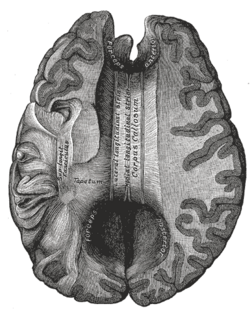
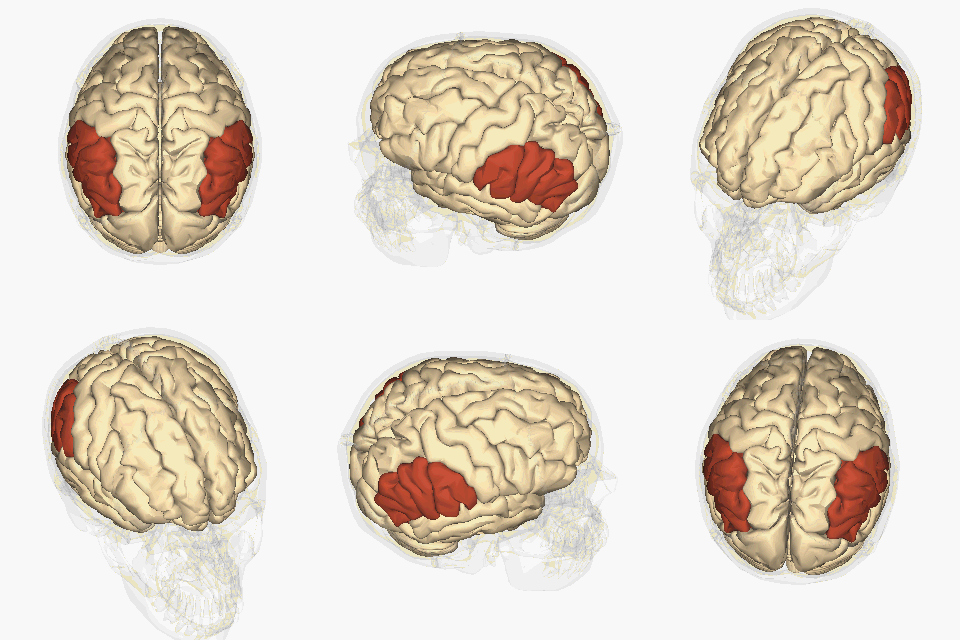
Other regions, such as the inferior parietal lobule (a part of the parietal lobe involved in sensory integration), are also studied to understand how the brain maps sounds to visual symbols.
Diagnosis and Assessment
Diagnosing dyslexia requires a comprehensive evaluation to rule out other potential causes for reading difficulties, such as hearing loss, vision problems, or insufficient educational instruction (differential diagnosis).
Clinicians and specialists typically use a series of standardized tests to assess the following:
- Memory: Testing the ability to retain and recall sequences.
- Spelling: Evaluating the ability to encode sounds into written letters.
- Vision: Ensuring that visual impairments are not the primary cause of reading struggle.
- Reading Ability: Measuring fluency, accuracy, and comprehension.
Management and Treatment
While there is no "cure" for dyslexia, it can be effectively managed through targeted educational interventions. The primary treatment involves adjusting teaching methods to suit the learner's needs.
Effective approaches often include structured literacy and specialized methods like the Orton-Gillingham approach, which emphasizes multisensory learning to help students associate sounds with letters more effectively.
| Feature | Details |
|---|---|
| Primary Specialty | Neurology, Pediatrics |
| Prevalence | 3% – 7% |
| Risk Factors | Genetics, Family History, ADHD |
| Diagnostic Tools | Memory, Spelling, Vision, and Reading tests |
| Core Management | Modified teaching strategies |
Frequently Asked Questions
Is dyslexia caused by low intelligence?
No. Dyslexia is a processing disorder and is not related to a person's overall intelligence. Many individuals with dyslexia are highly intelligent and excel in other cognitive areas.
Can dyslexia be cured?
Dyslexia is a lifelong neurodevelopmental condition, so it cannot be "cured." However, with the right teaching methods and support, individuals can become proficient readers and writers.
What is the difference between dyslexia and dysgraphia?
Dyslexia primarily affects reading and the processing of letters and words, whereas dysgraphia specifically refers to difficulties with the physical act of writing and spelling.
How is dyslexia diagnosed?
Diagnosis is typically achieved through a series of assessments focusing on memory, spelling, vision, and reading, while ruling out hearing or vision impairments.
Who is most at risk for developing dyslexia?
Individuals with a family history of reading disorders or those who also have Attention Deficit Hyperactivity Disorder (ADHD) are at a higher risk.