Dubstep: The Evolution of Bass Music from London to the Global Stage
Dubstep is a genre of electronic dance music that emerged from the underground scenes of London, England, in the early 2000s. Characterized by its heavy emphasis on bass and syncopated rhythms, it evolved from a niche South London sound into a global phenomenon that redefined the landscape of modern electronic music.
The genre's identity is rooted in a blend of various styles, drawing heavily from UK garage, dub, and reggae, while also incorporating elements of breakbeat, grime, jungle, and drum and bass. This fusion created a sonic space where deep, atmospheric textures met aggressive low-end frequencies.

Key Facts
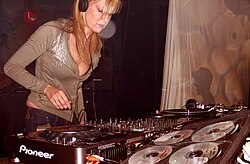
- Origin: Early 2000s in London, United Kingdom.
- Core Elements: Heavy basslines, syncopated rhythms, and the signature "wobble bass."
- Key Influences: UK garage, dub, reggae, and grime.
- Major Subgenres: Brostep, post-dubstep, riddim, and colour bass.
- Global Shift: Transitioned from a dark, atmospheric UK sound to a high-energy American style (Brostep) in the late 2000s.
The Sonic Architecture of Dubstep

At its core, dubstep is defined by its unique approach to rhythm and frequency. Unlike the steady four-on-the-floor beat of house music, dubstep utilizes a syncopated rhythm that creates a sense of space and tension.
The Wobble Bass
Perhaps the most recognizable characteristic of the genre is the wobble bass. This effect is created by manipulating the cutoff frequency of a low-pass filter on a bass synthesizer, resulting in a rhythmic "wub-wub" sound that varies in speed and intensity.
Structure and Cultural Elements
Early dubstep was deeply tied to the sound system culture of London, where the physical impact of the bass was as important as the melody. This cultural foundation emphasized immersive, bass-heavy experiences in intimate club settings.
A Chronological History
1999–2005: Origins and Evolution
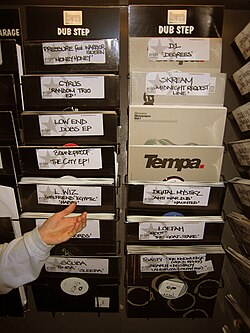
Between 1999 and 2002, dubstep began to crystallize as a distinct style in South London. By 2005, the sound had evolved, moving away from its garage roots toward a darker, more stripped-back aesthetic. Pioneers like Mala of Digital Mystikz helped define this era of deep, meditative bass.
2005–2008: Growth and the Purple Sound
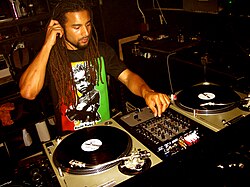
The genre saw significant growth between 2005 and 2008, gaining traction through influential DJs and record shops. In 2008, the "purple sound" emerged, introducing more melodic and synth-driven elements to the traditionally dark palette of the genre.
2009–2014: Mainstream Popularity and Brostep
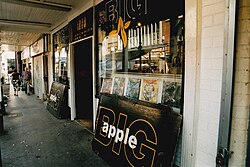
The turn of the decade marked a massive shift as dubstep entered the mainstream. This era saw the rise of Brostep, a derivative form that originated in the UK but exploded in the United States. Brostep shifted the focus from deep sub-bass to aggressive, mid-range frequencies, blending dubstep with electro house, heavy metal, and industrial rock.
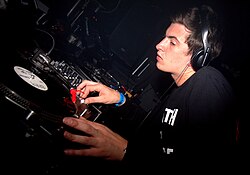
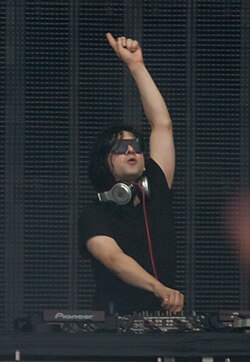
2011–Present: Post-Dubstep and New Frontiers
By 2011, some artists began moving toward post-dubstep, a more experimental approach that distanced itself from the aggressive tropes of Brostep. In 2012 and 2013, riddim emerged as a more repetitive, percussion-focused style. While mainstream popularity declined after 2014, the genre continued to evolve, leading to the rise of colour bass from 2016 onwards.

Genre Summary and Derivatives
The following table summarizes the primary branches of the dubstep family tree.
| Genre/Subgenre | Primary Origins | Key Characteristics |
|---|---|---|
| Classic Dubstep | London, UK | Deep sub-bass, syncopated rhythms, atmospheric. |
| Brostep | USA / UK | Aggressive mid-range bass, high energy, electro influences. |
| Post-Dubstep | UK | Experimental, melodic, less emphasis on the "wobble." |
| Riddim | USA / UK | Repetitive patterns, heavy percussion, minimalist structure. |
| Colour Bass | Modern EDM | Harmonic richness, melodic bass, bright textures. |
Frequently Asked Questions
What is the difference between Dubstep and Brostep?
Classic dubstep focuses on deep sub-bass and atmospheric space, originating from London's sound system culture. Brostep is a more aggressive, high-energy derivative that emphasizes mid-range frequencies and often incorporates elements of metal and electro house.
What is "wobble bass"?
Wobble bass is a signature sound in dubstep created by using a low-pass filter on a bass synthesizer and modulating the cutoff frequency, which produces a rhythmic, oscillating effect.
Who are some of the most influential figures in dubstep?
Key figures include Mala of Digital Mystikz, who helped pioneer the early sound; Skream, one of the most recognized names from the movement's beginning; and Skrillex, who played a massive role in bringing the Brostep sound to global mainstream popularity.
What is post-dubstep?
Post-dubstep is a term used to describe artists who emerged from the dubstep scene but moved toward more experimental, melodic, and diverse electronic sounds, moving away from the strict conventions of the original genre.
Is dubstep still popular today?
While it saw a decline in mainstream pop charts after 2014, dubstep remains influential through evolving subgenres like riddim and colour bass, and it continues to be a staple in the global EDM festival circuit.