Understanding the Role and History of the Dominatrix
In the diverse landscape of BDSM (Bondage, Discipline, Sadism, and Masochism), the role of the dominatrix—often referred to as a "domme"—is a central figure of authority. A dominatrix is a woman who takes the dominant role in BDSM activities, a practice frequently termed femdom (female dominance). While popular culture often focuses on the infliction of physical pain, the role encompasses a wide spectrum of psychological and physical dynamics, ranging from erotic humiliation to various forms of servitude.
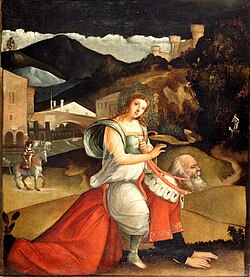
Key Facts
- Etymology: The term comes from the Latin dominator, meaning ruler or lord.
- Professionalism: The term "dominatrix" is most commonly used to describe paid professionals (pro-dommes).
- Diversity of Practice: Activities include physical sensation, verbal humiliation, and task assignment.
- Demographics: Research indicates a significant level of education among professional dominatrices.
- Historical Roots: Elements of erotic discipline have been recorded as far back as the 1590s.
Terminology and Etymology
The word dominatrix is the feminine form of the Latin dominator. Originally used in a non-sexual context to denote a ruler, its use in English dates back to at least 1561. However, its modern application within the context of sadomasochism emerged much later, with recorded use dating to 1961. The term gained traction through pulp literature, such as Bruce Roger's The Bizarre Lovemakers, and later through the 1968 Myron Kosloff title Dominatrix.
While the specific term "dominatrix" was not used in the 19th century, the dynamics of female dominance and male submission were famously explored in literature. A classic example is the 1870 novella Venus in Furs by Austrian writer Leopold von Sacher-Masoch. The term masochism was eventually derived from the author's name by Richard von Krafft-Ebing in his 1886 study, Psychopathia Sexualis.
A Historical Perspective
The profession appears to have evolved from specializations within brothels into a distinct craft. Historical records show that flagellation in erotic settings was documented as early as the 1590s. By the 18th century, "Birch Disciplinarians" were active; for instance, a 1761 publication titled Fashionable Lectures listed 57 women, including actresses and courtesans, who provided birch discipline fantasies for a fee.

The 20th Century and the "Bizarre Style"
The modern aesthetic associated with the role—including leather catsuits, latex, and whips—emerged in the 20th century, driven by commercial fetish photography. During the mid-20th century, the profession operated largely underground. Notable figures emerged in major cities: Miss Doreen in London, Anne Laurence in New York, and Monique Von Cleef, who gained national attention following a police raid in 1965. Von Cleef later established the "House of Pain" in The Hague, a city that became a global hub for the profession.

Professionalism and Demographics
Modern dominatrices come from diverse backgrounds, and many are highly educated. A 2012 study of US-based dominatrices found that 39% of the participants had completed graduate-level training. Statistics regarding the BDSM subculture show that women make up approximately 30% of participants, with about a quarter of those women operating professionally.
Notable Figures
One of the most famous "lifestyle" dominatrices is Catherine Robbe-Grillet. A French writer and actress, she is known for practicing dominance for personal pleasure rather than financial gain, stating that payment would shift the power dynamic. She identifies as a "pro-sex feminist," supporting the right of individuals to choose their work, including sex work.
Imagery and Fashion
Fashion plays a significant role in the visual identity of the dominatrix. The catsuit, particularly the black leather version, became a staple of fetish culture in the 1950s. This style eventually permeated mainstream culture through 1960s television characters and comic book icons like Catwoman. The garment serves a dual purpose: it symbolizes independence and strength while playing into the BDSM practice of tease and denial—the act of providing visual stimulation while obstructing physical access.



Summary of Key Data
| Category | Detail/Statistic |
|---|---|
| Earliest English Use | 1561 (Non-sexual) |
| Modern Usage Origin | 1961 |
| Graduate Training (US) | 39% of studied sample |
| Female Participation in BDSM | Approximately 30% |
| Professional Female Ratio | ~25% of women in BDSM |
Frequently Asked Questions
What is the difference between a dominatrix and a "domme"?
A dominatrix is a woman who takes the dominant role in BDSM. The term "domme" is often used as a shorthand or informal version of the same concept.
Is a dominatrix always a professional?
While the term "dominatrix" is frequently used to describe paid professionals (pro-dommes), the concept of female dominance exists within non-professional, private BDSM relationships as well.
What activities do dominatrices perform?
Activities vary widely and are not limited to physical pain. They can include verbal humiliation, the assignment of tasks, servitude, and various other forms of psychological or physical domination.
Does a dominatrix have to be of a certain sexual orientation?
No. A dominatrix can be of any sexual orientation, and her orientation does not necessarily limit the genders of the submissive partners she works with.
What is "femdom"?
Femdom is a shorthand term for "female dominance," referring to the practice of BDSM where the woman takes the dominant role.