Dolma: The Art and History of Stuffed Vegetables
From the bustling markets of Istanbul to the dinner tables of the Caucasus, dolma is more than just a dish; it is a culinary tradition that spans centuries and borders. At its simplest, dolma refers to vegetables, leaves, or fruits that have been hollowed out and filled with a savory mixture, typically consisting of minced meat and rice. Whether served as a refreshing cold appetizer or a hearty hot main course, this versatile dish represents a shared heritage across the Mediterranean and Middle East.
The term itself is rooted in the Ottoman Turkish word dolma, which literally means "stuffed" or "filled." This definition was recorded as early as 1680 in the Thesaurus Linguarum Orientalium. By the late 19th century, English lexicons described it as the act of filling meat, fruit, or vegetables with forcemeat or rice.
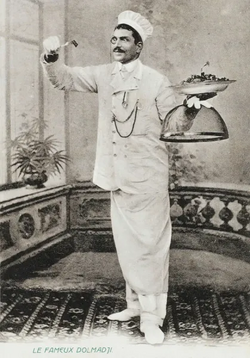
Key Facts
- Core Ingredients: Traditionally made with minced meat and rice.
- Versatility: Can be served hot, cold, or at room temperature.
- Cultural Status: Recognized by UNESCO as an Intangible Cultural Heritage of Azerbaijan.
- Global Reach: Influenced cuisines from the Balkans to Sweden.
- Variety: Includes stuffed vine leaves, peppers, zucchini, onions, and even fruits.
The Evolution of Ottoman Stuffed Dishes
Dolma reached its peak of diversity within the Ottoman Empire. In the 15th century, the practice was relatively simple, focusing primarily on stuffed onions and apples. However, over the following centuries, the repertoire expanded to include a vast array of vegetables and leaves. By the late 18th century, meatless and dairyless versions became mainstream, catering to different dietary needs and preferences.
The popularity of these dishes was so immense that by the 17th century, Istanbul boasted approximately 50 specialized cookshops known as dolmacı, which focused exclusively on the art of stuffing vegetables.
Global Influence and the Swedish Connection
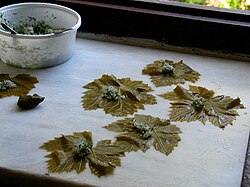
The reach of Ottoman culinary influence extended surprisingly far north. Following the Battle of Poltava in 1709, King Charles XII of Sweden spent several years in exile within the Ottoman Empire. When he returned to Sweden in 1715, he brought with him a fondness for stuffed dishes and a retinue of Turkish chefs. This led to the creation of kåldomar (Swedish stuffed cabbage rolls). Swedish chefs adapted the recipe to local tastes, often adding ljus sirap (a traditional syrup) and serving the dish with lingonberries.
Varieties and Preparations
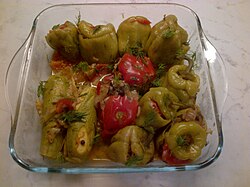
While the combination of meat and rice is standard, the "vessel" for the stuffing varies by region and season. The most iconic version is the stuffed vine leaf, but the tradition extends to many other ingredients.
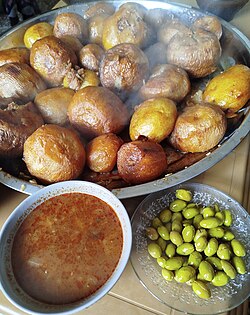
- Vegetables: Peppers, zucchini, tomatoes, eggplants, and turnips (such as the Palestinian lift mahshi).
- Leaves: Cabbage and grape leaves are the most common.
- Seafood and Offal: Some regional variations utilize stuffed sardines or specialized offal, such as the Diyarbakır dalak dolması (stuffed spleen).
- Fruits: Certain traditions include stuffing melons or other fruits for a sweet-and-savory contrast.
Serving Styles
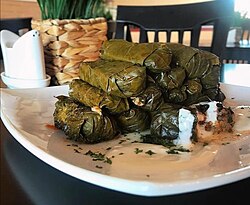
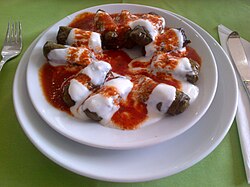
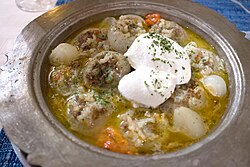
Dolma is highly adaptable in its presentation. Many varieties are served with a side of yogurt to balance the richness of the filling, particularly when using minced lamb or beef. Depending on the filling and the vegetable used, it can function as a light meze (appetizer) or a substantial main meal.
Summary of Dolma Characteristics
| Feature | Details |
|---|---|
| Primary Cuisine | Ottoman, Turkish, Azerbaijani, Armenian, Middle Eastern |
| Common Fillings | Minced meat, rice, herbs, spices |
| Common Vessels | Vine leaves, cabbage, peppers, zucchini, eggplant, onions |
| Temperature | Hot, Cold, or Room Temperature |
| Cultural Recognition | UNESCO Intangible Cultural Heritage (Azerbaijan) |
Frequently Asked Questions
What is the difference between dolma and sarma?
While often used interchangeably, dolma generally refers to "stuffed" vegetables (like peppers or zucchini), whereas sarma refers to "rolled" leaves (like cabbage or vine leaves).
Is dolma only a Turkish dish?
No. While it is a cornerstone of Ottoman and Turkish cuisine, it is deeply embedded in the cultures of Azerbaijan, Armenia, the Balkans, and various Middle Eastern countries, including Palestine.
Can dolma be vegetarian?
Yes. Meatless and dairyless varieties became mainstream by the late 18th century and remain popular today, often relying on olive oil, rice, and aromatic herbs.
How is dolma served?
It can be served as an appetizer or a main dish. It is frequently accompanied by yogurt, lemon wedges, or, in the case of Swedish kåldomar, lingonberries and syrup.
Why is dolma recognized by UNESCO?
The tradition of making and sharing dolma is recognized as a marker of cultural identity, specifically within the context of Azerbaijan's intangible cultural heritage.