Diodotus Tryphon: The Usurper King of the Seleucid Empire
In the turbulent history of the Seleucid Empire, few figures are as anomalous as Diodotus Tryphon. Known by the nickname "The Magnificent," Tryphon was not born into the royal bloodline, yet he achieved what no other rebel in the empire's history could: gaining control over the entire kingdom. His rise from a military official to a self-proclaimed autocrat marks a unique chapter of political instability and ambition in the ancient Levant.
Key Facts
- Reign: 142–138 BC as King; active as regent from 144 BC.
- Origin: Born in Casiana (modern-day Şanlıurfa, Turkey).
- Unique Status: The only non-dynastic rebel to control the whole Seleucid Empire.
- Royal Title: Adopted the name Tryphon Autocrator, emphasizing self-rule.
- Downfall: Defeated and killed by Antiochus VII Sidetes in 138 BC.
The Rise of a General
Diodotus began his career as a general under King Alexander I Balas. During the civil war between Alexander and Demetrius II Nicator, Diodotus found himself in command of Antioch. When Ptolemy VI of Egypt invaded Syria in 145 BC, Diodotus and a colleague named Hierax surrendered the city to Ptolemy. However, Ptolemy declined the Seleucid throne, leaving the path open for Demetrius II Nicator to secure power.
As Demetrius II began purging former associates of Alexander Balas, Diodotus sensed danger. He fled to an Arab ruler, Zabdiel (or Imalkue), who was caring for the infant son of Alexander Balas. Seizing the opportunity provided by troop discontent, Diodotus declared the child, Antiochus VI Dionysus, as the new king. Because the boy was less than five years old, Diodotus assumed all actual power as his regent.
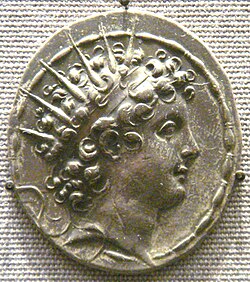
Military Conquest and Territorial Control
Operating from his headquarters in Chalcis ad Belum, Diodotus built a formidable army. He eventually defeated Demetrius II in battle, capturing the strategic cities of Apamea and Antioch between 144 and 143 BC. While Diodotus controlled most of inland Syria, Demetrius maintained a foothold in the coastal cities of Phoenicia and Cilicia, as well as Mesopotamia.
Diplomacy and Betrayal in Judaea
To strengthen his position, Diodotus sought an alliance with the Jews under Jonathan Apphus. He offered honors to Jonathan and appointed his brother, Simon Thassi, as a general. However, this partnership was short-lived. Fearing Jonathan's growing power, Diodotus lured him to Ptolemais in 142 BC, where he was captured and executed despite a ransom payment from Simon.
This betrayal drove Simon Thassi into a close alliance with Demetrius II. In exchange for his support, Demetrius granted the Hasmonean Jewish state extensive freedoms, a pivotal moment that led toward full Jewish independence.
The Transition to Kingship
The political landscape shifted dramatically in late 142 or early 141 BC when the young Antiochus VI Dionysus died. While official accounts suggest a medical operation, many ancient sources claim Diodotus murdered the boy to seize the throne for himself. Having convinced the army to elect him, he abandoned the Seleucid dynasty's traditions.
The Meaning of "Tryphon Autocrator"
Diodotus adopted the royal name Tryphon Autocrator. The name "Tryphon" derived from tryphe, a Hellenistic concept of luxury. While tryphe could imply softness, it was also used to signal a ruler's immense wealth and generosity. The title Autokrator (meaning "ruling by himself") was unique for the period. Historians suggest this title was either an attempt to evoke the authority of Alexander the Great or a way to signal total independence from the Seleucid line.
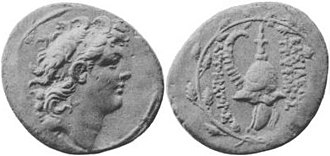
Breaking with Tradition
Tryphon's break from the past was evident in three key areas:
- Iconography: His coins depicted him with a mature, full face and flowing hair, emphasizing luxury, and featured a decorated Boeotian helmet to signal military strength.
- Calendar: He abandoned the Seleucid dating system, starting a new era from the date of his own accession.
- Diplomacy: He attempted to gain Roman recognition by sending a golden statue of Nike to Rome. The Roman Senate, however, accepted the gift as being from the deceased Antiochus VI, effectively ignoring Tryphon's claim to the throne.
The Fall of the Magnificent
Tryphon's period of uncontested rule was brief. Between 139 and 138 BC, he was the sole ruler of the empire after Demetrius II was captured by the Parthians in the east. However, this vacuum was quickly filled by Demetrius' brother, Antiochus VII Sidetes.
Antiochus VII landed in Phoenicia, married Cleopatra Thea (the wife of Demetrius) to legitimize his rule, and won over Simon Thassi. After defeating Tryphon in battle and recapturing Antioch in 138 BC, Antiochus VII pursued the usurper to the fortress-city of Dor and finally to Apamea. Diodotus Tryphon died during the siege of Apamea in late 138 or early 137 BC, either by execution or suicide.
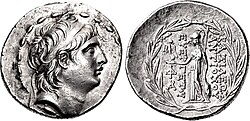
| Phase | Role | Key Action | Period |
|---|---|---|---|
| Early Career | General | Served Alexander I Balas; surrendered Antioch to Ptolemy VI | c. 145 BC |
| Regency | Regent | Installed Antiochus VI Dionysus as puppet king | 144–142 BC |
| Kingship | Basileus | Declared himself Tryphon Autocrator; broke with Seleucid tradition | 142–138 BC |
| Downfall | Defeated Rebel | Besieged at Apamea by Antiochus VII Sidetes | 138 BC |
Frequently Asked Questions
Why was Diodotus Tryphon unique among Seleucid rebels?
Unlike other rebels such as Molon or Timarchus, who were defeated quickly, Tryphon successfully gained control over the entire Seleucid kingdom and maintained power for over seven years.
What did the title "Autokrator" signify?
The term literally means "ruling by himself." It was used by Tryphon to emphasize his independence from the Seleucid dynasty and possibly to evoke the military authority of early Macedonian leaders.
How did Tryphon change the Seleucid dating system?
He stopped using the continuous count of years from the rise of Seleucus I and instead instituted a new calendar that began with the year of his own accession to the throne.
What was the outcome of Tryphon's relationship with the Jews?
Initially an alliance, the relationship ended in betrayal when Tryphon executed Jonathan Apphus. This led Simon Thassi to align with Demetrius II, which helped the Hasmonean state achieve full independence.
How did Diodotus Tryphon die?
He died in late 138 or early 137 BC during a siege at Apamea. Historical accounts differ on whether he was captured and executed by Antiochus VII Sidetes or whether he committed suicide.