Dinosaurs: From Triassic Giants to Modern Birds
Dinosaurs are one of the most successful groups of animals to ever walk the Earth. Spanning a temporal range from the Late Triassic to the present day—approximately 233.23 million years ago to 0 mya—these creatures dominated terrestrial ecosystems for millions of years. While many envision them as extinct monsters, phylogenetic taxonomy reveals a surprising truth: birds are avian dinosaurs, meaning the group Dinosauria still exists today with over 11,000 extant species.
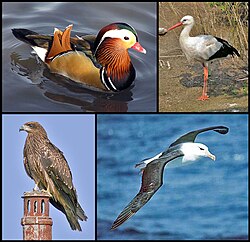
Key Facts
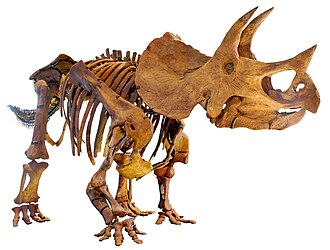
- Temporal Range: Late Triassic to the present (233.23 million years ago to today).
- Classification: Part of the Archosauria clade, divided primarily into Ornithischia and Saurischia.
- Survival: Only the avian lineage (birds) survived the mass extinction event.
- Anatomy: Distinguished by an erect limb posture and specific bone proportions in the arm and hip.
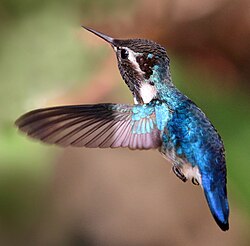
- Diversity: Ranged from the tiny bee hummingbird to massive sauropods like Argentinosaurus.
Defining the Dinosaur
To scientists, a dinosaur is not just any prehistoric reptile. They are defined by specific anatomical features that separated them from other archosaurs (the broader group of croc-line and bird-line reptiles). One primary marker is the radius (lower arm bone), which is shorter than 80% of the length of the humerus. Additionally, the fourth trochanter of the femur is asymmetrical, with the lower margin forming a steep angle to the shaft.
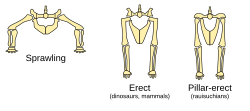
Perhaps the most significant distinction is their posture. Unlike typical reptiles that have a sprawling gait, dinosaurs evolved an erect posture, placing their limbs directly beneath their bodies. This efficiency in movement allowed them to reach massive sizes and dominate various environments.
The History of Paleontology
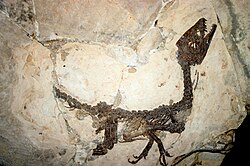
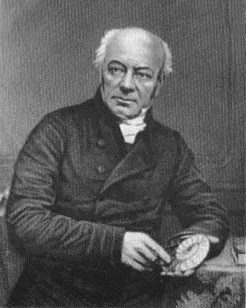
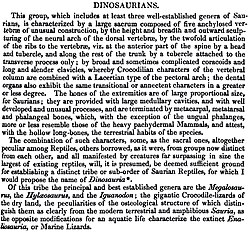
The formal study of dinosaurs began in the 19th century. While early researchers like William Buckland contributed to the field, it was Sir Richard Owen who coined the term "Dinosauria" in 1842 during a presentation to the British Association for the Advancement of Science.
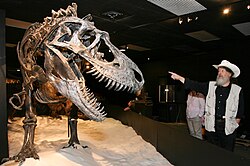
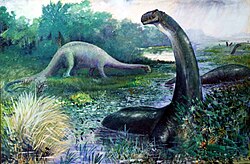
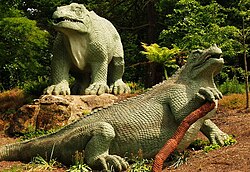
Early interpretations of dinosaurs often portrayed them as slow, aquatic, tail-dragging lizards. However, a "Dinosaur Renaissance" led by paleontologists like Robert T. Bakker shifted this perspective. New evidence suggested that many dinosaurs were active, social, and potentially warm-blooded (endothermic) or mesothermic.
Classification and Evolution
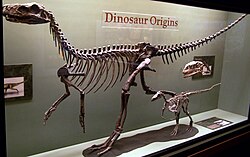
Dinosaurs are broadly categorized into two major groups based on their hip structure: Ornithischia (bird-hipped) and Saurischia (lizard-hipped). Ironically, birds evolved from the lizard-hipped Saurischians, specifically the Theropoda.
| Clade | Key Characteristics | Examples |
|---|---|---|
| Ornithischia | Bird-hipped; mostly herbivorous | Hadrosaurs, Triceratops |
| Sauropodomorpha | Lizard-hipped; long necks, massive size | Argentinosaurus, Brachiosaurus |
| Theropoda | Lizard-hipped; mostly carnivorous, bipedal | Tyrannosaurids, Birds |
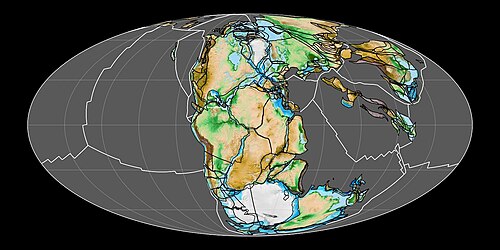
During the early Mesozoic, dinosaurs lived on the supercontinent Pangaea, which allowed them to spread across the globe before the landmasses drifted apart.
Paleobiology: Size, Behavior, and Physiology
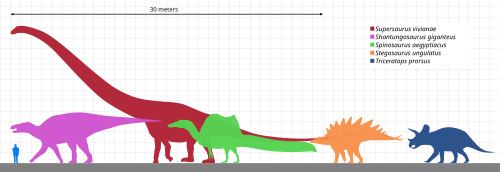
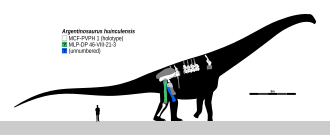
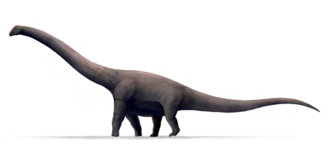
The scale of dinosaurs is legendary. On one end of the spectrum is the bee hummingbird, the smallest known dinosaur. On the other are the titanosaurs, such as Argentinosaurus or the potentially larger Bruhathkayosaurus, which represent the largest terrestrial animals to ever exist.
Behavior and Communication
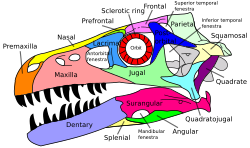
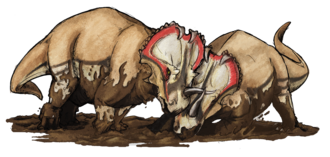
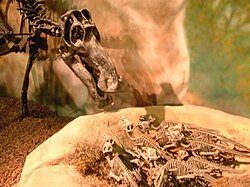
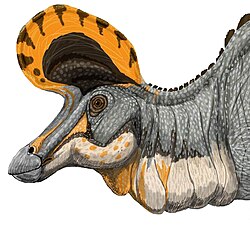
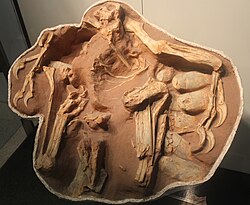
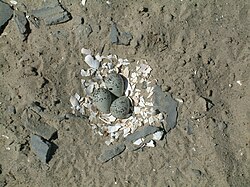
Evidence from the fossil record suggests complex social behaviors. Nesting grounds of Maiasaura peeblesorum indicate parental care, while other fossils, such as the oviraptorid Citipati, show dinosaurs brooding over their eggs. Communication likely involved visual displays—such as the elaborate crests of Lambeosaurus—and vocalizations facilitated by resonating chambers in the skull.
Physiology and the Link to Birds
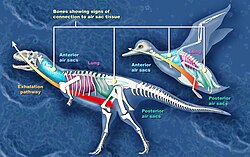
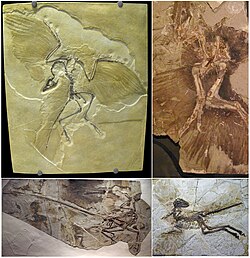
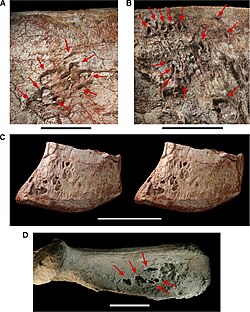
The transition from non-avian dinosaurs to birds is marked by the appearance of feathers and air sacs. Many theropods possessed proto-feathers for insulation or display. Furthermore, the discovery of pneumatic bones (bones containing air sacs) in dinosaurs mirrors the respiratory system of modern birds, allowing for more efficient oxygen intake.
The Great Extinction
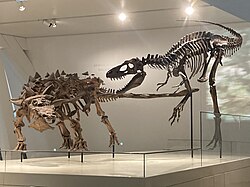
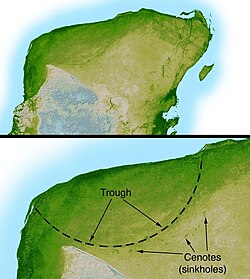
The reign of the non-avian dinosaurs ended approximately 66 million years ago at the Cretaceous-Paleogene (K-Pg) boundary. The leading theory involves a massive asteroid impact at the Chicxulub Crater in the Yucatán Peninsula, which triggered global climate collapse.

Other contributing factors may have included the Deccan Traps, a series of massive volcanic eruptions in India that released vast amounts of greenhouse gases, stressing ecosystems prior to the final impact.
Frequently Asked Questions
Are birds actually dinosaurs?
Yes. In modern phylogenetic taxonomy, birds are classified as avian dinosaurs within the theropod lineage of the Saurischia clade.
What was the largest dinosaur to ever live?
While Argentinosaurus is widely cited, Bruhathkayosaurus is considered by some to be potentially the largest terrestrial animal to ever exist.
Did all dinosaurs have feathers?
No. While many theropods had feathers or proto-feathers, other groups had scales. For example, skin impressions from Edmontosaurus show evidence of scaly skin.
What caused the dinosaur extinction?
The primary cause is attributed to an asteroid impact at the Chicxulub Crater, likely compounded by volcanic activity from the Deccan Traps.
How do scientists know about dinosaur behavior?
Behavior is inferred from fossil evidence, such as nesting sites (indicating parental care), bone injuries (indicating combat), and skull anatomy (indicating vocalization or visual display).