Understanding Digital Rights Management (DRM): Technology, Law, and Controversy
In the modern digital era, the way we consume music, movies, software, and even coffee is governed by invisible rules. At the heart of these rules is Digital Rights Management (DRM), a suite of technologies designed to manage legal access to digital content. While intended to protect the interests of creators, DRM has become one of the most debated topics in technology, pitting intellectual property rights against consumer freedom.
DRM functions through various technological protection measures, such as access control technologies, which can restrict how proprietary hardware and copyrighted works are used. By governing the use, modification, and distribution of digital assets, DRM ensures that content is consumed only under specific, pre-defined conditions.
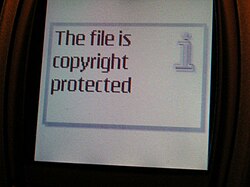
How DRM Works: The Core Technologies
DRM is not a single tool but a collection of methods used to enforce licensing agreements and protect data. These technologies can be categorized into several functional approaches:
Verification and Access Control
- Product Keys and Activation Limits: Requiring unique codes to unlock software or limiting the number of devices that can run a specific program.
- Persistent Online DRM: Requiring a constant internet connection to verify that a user has the right to access content.
- Encryption: Using mathematical algorithms to scramble data so that only authorized users with the correct "key" can view or use it.
Usage Restrictions
- Copy Restriction: Preventing users from making duplicates of digital files.
- Runtime Restrictions: Controlling how and when a piece of software can be executed.
- Regional Lockout: Restricting content to specific geographic locations.
Tracking and Identification
- Watermarks: Embedding hidden identifiers within media to track the source of a file.
- Metadata: Using embedded data to manage information about the content and its usage rights.
The Expansion into Hardware
While often associated with software and media, industrial users have expanded DRM into physical hardware. This practice allows companies to control how their products are used, maintained, or repaired. Notable examples include:
- Keurig coffeemakers: Controlling the use of specific coffee pods.
- Philips light bulbs: Managing smart lighting ecosystems.
- Mobile device power chargers: Restricting compatibility through proprietary technology.
- John Deere tractors: Implementing systems that can prevent farmers from performing their own repairs.
The Legal Landscape
The implementation of DRM is backed by significant legal frameworks worldwide. In many jurisdictions, it is a criminal offense to circumvent DRM, to communicate how to bypass it, or to create and distribute tools designed for that purpose.
Key legal frameworks include:
- United States: The Digital Millennium Copyright Act (DMCA).
- European Union: The Information Society Directive (implemented in France via the DADVSI law).
However, laws are not absolute. In some regions, such as Australia, DRM may be legally circumvented under specific exceptions, including:
- Obtaining permission from the rightsholder.
- Enabling interoperability with copyrighted software.
- Conducting encryption research or security testing.
- National security or law enforcement requirements.
- Library acquisition decisions.
The Great Debate: Arguments For and Against
The existence of DRM has created a deep divide between copyright holders and consumer advocates.
The Case for DRM
Copyright holders argue that DRM is as essential to the digital world as physical locks are to a home. They contend that these technologies are necessary to:
- Protect intellectual property from theft and unauthorized distribution.
- Maintain artistic control over how a work is presented.
- Support modern business models, such as digital rentals.
The Case Against DRM (Shortcomings)
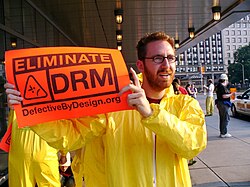
Critics and opposition groups, such as Defective by Design, point to several significant drawbacks:
- Usability and Performance: DRM can cause software to run slower or create technical glitches for legitimate users.
- Availability and Obsolescence: If a company shuts down its verification servers, users may lose access to content they "own."
- The "Analog Hole": The fact that content can still be captured via analog outputs (like recording a screen) makes DRM imperfect.
- Consumer Rights: DRM often restricts the "right to repair" and limits the ownership rights of the consumer.

Summary of DRM Overview
| Category | Key Elements | Primary Goal/Impact |
|---|---|---|
| Core Methods | Encryption, Product Keys, Activation Limits | Enforcing licensing and preventing unauthorized copying. |
| Hardware Use | Tractors, Coffee Makers, Chargers | Controlling repairs and proprietary ecosystem use. |
| Legal Status | DMCA (US), EU Directives | Criminalizing the circumvention of protection measures. |
| Main Criticism | Obsolescence, Performance, Ownership | Limiting consumer rights and software usability. |
Frequently Asked Questions
What is the main purpose of Digital Rights Management?
The primary purpose of DRM is to manage and control legal access to digital content, ensuring that copyright holders can enforce their licensing agreements and protect their intellectual property.
Can I be arrested for bypassing DRM?
In many countries, such as the United States under the DMCA, circumventing DRM or distributing tools to do so is a criminal offense. However, certain legal exceptions may apply for research, security testing, or interoperability.
How does DRM affect hardware like tractors or coffee makers?
In hardware, DRM is used to restrict how a product is used or repaired. For example, some tractor companies use DRM to prevent farmers from performing their own maintenance, requiring them to use authorized services instead.
What are "DRM-free" works?
DRM-free works are digital assets that are provided without technological protection measures, allowing users to move, copy, and use the files as they wish without needing constant authorization or specific software.
Does DRM always prevent piracy?
No. DRM is not foolproof. Critics often point to the "analog hole"—where content can be recorded via an analog signal—and the fact that many DRM systems are eventually "cracked" by hackers.