Digital Media Players: Transforming Home Entertainment and Streaming
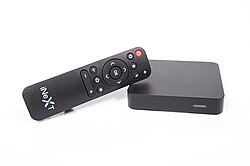
In the modern era of home entertainment, the way we consume content has shifted from traditional broadcast signals to a vast landscape of digital files and online streams. At the heart of this revolution is the digital media player, a versatile consumer electronics device designed for the storage, playback, and viewing of digital media content. Whether you call it a streaming box, a streaming device, or a media streamer, these tools are essential for integrating diverse digital libraries into a seamless home cinema configuration.
Typically attached to a television or an AV receiver, these devices bridge the gap between massive digital collections and the big screen. As internet speeds have increased and mass storage has become more affordable, the need for a dedicated, network-connected device to manage these files has become a cornerstone of the modern living room.
Key Facts
- Functionality: Designed for the storage, playback, and viewing of digital media like movies, music, and photos.
- Connectivity: Often integrated into home cinema setups via televisions or AV receivers.
- Streaming Integration: Major services like Netflix and YouTube are frequently available as plug-ins or integrated menu options.
- Evolution: Developed from early audio-only players in the early 2000s to high-definition video streamers today.
- Market Impact: Driving the "cord-cutting" trend where consumers move from cable/satellite to Over-the-Top (OTT) services.
The Evolution of Media Streaming
The journey of the digital media player began in the early 2000s. By November 2000, audio-only digital media players were already being demonstrated. Shortly after, companies like Motorola developed the SimpleFi, which utilized the wireless HomeRF networking standard. Other early pioneers included the Turtle Beach AudioTron and the Rio Receiver.
As technology progressed, video capabilities were introduced. Early research presented in 2002 detailed devices equipped with network interface cards, media processors for decoding, and analog video encoders to allow playback on standard televisions. Intel also contributed significantly to this evolution, introducing concepts based on the Xscale PXA210 processor and utilizing the Linux embedded operating system alongside UPnP (Universal Plug and Play) technology.
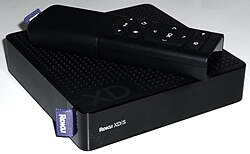
The integration of these players into broader ecosystems has been rapid. For instance, the Xbox 360 gaming console was among the first major gaming devices to integrate digital media player functionality. This era also saw the rise of the Windows Media Center Extender, which allowed users to access a PC's media capabilities remotely through a home network.
Technical Capabilities and Formats
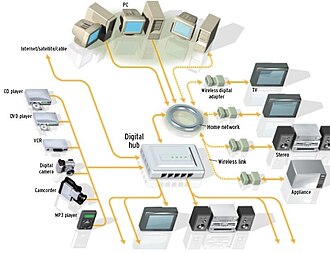
Modern digital media players are highly sophisticated, capable of handling a wide array of file formats and resolutions. They serve as central hubs for various types of media, often utilizing technologies like DLNA (Digital Living Network Alliance) to stream content over wired or wireless networks.
Supported Media Formats
To ensure compatibility with diverse libraries, these devices typically support:
- Video: H.264 (SD and HD), MPEG-4 Part 2, MPEG-1, MPEG-2 (.mpg, .TS), VOB, and ISO images.
- Audio: PCM, MP3, AC3, FLAC, and Ogg.
- Images: JPEG and PNG.
Common Features
Beyond simple playback, many devices offer advanced features such as:
- Streaming movies, music, and photos over local networks.
- Viewing digital photo slideshows.
- Playing video games.
![A wireless media extender from Arctic for music streaming and multi-room entertainment[22]](/images/d4/2f/d42f30e541b37f50daf18768e5188da37304e36438790f70fae96e5ed66c27d4.jpg)
Market Impact and the Rise of OTT Services
The convergence of high-speed broadband and digital content has created a significant shift in the television industry. This has led to the rise of Over-the-Top (OTT) services—content delivered via the internet that bypasses traditional cable or satellite providers. This trend, often referred to as "cord-cutting," has seen millions of households opt for streaming-only setups.
The impact of this shift is measurable. For example, as of 2011, Netflix had become the largest subscription video service in the U.S., at times utilizing up to 20% of U.S. bandwidth during peak hours. While traditional providers are seeing a decline in some areas, they are increasingly pivoting to offer broadband internet to remain relevant in a connected ecosystem.
| Era/Category | Primary Focus | Key Technologies/Examples |
|---|---|---|
| Early 2000s | Audio-only streaming | SimpleFi, Rio Receiver, HomeRF |
| Mid 2000s | Video & Network Integration | Intel Xscale, Windows Media Center, Xbox 360 |
| Modern Era | High-Definition OTT Streaming | Netflix, YouTube, Roku, Apple TV |
| Connectivity | Networked Media Sharing | DLNA, 720p/1080p, Wireless Adapters |
Legal Challenges and Copyright
The rise of "fully-loaded" set-top boxes—devices pre-configured to access content—has led to significant legal scrutiny. Authorities in the UK, Canada, and Mexico have taken action against retailers and devices that facilitate the streaming of pirated or unauthorized content. Courts have ruled that distributing devices specifically designed to circumvent technological protection measures violates exclusive broadcasting rights.
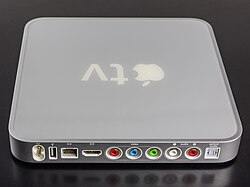
While hardware manufacturers like Roku have faced legal challenges regarding unauthorized third-party apps, they often maintain that they cooperate with rights holders to remove infringing content from their official platforms.
Frequently Asked Questions
What is the difference between a digital media player and a smart TV?
A digital media player is an external device (like a streaming box) that connects to a television to provide streaming capabilities. A smart TV has these capabilities built directly into the television hardware.
What does "cord-cutting" mean?
Cord-cutting refers to the consumer trend of canceling traditional cable, satellite, or telephone video subscriptions in favor of internet-based Over-the-Top (OTT) streaming services.
Can digital media players play high-definition video?
Yes, modern generations of digital media players support high-resolution video playback, including 720p and 1080p HD formats.
What is DLNA?
DLNA (Digital Living Network Alliance) is a set of interoperability standards that allows different networked devices, such as media players and servers, to share digital media like music and video.
Why are some media players subject to legal controversies?
Controversies typically arise when devices are marketed as "fully-loaded" with software that allows users to access copyrighted content through unauthorized or pirated streams.