Detmold: The Historic Heart of Lippe
Nestled in the state of North Rhine-Westphalia, Detmold is a city that seamlessly blends ancient history with modern administrative importance. With a population of 74,278 as of late 2024, it serves as the administrative center for both the district of Lippe and the Regierungsbezirk Detmold. Once the capital of the Principality of Lippe, the city remains a cultural beacon in Germany, known for its architectural heritage and academic institutions.
Key Facts
- Location: North Rhine-Westphalia, Germany.
- Population: 74,278 (as of December 31, 2024).
- Historical Status: Capital of the Principality of Lippe (1468–1918) and the Free State of Lippe (1919–1947).
- Key Landmark: The Hermannsdenkmal, commemorating the Battle of the Teutoburg Forest.
- Administrative Role: Seat of the Lippe district and the central administration of the Church of Lippe.
A Journey Through Time
Ancient Roots and the Iron Age
The region surrounding Detmold has been significant since prehistoric times. Approximately 5 kilometers southwest of the city lies the Grotenburg hill, featuring a circular rampart. This area is home to the Hermannsdenkmal (Arminius Monument), which commemorates the Battle of the Teutoburg Forest in 9 AD. In this pivotal encounter, Germanic tribes led by Hermann (Arminius) defeated the Roman legions commanded by Publius Quinctilius Varus.
Medieval Development and Princely Rule
Detmold first appears in historical records as "Theotmalli" in 783, coinciding with a battle between the Saxons and the forces of Charlemagne during the Saxon Wars. By 1263, Bernard III of Lippe fortified the settlement with stone walls and granted it a municipal charter, strategically placing it at the crossing of the trade route between Paderborn and Lemgo over the Werre River.
The city's economic growth was accelerated by the granting of market rights in 1265. Despite facing setbacks, including a conflict with Soest in 1447 and a devastating fire in 1547, Detmold continued to evolve. In 1550, it became the permanent residence of Count Simon III of Lippe. The ruling family was elevated to princes in 1789, and the city served as the capital of the Principality of Lippe until the abolition of princely states following World War I in 1918.
The Modern Era
The 19th and 20th centuries saw rapid modernization and growth. Oil-fired street lighting was introduced in 1809, and by 1900, the population had grown to 12,000. Between 1919 and 1947, Detmold functioned as the capital of the Free State of Lippe before being incorporated into North Rhine-Westphalia. A significant administrative reform in 1970 expanded the city by incorporating 25 nearby villages.
Cultural and Architectural Highlights
Detmold is a city of museums, music, and nature. The Fürstliches Residenzschloß, a stunning Renaissance castle, sits at the center of the town park and is currently owned by Stephan, Prince of Lippe.
For nature lovers and history enthusiasts, the city offers the Externsteine rock formation and the LWL-Freilichtmuseum (open-air museum). The city is also a hub for the arts, hosting the Hochschule für Musik Detmold (Music Academy) and the Landestheater Detmold.
| Category | Details |
|---|---|
| Total Area | 129.39 km² |
| Elevation | 134 m |
| Population Density | 574.06/km² |
| Postal Codes | 32701–32760 |
| Vehicle Registration | LIP |
Notable Figures
Detmold has been the birthplace or home to many influential individuals. Among the most prominent is Frank-Walter Steinmeier, the current President of Germany. The city also counts the scientist and founder of Reform Judaism, Leopold Zunz, among its natives.
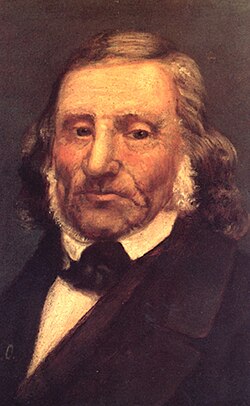
Other notable natives include the poet Ferdinand Freiligrath and the botanist Gustav Wallis.
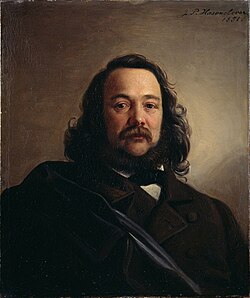
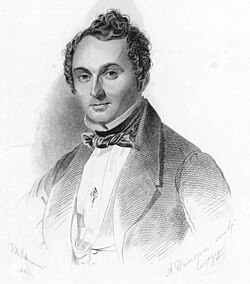
The city also attracted legendary residents, such as the composer Johannes Brahms, who spent winters there between 1857 and 1860, and the composer Albert Lortzing.
Transport and Accessibility
While Detmold does not have its own airport, it is well-connected to several regional hubs. The closest is Paderborn Lippstadt Airport (35 km), followed by Münster Osnabrück and Hannover airports, both 116 km away. For international travel, Düsseldorf Airport is located 194 km to the southwest.
Frequently Asked Questions
What is the significance of the Hermannsdenkmal?
The Hermannsdenkmal is a monument dedicated to Hermann (Arminius), who led Germanic tribes to victory against Roman legions in the Battle of the Teutoburg Forest in 9 AD.
Who is the current political leader of Detmold?
The Mayor for the 2025–2030 term is Frank Hilker of the SPD.
What are the main educational institutions in Detmold?
Detmold is home to the Hochschule für Musik Detmold and the Technische Hochschule OWL, as well as historic schools like the Gymnasium Leopoldinum, founded in 1602.
What is the "Detmold child"?
The "Detmold child" is a 6,500-year-old child mummy discovered in Peru, named after the city of Detmold.
Which famous German president was born in Detmold?
Frank-Walter Steinmeier, the current President of Germany, was born in Detmold.