Deputy Lieutenants: Roles and Responsibilities in the United Kingdom
In the United Kingdom, a Deputy Lieutenant is a Crown appointment serving as one of several deputies to the lord-lieutenant within a specific lieutenancy area. These areas encompass English ceremonial counties, Welsh preserved counties, Scottish lieutenancy areas, and Northern Irish county boroughs or counties. Historically, this system extended to all Irish counties prior to the establishment of the Irish Free State.
The role is primarily honorary and carries no remuneration. Those appointed may use the postnominal letters DL after their surname and any other honors, such as "John Brown, CBE, DL".
Key Facts
- Appointment: Nominated by the lord-lieutenant and commissioned via a government minister by command of the British monarch.
- Eligibility: Appointees must live within their lieutenancy area or within seven miles (11 km) of its boundary.
- Retirement: All Deputy Lieutenants are legally required to retire at age 75.
- Purpose: To assist the lord-lieutenant in official duties and represent them at local ceremonies.
- Nature: An appointment of the Sovereign's appointee, rather than a direct appointment by the Sovereign.
The Appointment Process
Under the Lieutenancies Act 1997, deputy lieutenants are nominated by the lord-lieutenant to provide essential support in their duties. The formal commission of appointment is granted by the appropriate government minister. In England and Wales, the Lord Chancellor has been the responsible minister since November 2001, though exceptions exist for the Chancellor of the Duchy of Lancaster. In Scotland, this responsibility has rested with the Scottish Ministers since July 1999.
Official commissions are published as State Appointments in either the London Gazette or the Edinburgh Gazette, detailing the names of the appointees and the dates of their commissions.
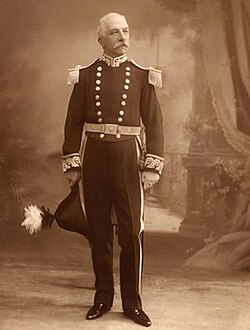
Duties and Qualifications
The number of deputy lieutenants in a county is proportional to its population; while some counties had as few as three decades ago, many now have more than a dozen. Candidates are typically individuals who have demonstrated a history of public service or have significantly served their local community.
Their primary responsibility is to represent the lord-lieutenant during their absence. This includes attending official events and local ceremonies, such as the opening of exhibitions or the induction of vicars as requested by the Church of England.

The Vice Lord-Lieutenant
From among the serving deputy lieutenants, one individual is appointed as the Vice Lord-Lieutenant. This person stands in for the lord-lieutenant in most circumstances where the latter cannot be present. This specific appointment usually expires when the lord-lieutenant who made the selection retires, at which point the individual typically reverts to the status of a regular deputy lieutenant.
Summary of the Deputy Lieutenant Role
| Feature | Details |
|---|---|
| Remuneration | None (Honorary position) |
| Mandatory Retirement Age | 75 |
| Residency Requirement | Within the area or within 7 miles (11 km) of the boundary |
| Postnominals | DL |
| Governing Legislation | Lieutenancies Act 1997 |
Frequently Asked Questions
Do Deputy Lieutenants get paid for their service?
No, the position of Deputy Lieutenant is honorary and does not receive any remuneration.
Who appoints a Deputy Lieutenant?
They are nominated by the lord-lieutenant and receive their commission via a government minister (such as the Lord Chancellor in England and Wales or the Scottish Ministers in Scotland) by command of the British monarch.
What happens to a Deputy Lieutenant when a new lord-lieutenant is appointed?
Their appointments do not terminate when there is a change of lord-lieutenant; they continue in their role until they reach the mandatory retirement age.
What is the difference between a Deputy Lieutenant and a Vice Lord-Lieutenant?
While all are deputies, the Vice Lord-Lieutenant is a single individual chosen from the deputy lieutenants to act as the primary substitute for the lord-lieutenant.
Where can one find the official record of these appointments?
Deputy lieutenant commissions are published as State Appointments in the London Gazette or the Edinburgh Gazette.