Department of Conservation: Protecting New Zealand's Natural Heritage
The Department of Conservation (DOC) serves as the primary guardian of New Zealand's diverse landscapes and biological treasures. Established to integrate various environmental functions into a single entity, the department manages a vast array of ecosystems, ensuring that the country's unique natural beauty is preserved for future generations while remaining accessible for public enjoyment.
Origins and Legal Framework
The department was formed on 1 April 1987, following the passage of the Conservation Act 1987. This legislation was part of a broader reform of the public service, designed to merge the functions of the Wildlife Service, the Forest Service, and the Department of Lands and Survey. The Act not only created the department but also defined the majority of its ongoing roles and responsibilities.
As a result of this legislation, all Crown land designated for protection and conservation in New Zealand came under DOC's management. This encompasses approximately 30% of the nation's total land area, totaling about 8 million hectares.
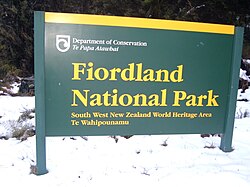
Scope of Management and Responsibilities
The land managed by DOC is incredibly diverse, spanning native forests, alpine areas, wetlands, dunelands, estuaries, lakes, and islands. Its jurisdiction includes maritime parks, marine reserves, river margins, and nearly 4,000 individual reserves. Every piece of land under its control is protected for specific reasons, including ecological, scientific, scenic, historic, cultural, or recreational value.
Recreation and Infrastructure
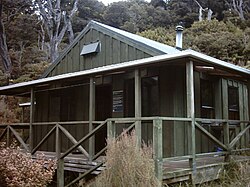
A core component of DOC's mission is providing recreational opportunities. This ranges from the management of family picnic sites to the maintenance of rugged backcountry tracks. To support those exploring the wilderness, DOC maintains over 1,000 backcountry huts used by recreational trampers (hikers) and hunters.
Environmental Preservation and Wildlife
Beyond land management, DOC is dedicated to preserving New Zealand's natural heritage. This involves several critical initiatives:
- Species Protection: Saving native threatened species and caring for marine life.
- Threat Management: Controlling pests and weeds to protect biodiversity.
- Restoration: Engaging in environmental restoration and preserving historic sites on public land.
- Partnerships: Assisting private landowners in preserving natural heritage.
In 2025, DOC expanded its predator control efforts when Predator Free 2050 Ltd transferred its projects and long-term responsibilities to the department. Additionally, in December 2025, DOC partnered with Conservation International Aotearoa and Manta Watch NZ to conduct research and reporting on oceanic manta rays in New Zealand waters.
Economic Initiatives and Public Impact
The department's work often intersects with the national economy. While some critics, particularly in the farming industry, have argued that DOC is biased toward environmentalists, others point to the significant success in reducing possum populations over recent decades as a win for both conservationists and farmers.
In response to the economic downturn following the Covid-19 pandemic, DOC collaborated with several agencies—including the Ministry for the Environment, Land Information New Zealand, and the Ministry for Primary Industries—on the "Jobs For Nature" project. As of June 2023, this initiative has invested approximately NZ$1.19 billion, employing 4,694 individuals across 193 projects to create jobs while benefiting regional New Zealand and the environment.
While DOC was initially proposed as the supervising agency for the New Zealand Cycleway, that project is now primarily managed by the Ministry of Tourism, with DOC providing coordination where necessary.
Conservation House: A Sustainable Headquarters
Since 2006, the department has operated from Conservation House on Manners Street in Wellington. The building is a landmark of sustainability, being the first green building in New Zealand to receive a 5-star rating. Formerly a cinema complex operated by the Hoyts Group, the site has won numerous environmental awards and was recognized in a top 10 placing by Grist Magazine.
Key Facts
- Established: 1 April 1987 via the Conservation Act 1987.
- Land Managed: Approximately 8 million hectares (roughly 30% of New Zealand's land area).
- Infrastructure: Over 1,000 backcountry huts.
- Economic Impact: The "Jobs For Nature" project invested NZ$1.19 billion and employed 4,694 people as of June 2023.
- Headquarters: Conservation House, a 5-star rated green building in Wellington.
| Category | Details |
|---|---|
| Primary Legislation | Conservation Act 1987 |
| Managed Areas | Forests, wetlands, alpine areas, marine reserves, and 4,000+ reserves |
| Core Functions | Conservation, recreation, pest control, and historic preservation |
| Key Partnerships | Manta Watch NZ, Conservation International Aotearoa, Fire and Emergency NZ |
Frequently Asked Questions
When was the Department of Conservation established?
The department was formed on 1 April 1987, following the passage of the Conservation Act 1987, which integrated the functions of the Wildlife Service, the Forest Service, and the Department of Lands and Survey.
How much of New Zealand's land does DOC manage?
DOC manages approximately 8 million hectares of land, which represents about 30% of New Zealand's total land area.
What is the "Jobs For Nature" programme?
It is an economic recovery initiative launched after the Covid-19 pandemic to create employment while protecting the environment. As of June 2023, it has employed 4,694 people across 193 projects with an estimated investment of NZ$1.19 billion.
Does DOC manage backcountry accommodation?
Yes, DOC maintains over 1,000 backcountry huts used by recreational trampers and hunters across the country's rugged tracks.
What is the significance of Conservation House?
Located in Wellington, Conservation House is the first green building in New Zealand to achieve a 5-star rating and has received multiple environmental awards.