Denmark National Football Team: A Legacy of Triumph and Resilience
Known affectionately as De Rød-Hvide (The Red and Whites) and famously as Danish Dynamite, the Denmark national football team is a cornerstone of European sports. Governed by the Dansk Boldspil-Union (DBU), the team has evolved from an amateur side into a global powerhouse, blending tactical discipline with moments of pure footballing magic.
From their early Olympic successes to the shocking victory at Euro 1992, Denmark has consistently punched above its weight, proving that a small nation can achieve monumental success on the world stage.
Key Facts
- Major Honors: UEFA European Championship Winners (1992) and FIFA Confederations Cup Winners (1995).
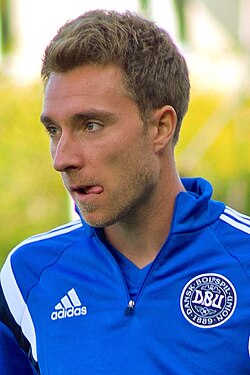
- Most Capped Player: Christian Eriksen with 151 appearances.
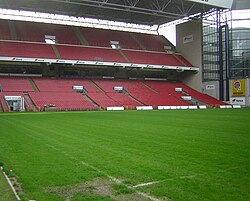
- Home Ground: Parken Stadium in Copenhagen, with a capacity of 38,065.
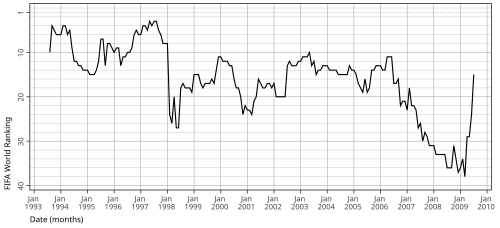
- Highest FIFA Ranking: 3rd (May 1997–August 1997).
- Olympic Pedigree: Three silver medals (1908, 1912, 1960).
Historical Journey: From Amateurs to Champions
The Early Years and Olympic Glory
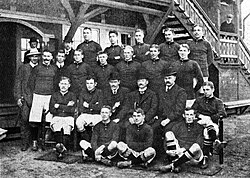
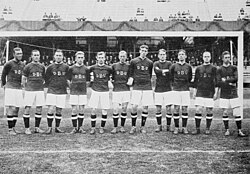
Denmark's international journey began in 1908 with a dominant 9–0 victory over France B. This era was marked by significant Olympic success, securing silver medals in 1908 and 1912, and later in 1960. These early achievements laid the foundation for a culture of competitiveness.
The Era of Danish Dynamite (1980–1990)
The 1980s saw the rise of the "Danish Dynamite" team under manager Sepp Piontek. This squad was renowned for its attacking flair and entertainment value, reaching the semi-finals of Euro 1984 and making their World Cup debut in 1986, where they reached the Round of 16.
The 1992 Fairytale
Perhaps the most iconic moment in Danish football history occurred during the 1992 European Championship. Under Richard Møller Nielsen, Denmark entered the tournament as replacements for Yugoslavia. In a stunning underdog story, they defied all odds to become Champions, defeating Germany in the final.
Modern Evolution and the Hjulmand Era
Following the success of the 1990s and the stability of the Morten Olsen era (the longest reign in team history at 15 years), Denmark continued to evolve. Under Kasper Hjulmand, the team reached the semi-finals of Euro 2020, showcasing a modern, possession-based style of play.
Team Statistics and Records
Denmark's consistency is reflected in their head-to-head records and player milestones. Christian Eriksen stands as the most capped player, while legends like Poul Nielsen and Jon Dahl Tomasson share the record for most goals scored (52).
| Competition | Best Result | Year | Total Appearances |
|---|---|---|---|
| UEFA European Championship | Champions | 1992 | 10 |
| FIFA World Cup | Quarter-finals | 1998 | 6 |
| FIFA Confederations Cup | Champions | 1995 | 1 |
| Olympic Games | Silver Medal | 1908, 1912, 1960 | 7 |
| CONMEBOL–UEFA Cup of Champions | Runners-up | 1993 | 1 |
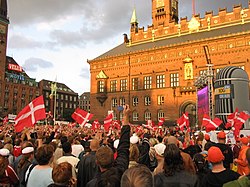
The team's passion is best seen in the streets of Copenhagen, where fans gather in massive numbers to support their heroes.
Frequently Asked Questions
Who is the most capped player for Denmark?
Christian Eriksen is the most capped player in the history of the Denmark national team, with 151 appearances.
What is Denmark's greatest achievement in international football?
Their greatest achievement is winning the UEFA European Championship in 1992, where they were crowned champions after a fairytale run.
Where does the Denmark national team play its home matches?
The team plays its official home matches at Parken Stadium in Copenhagen, which has a capacity of 38,065 spectators.
Who holds the record for the most goals scored for Denmark?
The record for most goals is shared by Poul Nielsen and Jon Dahl Tomasson, both of whom scored 52 goals for the national team.
What is the meaning of the nickname "Danish Dynamite"?
"Danish Dynamite" refers to the explosive, attacking style of play adopted by the national team during the 1980s under manager Sepp Piontek.