Dementia: Types, Diagnosis, and Management Strategies
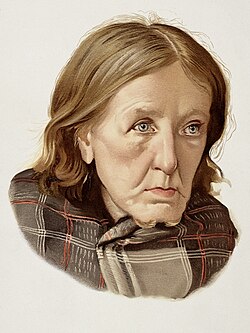
Dementia is not a single disease but an umbrella term for a range of neurological conditions characterized by a decreased ability to think and remember. It impacts a person's cognitive functions to the extent that they interfere with daily life, often manifesting as problems with language and a decrease in motivation. As a life-limiting condition, it typically results in a shortened life expectancy and requires a multidisciplinary approach involving geriatrics, neurology, psychiatry, and neuropsychiatry.
Historically, the perception of dementia has evolved from early clinical observations to a complex understanding of brain pathology. Today, it is a global health challenge affecting millions of people and their families.
Key Facts
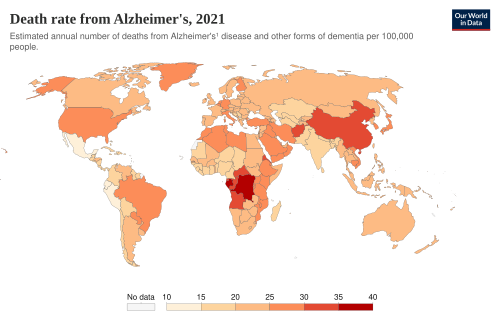
- Global Prevalence: Approximately 57 million people were living with dementia in 2021.
- Mortality: There were 1.62 million dementia-related deaths in 2019, with projections suggesting an increase to 4.91 million by 2050.
- Primary Causes: The condition is driven by neurodegeneration (the progressive loss of structure or function of neurons), vascular disease, stroke, and traumatic brain injuries.
- Common Complications: Patients are at higher risk for malnutrition, dehydration, pneumonia, and injuries resulting from falls.
- Onset: The onset is usually gradual, though the duration and progression vary by individual and type.
Types of Dementia
Dementia is categorized based on the underlying cause of the brain damage. While some forms are primary neurodegenerative diseases, others are secondary to other medical conditions.
Primary Dementias
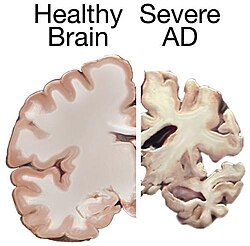
- Alzheimer's Dementia: The most common form, characterized by specific protein accumulations in the brain.
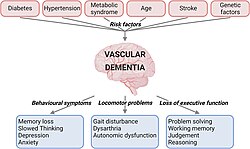
- Vascular Dementia: Caused by impaired blood flow to the brain, often following a stroke.
- Lewy Body Dementias: Associated with abnormal deposits of alpha-synuclein protein.
- Frontotemporal Dementias: Primarily affecting the frontal and temporal lobes, often impacting personality and behavior.
- Mixed Dementia: A condition where a person has brain changes characteristic of more than one type of dementia.
Other and Secondary Forms
Other forms include hippocampal sclerosis, autoimmune dementia, and childhood dementias. Secondary dementias occur as a result of other diseases, such as Huntington's disease, HIV, and prion diseases. Additionally, clinicians must distinguish dementia from conditions with similar symptoms, such as delirium, depression, and hypothyroidism.
Diagnosis and Clinical Assessment
Diagnosing dementia requires a comprehensive clinical assessment to determine the type and stage of the condition. This process typically involves:
- Cognitive Testing: Tools such as the Mini-Mental State Examination (MMSE) are used to measure memory and thinking skills.
- Imaging: Brain scans are utilized to identify atrophy or vascular damage.
- Clinical History: Evaluating the onset and progression of symptoms.
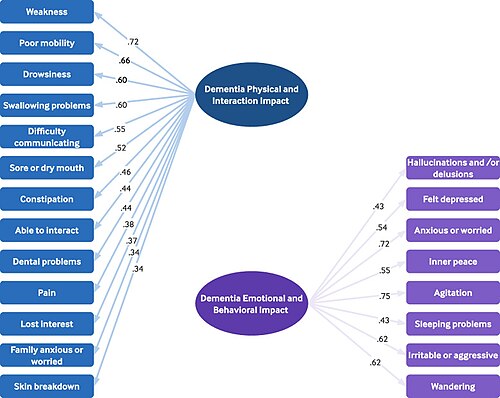
Assessments in advanced care may also utilize specific tools like the IPOS-Dem subscales to monitor symptoms and concerns.
Management and Treatment
While there is currently no cure for most types of dementia, management focuses on supportive care to maintain quality of life and manage symptoms.
Pharmacological Interventions
Medications vary depending on the stage and type of dementia. While many provide only a small benefit, some common options include:
- Cholinesterase Inhibitors: Such as Donepezil, used primarily in Alzheimer's disease.
- NMDA Receptor Antagonists: Such as Memantine.

Non-Pharmacological and Supportive Care
A person-centered care approach is essential, focusing on the individual's needs and preferences. Key strategies include:
- Psychosocial Therapies: Including reminiscence therapy and cognitive stimulation.
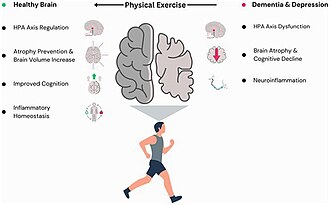
- Physical Activity: Exercise can have modulatory effects on depression and overall cognitive health.
- Assistive Technology: The use of digital health tools and virtual reality to support daily functioning.
- Palliative Care: Specialized medical care focused on providing relief from the symptoms and stress of the illness in advanced stages.
Prevention and Risk Factors
Reducing the risk of dementia involves managing modifiable health factors. Key areas of focus include:
- Diet and Nutrition: Maintaining a healthy diet to support brain health.
- Dental Health: Emerging evidence links oral health and dysfunction to cognitive impairment.
- Lifestyle: Engaging in physical and cognitive activities to build cognitive reserve.
| Category | Details |
|---|---|
| Global Prevalence (2021) | 57 Million |
| Primary Causes | Neurodegeneration, Vascular disease, Stroke, TBI |
| Common Types | Alzheimer's, Vascular, Lewy Body, Frontotemporal |
| Diagnostic Tools | MMSE, Brain Imaging, Clinical Assessment |
| Key Complications | Pneumonia, Malnutrition, Fall-related injuries |
Frequently Asked Questions
What is the difference between dementia and Alzheimer's?
Dementia is an umbrella term for a set of symptoms caused by various diseases that affect the brain. Alzheimer's disease is a specific type of dementia and the most common cause of the condition.
Can dementia be prevented?
While some risk factors are genetic, others are modifiable. Maintaining a healthy diet, ensuring good dental health, and engaging in regular physical and cognitive exercise can help reduce risk.
What are the most common complications of dementia?
Common complications include physical health issues such as pneumonia, malnutrition, and dehydration, as well as injuries resulting from falls due to decreased coordination and judgment.
How is dementia diagnosed?
Diagnosis is typically achieved through a combination of clinical assessments, cognitive tests (like the Mini-Mental State Examination), and medical imaging to look for brain atrophy or vascular changes.
What is person-centered care?
Person-centered care is an approach to dementia management that prioritizes the individual's unique history, preferences, and needs over a standardized medical routine, aiming to preserve dignity and quality of life.