Cyclone Nargis: The Devastation and Aftermath of Myanmar's Deadliest Storm
In May 2008, the Bay of Bengal witnessed one of the most catastrophic weather events in modern history. Cyclone Nargis, an extremely severe cyclonic storm, tore through Southeast Asia, leaving a trail of unprecedented destruction in its wake. While the storm affected several nations, the impact on Myanmar was catastrophic, resulting in a humanitarian crisis that drew global attention and condemnation.
Meteorological History
Cyclone Nargis formed on April 27, 2008, and rapidly intensified as it moved across the ocean. By the time it approached the coast of Myanmar on May 2, it had reached immense power. According to the Saffir-Simpson scale—a system used to classify hurricanes based on their sustained wind speed—Nargis was a Category 4-equivalent tropical cyclone.
The storm's intensity varied depending on the measurement standard used. The India Meteorological Department (IMD) recorded highest 3-minute sustained winds of 165 km/h (105 mph) with a lowest pressure of 962 hPa. Meanwhile, the Joint Typhoon Warning Center (JTWC) recorded 1-minute sustained winds reaching 215 km/h (130 mph) and a lowest pressure of 937 hPa.
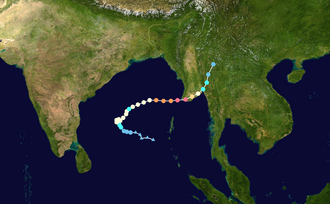
Impact and Destruction
The storm dissipated on May 3, 2008, but not before causing widespread devastation across Bangladesh, India, Sri Lanka, and most severely, Myanmar. The Irrawaddy Delta, a low-lying region, bore the brunt of the storm surge and wind.
The human cost was staggering. Cyclone Nargis is ranked as the fifth-deadliest tropical cyclone on record, with a total of 138,373 fatalities. In terms of economic loss, the storm caused $15.3 billion in damages (2008 USD), making it the costliest storm in the North Indian Ocean when adjusted for inflation.
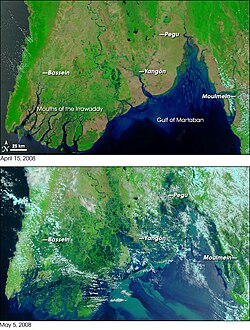
The physical transformation of the landscape was stark. Satellite imagery of the Irrawaddy Delta showed a complete shift in the environment before and after the storm hit, with vast areas of land submerged or stripped of vegetation.
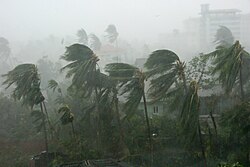
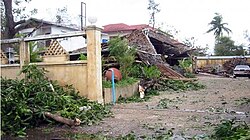
In urban centers like Yangon, the storm left houses destroyed and infrastructure in ruins, contributing to the overall chaos and loss of life.
Key Facts
- Fatalities: 138,373 people died, making it the 5th deadliest tropical cyclone ever recorded.
- Economic Loss: $15.3 billion (2008 USD), the costliest in the North Indian Ocean (inflation-adjusted).
- Peak Intensity: Category 4-equivalent with winds up to 215 km/h (130 mph).
- Primary Target: The Irrawaddy Delta in Myanmar suffered the most severe impact.
- Timeline: Formed April 27, 2008; dissipated May 3, 2008.
International Relief and Controversy
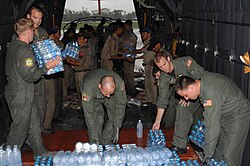
The aftermath of Cyclone Nargis was marked by significant geopolitical tension. While dozens of countries offered aid, the Myanmar military junta initially blocked international relief efforts. This blockade led to international condemnation, as activists and foreign governments argued that the delay in aid distribution increased the death toll.
Despite the restrictions, several nations and organizations provided critical support. The United States contributed $196 million between 2008 and 2012, and the United Kingdom committed £45 million. Other significant contributions came from China, Japan, and the European Union.
| Country/Organization | Contribution Details |
|---|---|
| United States | US$196 million (2008–2012) |
| United Kingdom | £45 million committed |
| European Union | €39 million (US$60.7 million) |
| China | US$10 million in aid and relief materials |
| Japan | US$10 million via UN World Food Programme + other grants |
| India | Medical supplies, food, and air consignments |
Frequently Asked Questions
How many people died as a result of Cyclone Nargis?
A total of 138,373 people lost their lives, ranking it as the fifth-deadliest tropical cyclone in recorded history.
What was the maximum wind speed of the storm?
Depending on the measurement, the storm reached 165 km/h (3-minute sustained) according to the IMD, and 215 km/h (1-minute sustained) according to the SSHWS/JTWC.
Which region was most affected by the cyclone?
The Irrawaddy Delta in Myanmar suffered the most catastrophic damage and loss of life.
Why was the international relief effort controversial?
The relief effort was controversial because the Myanmar military junta blocked international aid workers and supplies from entering the country during the critical early stages of the crisis.
What was the total economic damage caused by Nargis?
The damage was estimated at $15.3 billion in 2008 USD, making it the costliest storm in the North Indian Ocean when adjusted for inflation.