Crazy Blues: The Landmark Recording That Launched the Race Records Era
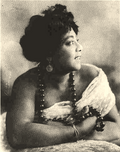
In the early 20th century, the landscape of the American music industry underwent a seismic shift with the release of a single song. "Crazy Blues," recorded by Mamie Smith and Her Jazz Hounds, was not just a musical hit; it was a cultural milestone that proved there was a massive, untapped commercial market for African American music.
Written by Perry Bradford in 1918, the song was originally titled "Harlem Blues." Bradford initially composed the piece for the theater, which explains its unique structure. Unlike the standard twelve-bar blues—a musical form characterized by a specific 12-measure chord progression—"Crazy Blues" features blues choruses embedded within non-blues verses.
The Recording and Immediate Success
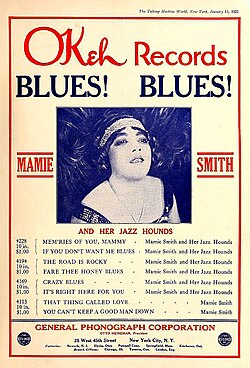
Mamie Smith learned the song directly from Bradford. After achieving early success performing it as "Harlem Blues," Bradford encouraged recording companies to capture Smith's rendition. On August 10, 1920, Smith and Her Jazz Hounds recorded the track for Okeh Records.
The recording session is shrouded in some historical debate. While stride pianist Willie "The Lion" Smith appears in photographs from the session and claims to have discovered Mamie Smith, Bradford also claimed the discovery. Regardless of who found her, the public's reaction was instantaneous.
Within just two months of its release, "Crazy Blues" sold 75,000 copies at one dollar each. For 1920, this was an extraordinary commercial success that caught the music industry by surprise.

Key Facts
- Artist: Mamie Smith and Her Jazz Hounds
- Songwriter: Perry Bradford (originally titled "Harlem Blues")
- Release Date: 1920
- Label: Okeh Records
- Sales: 75,000 copies within two months of release
- Significance: First significant hit recording in the blues genre and a catalyst for the "race records" market
Lyrics, Themes, and Cultural Impact
The lyrics of "Crazy Blues" provide a raw look at emotional distress. The narrator describes the agony of being mistreated and abandoned by a partner, citing an inability to sleep or eat. As the song progresses, the narrator expresses a persistent love despite the mistreatment, eventually concluding with references to violence and death.
These themes resonated deeply with African American audiences, particularly women. For the first time on a large scale, the inner lives and personal struggles of Black women were being articulated in popular media. This success paved the way for other legendary female African American performers, such as Ma Rainey, to share their own stories through song.
Industry Influence and Legacy
The impact of "Crazy Blues" extended far beyond the charts. It is widely considered the first recording with a blues title by a Black artist and established Mamie Smith as the first African American female popular singer to lead a commercial recording.
The record's success birthed the era of race records—phonograph records specifically targeted toward African American buyers. Major record companies, seeing the profit potential, began producing their own recordings of female blues singers to replicate Smith's success.
The song's historical importance has been formally recognized by several institutions:
- Entered the Grammy Hall of Fame in 1994.
- Added to the National Recording Registry of the U.S. Library of Congress in 2005.
Even in modern media, the song's influence persists, appearing in the 2010 series Boardwalk Empire (Season 1, Episode 10).
Summary of "Crazy Blues"
| Category | Details |
|---|---|
| Recording Date | August 10, 1920 |
| Genre | Blues |
| Length | 3:26 |
| B-side | "It's Right Here For You (If You Don't Get It-'Taint No Fault O' Mine)" |
| Key Figures | Mamie Smith, Perry Bradford, Willie "The Lion" Smith |
Frequently Asked Questions
What was the original title of "Crazy Blues"?
The song was originally written by Perry Bradford in 1918 under the title "Harlem Blues."
Why was this recording considered a landmark in music history?
It was the first significant hit recording in the blues genre and the first commercial recording led by an African American female popular singer, which opened the market for "race records."
How did the song's structure differ from traditional blues?
Because it was originally written for the theater, it does not follow a straight string of twelve-bar blues; instead, it features blues choruses embedded within non-blues verses.
Who were the primary audiences for the record?
The song resonated strongly with African American audiences, especially women, who found their own life experiences and emotional complexities reflected in the lyrics.
What honors has the song received since its release?
It was inducted into the Grammy Hall of Fame in 1994 and the National Recording Registry of the Library of Congress in 2005.