Córdoba: Argentina's Historic Heart of Learning and Culture
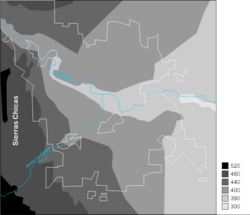
Nestled in the foothills of the Sierras Chicas along the banks of the Suquía River, Córdoba stands as a beacon of history and intellect in central Argentina. Located approximately 700 km northwest of Buenos Aires, it serves as the capital of the Córdoba Province and is the second-most populous city in the nation. Known for its blend of colonial charm and modern urban energy, Córdoba is a vital hub for education, government, and culture in South America.
The city's identity is deeply intertwined with its academic legacy. Often referred to as La Docta ("the learned"), Córdoba has been a center of intellectual pursuit for centuries, fostering a spirit of innovation and reform that has echoed across the Americas.
Key Facts
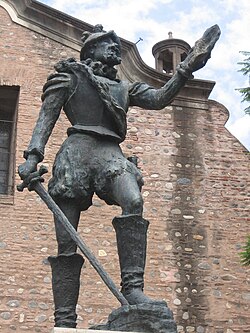
- Founded: July 6, 1573, by Jerónimo Luis de Cabrera.
- Population: Approximately 1.5 million (city) and 2.1 million (metro area).
- Status: Second-largest city in Argentina.
- UNESCO Site: The Jesuit Block and Estancias of Córdoba (designated 2000).
- Academic Fame: Home to the National University of Córdoba, the oldest in Argentina.
- Economy: A GDP (PPP) of $37.7 billion as of 2023.
History and Heritage
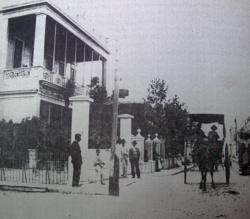
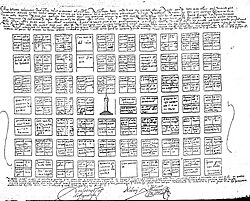
Córdoba was established as a Spanish colonial settlement in 1573, named after the city of Córdoba in Spain. While not the oldest city in Argentina—that honor belongs to Santiago del Estero—it quickly became one of the region's most influential capitals.
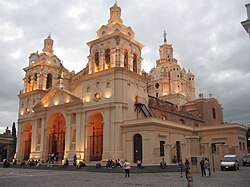
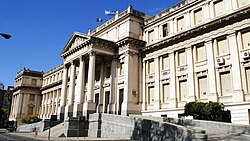
The city's intellectual trajectory was set in 1613 with the founding of the National University of Córdoba by the Jesuit Order. This institution not only solidified the city's reputation as a center of learning but also became the epicenter of the 1918 University Reform, a movement that transformed higher education across Argentina, Spain, and the rest of the Americas.
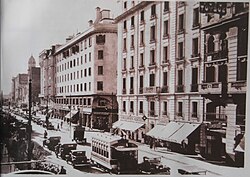
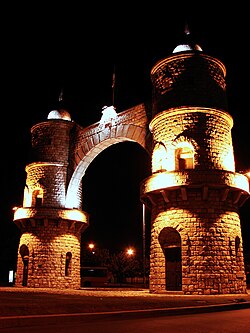
As the 20th century dawned, Córdoba underwent a significant physical transformation. By 1909, the introduction of an electrified tram system and the construction of wide avenues and public squares modernized the urban landscape, evolving from a town of 90,000 residents into a sprawling metropolitan center.
Geography and Climate
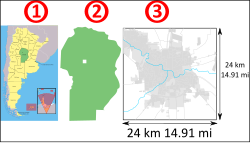
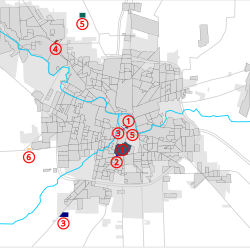
Geographically, the city is centered around San Martín Square. It is situated in the southern hemisphere, positioned in the west-central region of Argentina. The municipal land extends roughly 12 km in each direction from the city center, covering a total surface area of 576 km².
The city experiences a varied climate with distinct seasonal shifts. Summers are typically hot, with record highs reaching 43.7°C, while winters can be chilly, with record lows dipping to -7.1°C. Precipitation is most frequent during the summer months, contributing to an annual average of over 800 mm of rainfall.
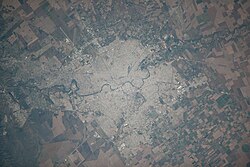
Urban Structure and Infrastructure
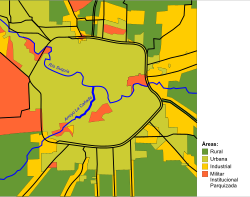
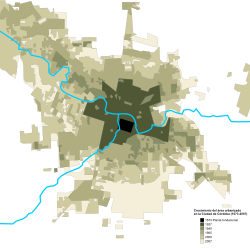
Córdoba's urban growth has been steady, expanding from a small colonial outpost to a massive urban agglomeration. Today, the city is characterized by a mix of historic colonial architecture and modern high-rises.
Transportation
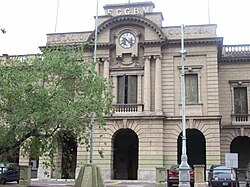
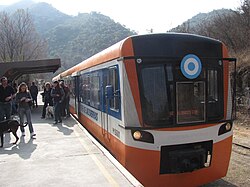
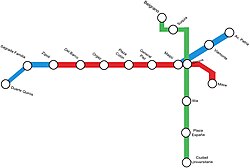
The city relies on a comprehensive network of buses and railways. Key rail hubs include the Córdoba (Mitre) station and the Alta Córdoba station. While a high-speed rail project and a US$1.1 billion metro system were proposed and signed into law in 2008, the metro project has been suspended since 2012.
Education and Economy
Education remains a primary pillar of the local economy. The National University of Córdoba, the 4th oldest in the Americas, hosts approximately 105,000 students. Other notable institutions include the National Technological University and the Catholic University of Córdoba.
City Overview Summary
| Category | Detail |
|---|---|
| Coordinates | 31°25′S 64°11′W |
| Elevation | 352–544 m |
| Urban Population | 1,705,741 (2020 Census) |
| GDP Per Capita | $23,400 (2023) |
| Time Zone | UTC−3 (ART) |
| UNESCO Site | Jesuit Block and Estancias |
Frequently Asked Questions
Why is Córdoba called "La Docta"?
Córdoba is nicknamed "La Docta" (the learned) because it is home to the National University of Córdoba, the oldest university in Argentina and one of the oldest in the Americas, making the city a historic center of academic excellence.
Who founded the city of Córdoba?
The city was founded on July 6, 1573, by the Spanish conquistador Jerónimo Luis de Cabrera.
What is the significance of the 1918 University Reform?
The University Reform was a student-led movement that began in Córdoba and spread throughout Argentina, Spain, and the Americas, advocating for university autonomy and modernization of education.
Is there a metro system in Córdoba?
Although a metro system was planned and signed into law in 2008 with an estimated cost of US$1.1 billion, the project has been suspended since 2012.
What UNESCO World Heritage site is located here?
The Jesuit Block and Estancias of Córdoba were designated as a UNESCO World Heritage site in 2000 for their cultural significance.