Constantin C. Giurescu: A Legacy of Romanian Historiography
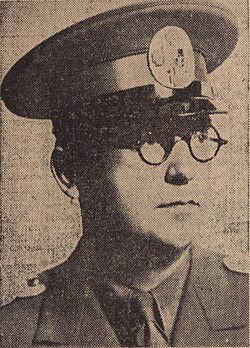
Constantin C. Giurescu was a towering figure in the study of Southeast European history. As a distinguished historian, professor at the University of Bucharest, and a member of the Romanian Academy, his life mirrored the turbulent political shifts of 20th-century Romania. From the heights of academic leadership to the depths of political imprisonment, Giurescu remained a central figure in documenting the formation of the Romanian state and people.
Early Life and Academic Foundations
Born on October 26, 1901, in Focșani, Constantin C. Giurescu was the son of a historian, which likely influenced his early intellectual pursuits. He completed his primary and secondary education in Bucharest before pursuing higher studies at the University of Bucharest. In 1923, he earned his doctorate with a thesis titled "Contributions to the studies of great dignitaries of the 14th and 15th century."
To further refine his expertise, Giurescu attended the Romanian School in Paris between 1923 and 1925, an institution established in 1920 by the renowned historian Nicolae Iorga. Upon returning to Romania, he transitioned into a prolific teaching and administrative career.
Institutional Leadership
Giurescu was not only a scholar but also an architect of historical research in Romania. In 1931, he founded the National Institute for History, serving as its director starting in 1933. Additionally, he served as the editor of the Romanian Historical Review in 1933, helping to shape the academic discourse of his era.
Political Involvement and Persecution
Beyond the classroom, Giurescu engaged in the political life of his country. He served as a member of the Chamber of Deputies of Romania from 1932 to 1933 and later held a position as secretary in the National Renaissance Front government between 1939 and 1940.
However, the rise of the Communist regime after World War II brought severe hardship. In 1948, he was dismissed from his position at the University of Bucharest. His political affiliations led to his incarceration as a political prisoner in the notorious Sighet Prison, where he remained from 1950 to 1955.
Academic Restoration and Global Recognition
Despite the years of persecution, Giurescu eventually returned to academia. He rejoined the University of Bucharest in 1963 and reached a pinnacle of professional recognition in 1974 when he was elected as a titular member of the Romanian Academy.
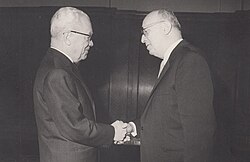
His expertise in the medieval and early modern history of Southeast Europe earned him international acclaim. In the Spring semester of 1972, he was expected to be the first person to hold the Nicolae Iorga Chair at Columbia University in New York City.
Key Facts
- Full Name: Constantin C. Giurescu
- Lifespan: October 26, 1901 – November 13, 1977
- Key Roles: Professor at University of Bucharest, Member of the Romanian Academy, Founder of the National Institute for History.
- Education: Doctorate from University of Bucharest (1923); studies at the Romanian School in Paris (1923–1925).
- Imprisonment: Incarcerated at Sighet Prison from 1950 to 1955.
- Family: Father of historian Dinu C. Giurescu.
Major Works and Contributions
Giurescu authored numerous seminal texts that explored the ethnic, political, and environmental history of Romania. His bibliography includes comprehensive studies on the formation of the Romanian state and the influence of nomadic populations.
| Work Title | Focus Area |
|---|---|
| History of Romanians | General National History |
| The Making of the Romanian Unitary State | Political Formation |
| Nomadic Populations in the Euro-Asian and the part they played in the formation of Mediaeval States | Migration and Statehood |
| The Making of the Romanian People and Language | Ethnogenesis and Linguistics |
| Transylvania in the History of the Rumanian People | Regional History |
| A history of the Romanian forest | Environmental History |
Constantin C. Giurescu passed away in Bucharest in 1977 at the age of 76. He was laid to rest in the city's Bellu Cemetery, leaving behind a legacy of scholarship that continues to influence Romanian history.
Frequently Asked Questions
What was Constantin C. Giurescu's primary area of expertise?
He was a specialist in the medieval and early modern history of Southeast Europe, with a particular focus on the formation of the Romanian people, language, and unitary state.
Which academic institutions was he associated with?
He was a professor at the University of Bucharest, a member of the Romanian Academy, and the founder and director of the National Institute for History.
Why was Giurescu imprisoned at Sighet Prison?
Following the advent of the Communist regime in Romania, he was targeted as a political prisoner and incarcerated from 1950 to 1955.
Did Giurescu have any international academic connections?
Yes, he studied at the Romanian School in Paris and was expected to hold the Nicolae Iorga Chair at Columbia University in New York City in 1972.
Who was Dinu C. Giurescu?
Dinu C. Giurescu was the son of Constantin C. Giurescu and also became a historian.