Concerts: The Evolution and Diversity of Live Musical Performance
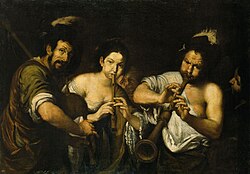
A concert, often referred to as a gig or show, is a live musical performance delivered in front of an audience. These events can range from a single musician—a performance known as a recital—to large musical ensembles such as choirs, bands, or orchestras. From the intimacy of a private home or a small nightclub to the massive scale of sports stadiums and outdoor amphitheatres, concerts serve as a primary bridge between artists and their listeners.
Regardless of the setting, most concerts utilize a stage or a designated performance area and rely on professional audio equipment to ensure sound quality. Historically, before the era of recorded music, concerts were the only way for the public to experience musicians. Today, the complex logistics of large-scale events and tours are managed by professional tour promoters who coordinate venues, equipment, and ticketing.
Key Facts
- Global Revenue: The live music industry generated 28.6 billion U.S. dollars in 2023.
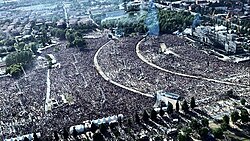
- Record Attendance: Vasco Rossi holds the record for the largest ticketed concert, with 220,000 attendees in 2017.
- Highest Grossing: Taylor Swift's The Eras Tour (2023) earned $1.04 billion, averaging $17.3 million per show.
- Historical Origin: Public concerts with admission fees began in London in 1672 with violinist John Banister.
- Neurological Impact: Live music has been proven to stimulate the left amygdala more than recorded music.
The History of Public Performance
While informal musical gatherings existed at European universities like Oxford and Cambridge in the early 17th century, the official birth of the public concert occurred in the late 1600s. In 1672, violinist John Banister began charging admission for performances at his home in Whitefriars, London. By 1678, Thomas Britton introduced a subscription model in Clerkenwell, allowing patrons to attend unlimited concerts for a yearly fee of 10 shillings.
In France, early concerts were exclusive to the nobility in private homes. This changed with the Concerts Spirituels, organized by Anne Danican Philidor. These were the first public concerts in France, held on religious holidays when the Opera was closed, and they became a global model for concert societies.
By the late 18th century, English concerts featured the works of Mozart and Haydn, including Haydn's "London Symphonies." Elegant garden venues such as Marylebone, Ranelagh, and Vauxhall became popular hubs for these performances. Following World War II, the format shifted toward the modern concert experience, exemplified by events like the Moondog Coronation Ball.
Types of Concerts

The structure and atmosphere of a concert are heavily influenced by the musical genre, the performer, and the venue.
Recitals
A recital is a solo concerto or a performance by a small group following a specific program. These may highlight a single instrument (such as an organ recital) or the works of one composer. Franz Liszt is credited with inventing the solo piano recital. Additionally, the term applies to dance recitals, which are choreographed presentations often held in performing arts venues.
Classical Concerts
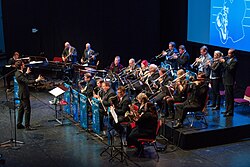
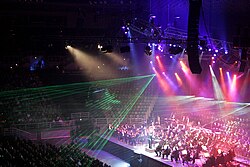
Classical music is generally divided into orchestral and choral styles. Orchestral performances vary by size: chamber orchestras typically consist of 10 to 40 members (mostly strings), while symphony orchestras can exceed 80 members, incorporating strings, woodwinds, brass, and percussion. Choral concerts include opera, musical theater, and choral music, all led by a conductor or director.
Rock and Theatrical Concerts
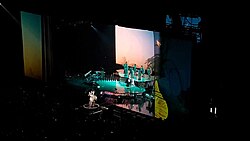
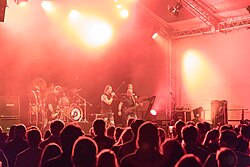
Rock concerts can vary from small club shows to massive stadium events, often characterized by high volume levels and the presence of mosh pits. Many modern popular music acts produce theatrical concerts, which utilize expensive spectacles to enhance the experience. These include pyrotechnics, theatrical smoke, inflatable sets, and IMAG (electronic imagery) systems. Performers may also use pre-recorded accompaniment, back-up dancers, and broadcast vocal tracks.

Venues and Formats
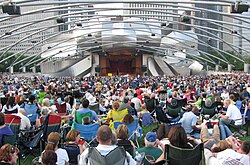
The choice of venue often dictates the type of music performed. Concert halls, such as the Royal Albert Hall in the UK, are primary venues for classical symphonies. Amphitheatres, like Red Rocks in Colorado, are uncovered circular venues ideal for rock and pop. Due to their high capacity, sports arenas and stadiums, such as Madison Square Garden, are the preferred choice for major pop and rock tours.
Tours, Residencies, and Festivals
- Concert Tour: A series of performances across different cities or countries, often named after a specific album.
- Residency: A series of concerts performed at a single location, a format frequently associated with Las Vegas (e.g., Katy Perry's Play or Britney Spears' Piece of Me).
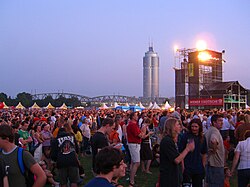
- Music Festival: Multi-day events featuring numerous artists across various genres, usually held outdoors. Modern variations include destination festivals like Mayan Holidaze in Tulum or cruise-ship festivals like Jam Cruise.
Economics of Live Music
Historically, concerts were the primary income source for musicians before the rise of recorded music and mechanical royalties. Today, revenue is generated through ticket sales, which are shared among artists, producers, venues, and organizers. Benefit concerts allocate a portion of these profits to charity.
Additional income streams include corporate sponsorships (such as the 2009 Vans Warped Tour presented by AT&T), as well as the sale of concessions and artist merchandise.
| Format | Typical Venue | Key Characteristic | Scale |
|---|---|---|---|
| Recital | Performing Arts Center | Soloist or small group | Small |
| Symphony | Concert Hall | Large orchestra with conductor | Medium to Large |
| Tour | Arenas/Stadiums | Multiple cities/countries | Very Large |
| Residency | Theaters/Resorts | Single fixed location | Medium to Large |
| Festival | Outdoor Parks/Ships | Multiple artists/days | Massive |
Psychology and Audience Experience
Performing for mass audiences can lead to stage fright or performance anxiety. The stress of long tours is sometimes linked to depression and substance abuse among musicians. For the audience, the experience varies by genre: classical audiences are typically passive, while rock and folk audiences are encouraged to be active.
The combination of intense sound and crowd density can induce a trance-like state or an altered state of consciousness. This is supported by the fact that live music stimulates the brain's left amygdala more effectively than recorded versions. The physical interaction—such as musicians strutting and audiences dancing—is a key element of crowd psychology.
Frequently Asked Questions
What is the difference between a concert and a recital?
A concert is a general term for any live musical performance. A recital is a specific type of concert featuring a soloist or a small group, often following a formal program and highlighting a single performer or composer.
Who holds the record for the largest ticketed concert attendance?
Italian singer Vasco Rossi holds the record, having sold 220,000 tickets for his performance at Enzo Ferrari Park in Modena, Italy, on July 1, 2017.
What is a concert residency?
A residency is a series of concerts performed by an artist at a single venue over a period of time, rather than traveling to different cities. This format is highly common in Las Vegas.
How does live music affect the brain differently than recorded music?
Research indicates that live music stimulates the left amygdala more than recorded music does, contributing to a more intense emotional and psychological experience for the listener.
What are the primary revenue sources for modern concerts?
Revenue is primarily generated through ticket sales, corporate sponsorships, and the sale of merchandise and concessions.