Commander-in-Chief Roles and Military Authority Across Global Nations
The concept of a Commander-in-Chief—the individual holding the highest authority over a nation's armed forces—varies significantly across the globe. Depending on a country's political system, this role may be a position of absolute power, a ceremonial title, or a carefully balanced constitutional office designed to ensure civilian control over military operations.
From absolute monarchies and republics to parliamentary systems, the legal framework governing who leads the military reflects each nation's history, its approach to governance, and its philosophy on the separation of powers.
Key Facts
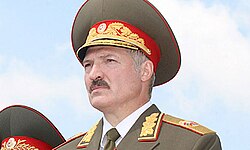
- Civilian Control: In many republics, such as the United States and Brazil, the head of state is a civilian who holds supreme command to prevent military coups.
- Ceremonial vs. Actual Power: In some nations, like Egypt, the president holds a ceremonial title while a defense minister manages active operations.
- Constitutional Transitions: Countries like Barbados have transitioned the role of commander-in-chief from a monarch to a president.
- Emergency Powers: Some nations, including Germany and Switzerland, have specific constitutional triggers that shift command authority during a state of defense or national emergency.
Republics and Presidential Systems
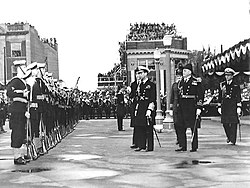
In most presidential republics, the constitution explicitly grants the president supreme authority over the military. In the United States, Article II, Section 2 designates the president as Commander in Chief of the Army, Navy, and state militias. While the president possesses ultimate authority, they maintain civilian status and hold no military rank.
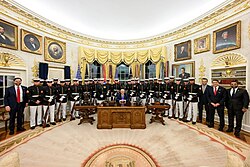
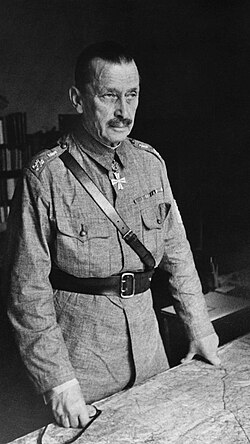
Similarly, the Philippines and Albania designate their presidents as commanders-in-chief through their respective constitutions. In Argentina, the president not only commands the forces but also manages the appointment of senior officers and declares war with the consent of the National Congress.
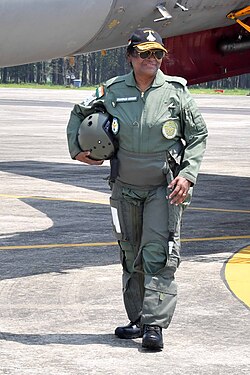
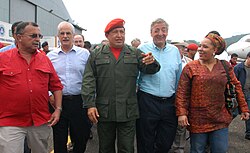
In Brazil, Article 142 of the 1988 Constitution places the armed forces under the supreme command of the president. Other nations, such as Venezuela, have seen leaders like Hugo Chavez embrace the role through both political office and military attire.
Constitutional Monarchies and Traditional Roles
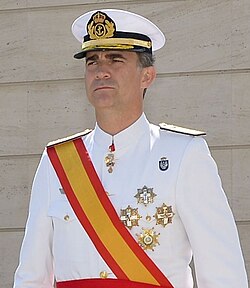
In monarchies, the role of the commander-in-chief is often rooted in deep tradition, though the actual exercise of power has evolved. In Spain, the 1978 Constitution authorizes the King to exercise supreme command, though the Government handles the actual administration of defense.
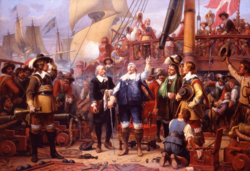
Denmark presents a unique legal interpretation. While the monarch is implicitly the head of the military, Danish jurists interpret "the King" in constitutional terms to mean the government (the prime minister and ministers), as the monarch's powers must be exercised through responsible ministers.
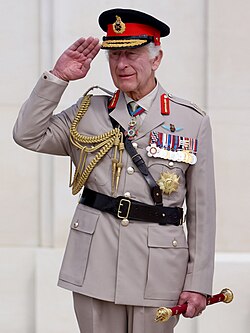
In the United Kingdom, the monarch serves as the Head of the Armed Forces. Similarly, in New Zealand, the roles of governor-general and commander-in-chief were consolidated into one office via the Letter Patents 1983.
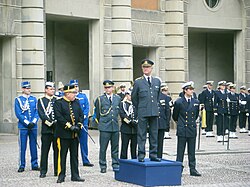
Conversely, some nations have moved away from this tradition. In Sweden, the monarch is no longer the commander-in-chief, and in 2024, the title of the highest-ranking active officer was changed from "Supreme Commander" to "Chief of Defence" following Sweden's accession to NATO.
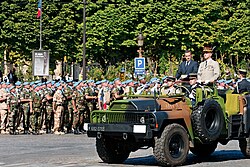
Complex and Evolving Command Structures
The Russian and Soviet Experience
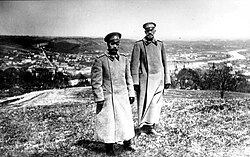
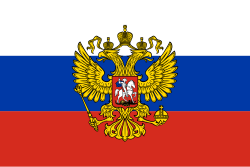
Russia's command history is marked by significant shifts. In the Imperial era, the Emperor could lead troops personally or appoint a supreme commander-in-chief who was responsible only to the sovereign. During World War I, this role shifted multiple times between Grand Dukes, the Emperor, and various generals.
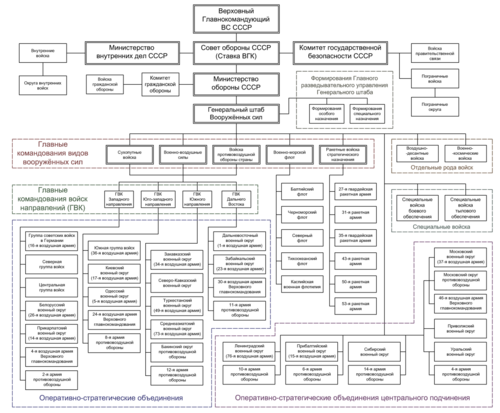
In the Soviet Union, the General Secretary of the Communist Party was unofficially the supreme commander until 1990, when the office of the President of the Soviet Union was created, formally granting Mikhail Gorbachev the title. In the modern Russian Federation, the President is the Supreme Commander-in-Chief, a status confirmed by the 1993 Constitution.
Germany's Parliamentary Approach
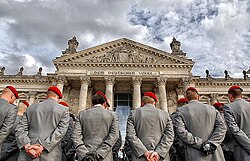
Due to its 20th-century history, modern Germany emphasizes military compatibility with a parliamentary system. Under normal circumstances, command is structured to avoid concentrated power. However, if the Bundestag declares a "state of defence" (Verteidigungsfall), the Federal Chancellor assumes command authority under Article 115b.
Specialized Systems: Switzerland and Ethiopia
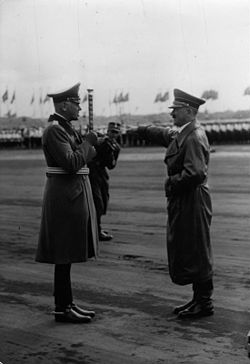
Switzerland employs a unique emergency system. During a declared war or national emergency, the United Federal Assembly elects a General as commander-in-chief. While this General has high autonomy, they remain subordinate to the Federal Council.
In Ethiopia, the 1995 Constitution deviates from the presidential norm by designating the prime minister as the Commander-in-Chief of the national armed forces.
Summary of Command Authority by Country
| Country | Primary Authority | Nature of Power |
|---|---|---|
| United States | President | Civilian Supreme Command |
| Spain | King | Supreme Command (Constitutional) |
| Germany | Federal Chancellor | Assumes command during state of defence |
| Ethiopia | Prime Minister | Constitutional Commander-in-Chief |
| Egypt | President / Defence Minister | President (Ceremonial) / Minister (Active) |
| Switzerland | Elected General | Wartime/Emergency only |
Frequently Asked Questions
Does the U.S. President have a military rank?
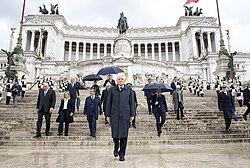
No. The President of the United States maintains civilian status and possesses ultimate authority without holding a specific military rank, following British military traditions.
How does the Danish monarch's military role work?
While the monarch is the implicit head of the military, the power is exercised by the government. In legal terms, "the King" is understood to refer to the prime minister and other ministers who are responsible for all acts.
What happens to military command in Germany during a crisis?
If the Bundestag declares a state of defence, the command authority over the armed forces shifts to the Federal Chancellor under Article 115b of the Basic Law.
Who holds the supreme command in the modern Russian Federation?
The President of the Russian Federation is the Supreme Commander-in-Chief, a role enshrined in the 1993 Constitution.
Is the commander-in-chief always the head of state?
Not always. For example, in Ethiopia, the prime minister holds the role, and in Switzerland, a General is elected specifically for wartime or national emergencies.