Columbine: The Fascinating World of the Aquilegia Genus
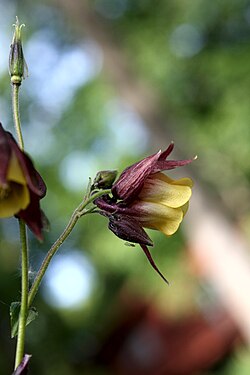
The columbine, known scientifically as Aquilegia, is a genus of flowering plants that has captivated botanists, gardeners, and artists for centuries. Belonging to the Ranunculaceae family, these plants are celebrated for their unique, spurred petals and diverse range of colors. From the rugged mountains of North America to the historical gardens of European cathedrals, columbines occupy a significant place in both natural ecosystems and human culture.
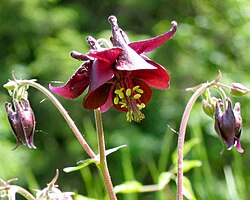
Key Facts
- Scientific Name: Aquilegia
- Family: Ranunculaceae
- Species Count: Approximately 130 accepted species (though estimates vary widely)
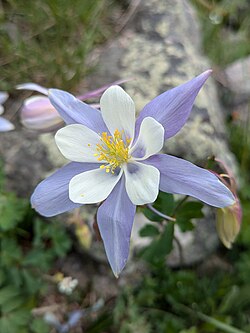
- State Flower: Aquilegia coerulea is the state flower of Colorado
- Pollination: Highly specialized, involving hawkmoths and hummingbirds
- Evolutionary Importance: A key model for studying hybridization and speciation
Taxonomy and Etymology
The history of the columbine's name is as complex as its biology. The 1st-century Greek writer Dioscorides referred to these plants as Isopyrum, a name now used for a different genus. In the 12th century, the polymath Hildegard of Bingen used the term agleya, which influenced the German name Akelei. The formal genus name Aquilegia was established by Carl Linnaeus in 1753, though various synonyms like Aquilina persisted in scientific circles for decades.
Taxonomically, the genus is a subject of ongoing study. While the Royal Botanic Gardens, Kew, recognizes approximately 130 species, different authorities provide varying counts ranging from 70 to over 400 taxa. This diversity makes the genus a vital subject for researchers studying phylogeny—the evolutionary development and diversification of a species.
Evolutionary Significance and Hybridization
Columbines are more than just beautiful garden additions; they are essential tools for evolutionary biology. The American botanist Verne Grant used Aquilegia extensively in his research to demonstrate how hybridization (the crossing of two different species) and polyploidy (the possession of more than two complete sets of chromosomes) drive plant evolution. His work remains foundational to our understanding of how new species emerge.
Natural hybridization is common within the genus. For example, Aquilegia × miniana is a naturally occurring hybrid resulting from the cross between A. flavescens and A. formosa.
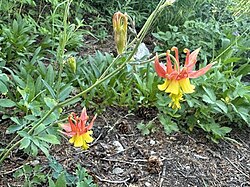
Pollination and Ecology
One of the most striking features of the columbine is its nectar spurs—elongated structures at the back of the flower that hold nectar. These spurs have evolved in response to specific pollinators. In North America, some species have adapted to be pollinated by hummingbirds and hawkmoths. Longer nectar spurs require hawkmoths to push deeper into the flower, ensuring they make contact with the plant's reproductive organs during the process.
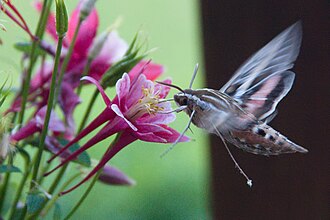
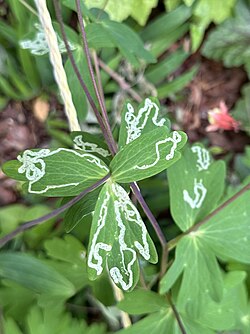
While beautiful, these plants face ecological challenges. Leaf miners, for instance, can damage the foliage by consuming the interior tissue of the leaves, leaving visible trails behind.
Cultural and Historical Significance
Columbines have left a lasting mark on human history and art. Some of the earliest cultivation of these flowers may have occurred within the grounds of Christian cathedrals. In the realm of fine art, Aquilegia vulgaris serves as a symbol of bodily pleasures in Hieronymus Bosch's famous masterpiece, The Garden of Earthly Delights.
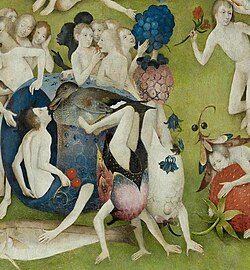

Even in astronomy, the genus is honored; the asteroid 1063 Aquilegia was named by German astronomer Karl Reinmuth in the early 1930s.
Summary of Notable Varieties and Uses
| Variety/Context | Key Characteristic/Use |
|---|---|
| A. coerulea | Colorado State Flower |
| A. oxysepala | Used in traditional Chinese medicine |
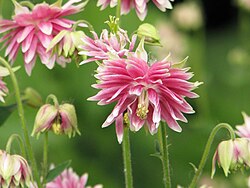
| A. vulgaris 'Nora Barlow' | Double-flowered cultivar |
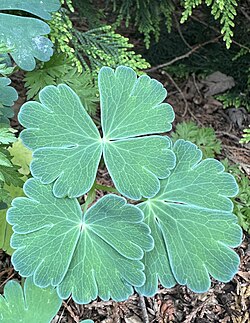
| A. flabellata 'Alba' | Distinctive fanning foliage |
| A. vulgaris (General) | Symbolic in Bosch's artwork |
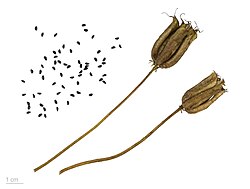
Cautionary Note: While some parts of certain species have historical medicinal uses, human consumption of columbine seeds and roots can introduce toxins that negatively impact heart health.
Frequently Asked Questions
What is the state flower of Colorado?
The Rocky Mountain columbine, known scientifically as Aquilegia coerulea, is the official state flower of Colorado.
Are columbines safe to eat?
No. Consuming the seeds and roots of Aquilegia vulgaris can introduce toxins that may have a negative impact on heart health.
How do columbines attract pollinators?
Columbines use specialized nectar spurs to attract specific pollinators like hummingbirds and hawkmoths. The length of these spurs often evolves to match the physical characteristics of the pollinator.
Why are columbines important to scientists?
They are vital for studying plant evolution. Because they hybridize easily and exhibit polyploidy, they serve as a model for understanding how new plant species are formed.
What are common pests for columbines?
One common issue is leaf miners, which consume the interior tissue of the leaves, leaving visible trails on the foliage.