Codex Tudela: A Window into 16th-Century Aztec Spirituality
The Codex Tudela is a rare and visually striking pictorial manuscript from the 16th century that provides a detailed glimpse into the religious and cosmological world of the Aztec people. Created during the early colonial period in Mexico, this document serves as a vital bridge between Pre-Hispanic traditions and the European influence of the era.
The manuscript is part of the Magliabechiano Group, meaning it shares a common prototype with other significant documents such as the Codex Magliabechiano and the Codex Ixtlilxochitl. This shared origin allows historians to cross-reference information and better understand the standardized religious iconography of the time.
Key Facts
- Origin: Created in mid-16th century Mexico on European laid paper.
- Current Location: Held by the Museo de América in Madrid, Spain.
- Structure: Divided into three distinct sections: Libro Indígena, Libro Pintado Europeo, and Libro Escrito Europeo.
- Content: Focuses on Aztec deities, rituals, calendars, and beliefs regarding death and disease.
- Rediscovery: Acquired by the Spanish government in 1940.
The Structure and Composition of the Codex
The Codex Tudela is uniquely organized into three parts, reflecting the transition from indigenous artistic styles to European formats. The most significant section is the Libro Indígena, which spans pages 11 to 125. Painted around 1540 by indigenous scribes, this section utilizes a Pre-Hispanic style—the traditional artistic method of the Aztec people—to convey complex religious information through iconography and hieroglyphic writing.
Beyond the indigenous section, the manuscript includes the Libro Pintado Europeo and the Libro Escrito Europeo, which integrate European artistic and written elements into the record.
Religious and Cosmological Insights
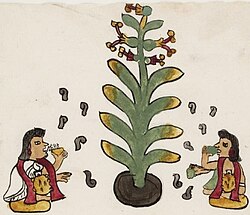
As a primarily religious document, the Codex Tudela meticulously details the spiritual framework of the Aztec civilization. It provides extensive information on the various deities and the specific religious rites and ceremonies required to honor them. This includes specialized rituals concerning disease, death, and even the "gods of the drunk."
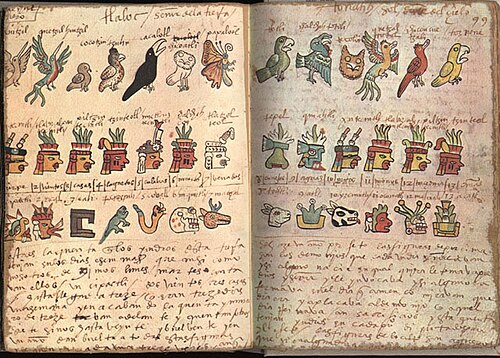
One of the most critical aspects of the codex is its depiction of the Aztec calendar. These records include the "birds of the day" and the "lords of the night," which were essential for determining the spiritual significance of specific dates and guiding the timing of rituals.
Provenance and History
The history of the Codex Tudela is relatively obscure until the mid-20th century. It was rediscovered in 1940, at which point the Spanish government purchased the manuscript. It is now housed in the Museo de América in Madrid, where it is sometimes referred to as the Códice del Museo de América. The document owes its current scholarly visibility to Sr José Tudela de la Orden, a staff member at the museum who brought the codex to the attention of the academic community.
| Feature | Details |
|---|---|
| Date of Origin | Mid-16th Century (approx. 1540 for Libro Indígena) |
| Material | European laid paper |
| Primary Themes | Religion, Cosmology, Calendars, and Rituals |
| Associated Group | Magliabechiano Group |
| Current Repository | Museo de América, Madrid |
Frequently Asked Questions
What is the Codex Tudela?
It is a 16th-century pictorial Aztec codex from the early colonial period in Mexico that documents religious rites, deities, and cosmological beliefs.
Where is the Codex Tudela located today?
The manuscript is currently held by the Museo de América in Madrid, Spain.
What are the three parts of the codex?
The codex is divided into the Libro Indígena (indigenous style), the Libro Pintado Europeo (European painted), and the Libro Escrito Europeo (European written).
Who is the codex named after?
It is named after Sr José Tudela de la Orden, who worked at the Museo de América and introduced the manuscript to scholars.
What specific religious topics does the codex cover?
The document details Aztec deities, religious ceremonies, calendars, and specific rituals related to death and disease.