Cochliasanthus caracalla: The Exquisite Corkscrew Vine
Often described as one of the most visually striking climbers in the botanical world, Cochliasanthus caracalla is a leguminous flowering plant that captures the imagination with its unique, spiraling blooms. Originally native to the tropical regions of Central and South America, this perennial vine has earned a reputation for its intoxicating fragrance and otherworldly appearance. Even Thomas Jefferson was captivated by its beauty, famously referring to it as "the most beautiful bean in the world."
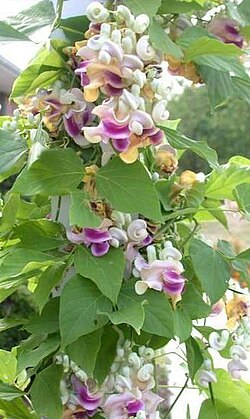
The plant's name, caracalla, is derived from the Portuguese word caracol, meaning snail, a nod to the distinctive curled shape of its flowers. While it is the sole member of its genus, it was previously classified under the genus Vigna. Today, it is widely known by common names such as corkscrew vine, snail vine, snail creeper, or snailflower.
Key Facts
- Scientific Name: Cochliasanthus caracalla
- Family: Fabaceae (Legumes)
- Common Names: Corkscrew vine, snail vine, snailflower, snail bean
- Flower Characteristics: Multicolored, highly fragrant, and spiral-shaped
- Growth Habit: Perennial climbing vine
- Hardiness: USDA Zones 9 and above
Distinguishing the True Corkscrew Vine
In the world of horticulture, confusion often arises between Cochliasanthus caracalla and Sigmoidotropis speciosa. Both are frequently sold under the name "snail vine," but they are distinct species with different characteristics.
Visual and Olfactory Differences
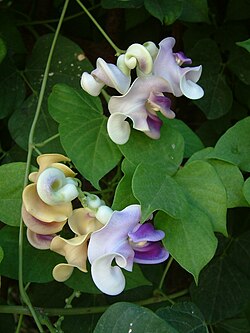
The most reliable way to tell them apart is through their flowers. The true corkscrew vine (C. caracalla) produces highly fragrant, multicolored blossoms that resemble nautilus shells. In contrast, Sigmoidotropis speciosa produces purple, non-fragrant flowers that have a snail-shell shape. While some gardeners attempt to distinguish them by leaf size or darkness, these traits can be subtle, and misidentification often only becomes apparent when the plants finally bloom.
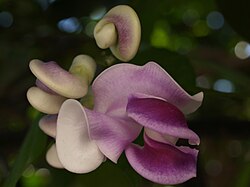
The fragrance of C. caracalla is another defining feature. It is so potent that it can reportedly be smelled from up to 15 feet away, with scents reminiscent of jasmine, magnolia, or Chinese wisteria. Interestingly, while the flowers attract pollinators like bumblebees and carpenter bees in its native Argentina, the plant's white buds also produce nectar that attracts ants, which assist in the pollination process.
Cultivation and Growth Requirements
To thrive, the corkscrew vine requires specific environmental conditions that mimic its tropical origins. It is a plant that loves heat and moisture.
Environment and Soil
This vine performs best in full sun to partial shade and requires consistently damp soil. It thrives in high heat and high humidity. Because it is less frost-tolerant than the common snail vine, it is best suited for USDA hardiness zones 9 and above. In colder climates, the plant can be successfully grown in containers, provided it is moved indoors to overwinter.
Sowing and Maintenance
For those growing from seed, spring is the ideal time to plant once the danger of frost has passed. The following steps are recommended for successful germination:
- Sowing: Plant seeds in ordinary soil, spaced two to three inches apart.
- Depth: Cover seeds with approximately half an inch of fine soil.
- Moisture: Keep the soil evenly moist and firm it lightly after sowing.
- Transplanting: If started indoors or in a greenhouse, move seedlings outside only when spring temperatures remain consistently above 50°F.
Once established, this vigorous climber can reach heights of up to twenty feet. It can also be propagated through cuttings.
Harvesting and Seed Production
The flowers typically bloom during late summer or autumn. If pollination is successful, the plant will produce seeds within pods, similar to pea pods.
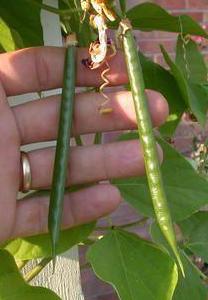
If you intend to harvest seeds for future planting, it is important to remove the pods while they are still green to protect them from winter temperatures. While the seeds are technically beans and may be edible, caution is advised as parts of the true corkscrew plant may be poisonous.
Seed Germination Tips
There is some debate among growers regarding whether to nick the seed coat to aid germination. A widely used alternative method is to soak the seeds in warm water overnight before sowing to encourage sprouting, which typically occurs within one to three weeks depending on the weather.
Summary of Plant Characteristics
| Feature | Description |
|---|---|
| Flower Shape | Spiral, corkscrew, or nautilus-shell shaped |
| Flower Color | White with purple streaks, fading to cream and yellow |
| Fragrance | Strong; similar to Jasmine or Magnolia |
| Preferred Climate | High heat, high humidity, and damp soil |
| Max Height | Approximately 20 feet |
Frequently Asked Questions
How can I tell the difference between Snail Vine and Corkscrew Vine?
The primary difference is the flower. The true Corkscrew Vine (C. caracalla) has highly fragrant, multicolored, spiral-shaped flowers, whereas the Snail Vine (Sigmoidotropis speciosa) has non-fragrant, purple, snail-shell shaped flowers.
Is the Corkscrew Vine invasive?
No, the Cochliasanthus caracalla is not considered an invasive plant.
What are the best growing conditions for this vine?
The vine thrives in full sun to partial shade, high heat, high humidity, and consistently damp soil. It is best suited for hardiness zones 9 and above.
Can I grow Corkscrew Vine in a cold climate?
Yes, but it must be grown in a pot and moved indoors to overwinter, as it is less frost-tolerant than other species often confused with it.
How long does it take for the seeds to sprout?
Depending on the weather conditions, seedlings typically sprout within one to three weeks after sowing.
Are the beans from this plant edible?
While the seeds are technically beans and could be edible, you should exercise caution because parts of the true Corkscrew plant may be poisonous.