Cochise: The Legendary Leader of the Chiricahua Apache
Cochise, known in his own language as Cheis (meaning "having the quality or strength of oak"), stands as one of the most formidable Apache leaders of the 19th century. Alongside figures like Geronimo and Mangas Coloradas, Cochise led a fierce resistance against Mexican and American intrusions into ancestral lands. A man of imposing presence, he stood approximately 6 feet (1.8 m) tall and weighed 175 pounds (79 kg), characterized by a muscular frame and traditional long, black hair.
Early Life and the Struggle for Sovereignty
Cochise and the Chokonen-Chiricahua people inhabited the northern regions of present-day Sonora, Mexico, as well as Arizona and New Mexico. Long before European colonization, these lands were their home. As Spain and later Mexico sought dominion over the region, the Chiricahua resisted. While the Apache initially won most of these conflicts, the Spanish eventually attempted a policy of pacification, providing firearms and liquor to create a state of dependence.
This stability vanished after Mexico gained independence from Spain. The "Galvez Peace Policy" ended, and by the 1830s, the Chiricahua resumed raiding to acquire the goods they could no longer purchase. The resulting military operations by the Mexican government reached a stalemate. However, the conflict became personal for Cochise when his father was killed in battle, fueling a lifelong resolve to seek vengeance against the Mexican forces.
In 1848, during a raid on Fronteras, Sonora, Cochise was captured by Mexican forces. He was eventually released in an exchange for nearly a dozen Mexican prisoners.
The Bascom Affair and the Outbreak of War
Following the Mexican War, the United States acquired much of the territory in 1850. For a brief period, peace prevailed; Cochise may have even supplied firewood to the Butterfield Overland Mail station at Apache Pass during the late 1850s. This peace was shattered in 1861 by the Bascom affair.
The conflict began when a raiding party—actually the Coyotero band, not Cochise's—kidnapped a rancher's 12-year-old stepson, Felix Ward (later known as Mickey Free). Lt. George Bascom mistakenly accused Cochise and attempted to arrest him during a meeting. Cochise escaped by slashing through the tent with a knife, an event remembered by descendants as "Cut the Tent." The situation escalated as both sides took and eventually executed hostages.
This betrayal sparked 11 years of relentless warfare. Cochise joined his father-in-law, the Chihenne-Chiricahua chief Mangas Coloradas, in a series of raids that devastated settlements in southern Arizona. While some estimates suggest thousands of casualties, most historians believe the death toll was a few hundred.
Military Conflicts and the Battle of Apache Pass
The Apache held a significant advantage for years due to their mastery of the harsh Southwest terrain and the U.S. government's distraction with the American Civil War. However, the tide shifted during the Battle of Apache Pass in 1862. In a rare pitched battle, California volunteers used howitzer fire to rout Cochise, Mangas Coloradas, and approximately 500 warriors from their rocky positions.
The defeat forced the Apache back to guerrilla-style hit-and-run tactics. The conflict grew more bitter in January 1863 when Gen. Joseph R. West captured Mangas Coloradas under a flag of truce; the chief was subsequently executed. This act of treachery deepened Cochise's enmity toward the American military.
Key Facts
- Name Meaning: Cheis means "having the quality or strength of oak."
- Physical Stature: Approximately 6 feet tall and 175 pounds.
- Catalyst for War: The "Bascom affair" and the "Cut the Tent" incident of 1861.
- Key Ally: His father-in-law, Chief Mangas Coloradas.
- Tactics: Primarily guerrilla warfare, though they fought a pitched battle at Apache Pass.
- Peace Treaty: Negotiated on October 12, 1872, with the help of Tom Jeffords.
Final Years and Legacy
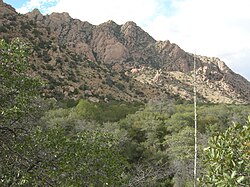
By the late 1860s, Cochise and his followers used the Dragoon Mountains as a strategic base for their operations.
In 1872, General Oliver O. Howard, along with Lt. Joseph A. Sladen and Capt. Samuel S. Sumner, sought a peaceful resolution. Facilitated by Tom Jeffords—Cochise's only white friend—a peace treaty was signed on October 12, 1872. Historians believe Geronimo served as the Spanish interpreter during these negotiations.
Cochise retired to the Chiricahua Reservation, where he lived until his death from natural causes (likely abdominal cancer) in 1874. He was buried in the rocks of the Dragoon Mountains at a site now known as the Cochise Stronghold. The exact location of his grave remains a secret known only to his people and Tom Jeffords.
| Period/Event | Key Details | Outcome |
|---|---|---|
| Early 19th Century | Resistance against Spain/Mexico | Cycles of warfare; temporary pacification |
| 1861 | Bascom Affair | Outbreak of 11 years of war |
| 1862 | Battle of Apache Pass | Apache routed by howitzer fire |
| 1872 | Peace Treaty | Cochise retires to reservation |
| 1874 | Death | Buried in the Dragoon Mountains |
Frequently Asked Questions
What was the "Bascom affair"?
The Bascom affair was a 1861 incident where Lt. George Bascom mistakenly accused Cochise of kidnapping a boy. The attempted arrest led to a violent escape and the subsequent execution of hostages, triggering over a decade of war.
Who was Mangas Coloradas?
Mangas Coloradas was a powerful Chihenne-Chiricahua chief and the father-in-law of Cochise. He was a key leader in the resistance against settlers until his capture and execution in 1863.
Where is Cochise buried?
Cochise is buried in the rocks above one of his favorite camps in the Dragoon Mountains of Arizona, a location now called the Cochise Stronghold. The exact spot has never been disclosed.
Did Geronimo know Cochise?
Yes, modern historians believe Geronimo served as the Spanish interpreter during the 1872 peace negotiations between Cochise and the U.S. government.
Is there a known portrait of Cochise?
No verified likeness of Cochise exists. A portrait often attributed to him is actually of a man named Juan Rey Abeita from the Pueblo of Isleta, painted in 1903.