CLTS Sanitation: Challenges in Behavioral Change and Sustainability
Community-Led Total Sanitation (CLTS) is an approach designed to eliminate open defecation by triggering a collective desire for change within a community. Unlike traditional programs that focus on providing hardware, CLTS emphasizes behavioral change and community mobilization. However, while the method has seen widespread adoption, it faces significant challenges regarding human rights, technical standards, and long-term sustainability.
Key Facts
- Behavioral Triggering: CLTS uses shame and shock to raise awareness about the impacts of open defecation.
- Technical Flexibility: The approach does not mandate specific toilet standards to keep initial costs low.
- Sustainability Issues: High "slippage rates" occur when communities return to open defecation after being declared Open Defecation Free (ODF).
- Human Rights Risks: The use of shaming can lead to coercion, fines, and public humiliation.
- Environmental Concerns: Lack of technical guidelines can lead to groundwater contamination in flood-prone areas.
Human Rights and the Ethics of Shaming
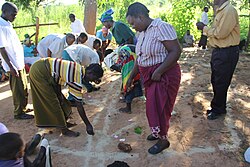
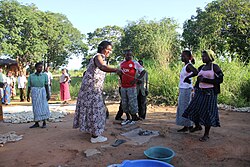
The core of the CLTS process is the "triggering" phase, which aims to create a collective consciousness regarding the dangers of open defecation. By using shame, the process intends to shock participants into self-awareness. While intended to be a catalyst for change, this method can inadvertently infringe upon human rights.
Reports have indicated that some practitioners have resorted to coercive measures, including monetary and non-monetary fines, withholding entitlements, public taunting, and the posting of humiliating photographs. Catarina de Albuquerque, the former United Nations Special Rapporteur on the Right to Water and Sanitation, has noted that these incentives for behavior change are sometimes unacceptable.
To align CLTS with a human rights-based approach, there is a critical need for more rigorous coaching of government health officials, local leaders, and practitioners. Training must focus on social norms, stigma, and the impact of pre-existing inequalities to ensure that sanitation success is not built on coercion.
Technical Standards and Environmental Impact
One of the defining features of CLTS is that it does not specify technical standards for toilets. This flexibility allows villagers to build facilities immediately and at a very low cost. However, this lack of guidance creates two primary risks:
- Water Contamination: In flood plains or areas with high water tables, poorly constructed latrines can contaminate the groundwater, offering little actual improvement in health.
- Low Long-Term Utility: The long-term use of a facility depends on its pleasantness. Dirty or overflowing pits are frequently abandoned by users.
Furthermore, CLTS often fails to address the "supply-side" of sanitation, such as latrine emptying services and waste disposal. Without information on alternative options—such as composting toilets or urine-diverting dry toilets—villagers may choose pour-flush pit latrines even when they are unsuitable for the local environment.
The Conflict with Agricultural Reuse
In many regions, treated human excreta is used as a valuable fertilizer in agriculture. However, because the CLTS approach associates feces with strong negative connotations to discourage open defecation, it can inadvertently confuse villagers. This negative framing may discourage the safe and productive reuse of treated human waste in farming.

Sustainability and the "Slippage Rate"
A major concern for public health officials is the sustainability of the ODF (Open Defecation Free) status. "Slippage" occurs when individuals or communities return to open defecation months after the initial CLTS process.
A 2013 study by Plan Australia across several African countries highlighted this trend. While 87% of 4,960 households in 116 ODF villages had functioning latrines after two years, these were the most basic types, and no communities had improved their sanitation level. Additionally, only 37% of these households had handwashing facilities. When broader ODF criteria were applied, the study found an overall slippage rate of 92%. A subsequent study in 2018 found little evidence that CLTS alone resulted in sustained sanitation behavior change.
| Focus Area | CLTS Approach | Potential Negative Outcome |
|---|---|---|
| Behavioral Change | Use of shame and shock | Human rights violations and coercion |
| Construction | No specified technical standards | Groundwater contamination |
| Waste Management | Focus on containment | Lack of emptying services; discouraged fertilizer reuse |
| Sustainability | Community-led triggering | High slippage rates (up to 92% in some studies) |
Frequently Asked Questions
What is the "slippage rate" in CLTS?
The slippage rate refers to the percentage of people or communities that return to practicing open defecation after they were previously declared Open Defecation Free (ODF).
Why does CLTS avoid setting technical toilet standards?
By not specifying standards, CLTS keeps construction costs very low, which allows villagers to build their own facilities immediately without waiting for external funding or materials.
How can the shaming process in CLTS violate human rights?
While intended to raise awareness, the process can lead to bad practices such as public taunting, the use of humiliating photographs, monetary fines, or even violence against those who continue to practice open defecation.
Does CLTS address the disposal of waste from latrines?
No, CLTS generally does not address latrine emptying services or the methods for disposing of waste once a pit is full.
Can CLTS affect agricultural practices?
Yes. Because CLTS emphasizes the negative aspects of feces to stop open defecation, it can discourage villagers from using treated human excreta as a fertilizer, a practice common in some agricultural systems.