Chuck Berry: The Architect of Rock and Roll
Few figures have left as indelible a mark on global culture as Chuck Berry. Known widely as the "Father of Rock and Roll," Berry was not merely a musician but a visionary who bridged the gap between rhythm and blues and the high-energy sound that would define a generation. Through his innovative guitar work and storytelling lyrics, he transformed music into a reflection of youth culture, consumerism, and the teenage experience.
Born Charles Edward Anderson Berry on October 18, 1926, he spent his career refining the elements of rock and roll, blending showmanship with technical precision. His influence extended far beyond his own recordings, shaping the trajectory of nearly every rock artist who followed.
Key Facts
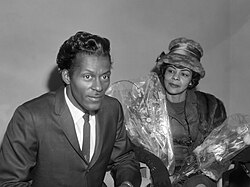
- Full Name: Charles Edward Anderson Berry
- Nickname: Father of Rock and Roll
- Active Years: 1953–2017
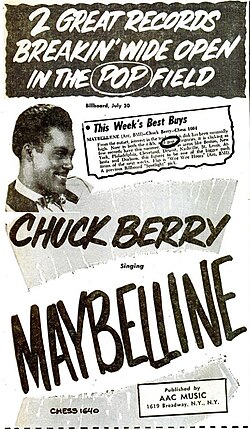
- Defining Hits: "Maybellene," "Roll Over Beethoven," "Rock and Roll Music," and "Johnny B. Goode"
- Primary Instruments: Vocals and Guitar
- Major Labels: Chess, Mercury, Atco, and Dualtone
The Evolution of a Sound
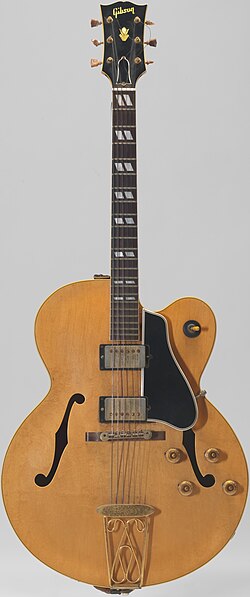
Chuck Berry's musical journey began in the early 1950s, but it was his signing with Chess Records between 1955 and 1962 that catapulted him to stardom. During this era, he released a string of hits that established the blueprint for the genre. By integrating guitar solos as a central feature of the song and writing lyrics that resonated with teenagers, Berry created a new musical language.
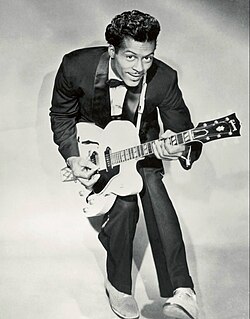
His style was characterized by a unique blend of rhythm and blues (a genre combining elements of jazz, gospel, and blues) and a driving beat. This evolution is most evident in tracks like "Maybellene" (1955) and "Johnny B. Goode" (1958), which became anthems of the rock era.
Career Transitions and Later Years
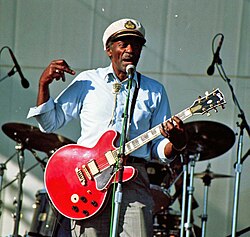
Throughout the 1960s, Berry moved between labels, including a period with Mercury Records where he released "Nadine." Despite various legal challenges—including a 1979 conviction for evading approximately $110,000 in federal income tax—Berry remained a relentless performer. He continued to tour and record well into his later years, maintaining a presence on the road until his passing.
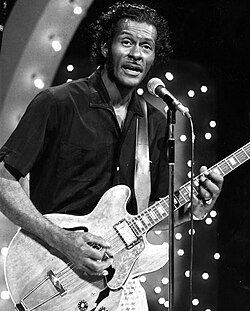
Even in his final decade, Berry's passion for music remained. In 2016, at the age of 90, he announced his first studio album in 38 years, titled Chuck, which was released in 2017.

Legacy and Impact
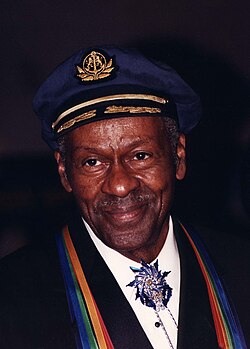
Chuck Berry's legacy is measured not just in record sales, but in the very structure of modern music. His emphasis on the electric guitar as a lead instrument and his ability to capture the zeitgeist of youth culture made him a primary influence on the British Invasion and subsequent rock movements.
| Category | Details |
|---|---|
| Born/Died | October 18, 1926 – March 18, 2017 |
| Key Genres | Rock and Roll, Rhythm and Blues |
| Notable Albums | After School Session, One Dozen Berrys, Rockit, Chuck |
| Resting Place | Bellerive Gardens Cemetery, St. Louis |
Frequently Asked Questions
Why is Chuck Berry called the "Father of Rock and Roll"?
He is given this title because he refined rhythm and blues into the distinctive elements of rock and roll, specifically through his guitar-driven sound and lyrics focused on teenage life.
What were some of Chuck Berry's most influential songs?
His most influential works include "Maybellene," "Roll Over Beethoven," "Rock and Roll Music," and the iconic "Johnny B. Goode."
Which record labels did Chuck Berry work with?
Berry recorded for several major labels throughout his career, most notably Chess, Mercury, Atco, and Dualtone.
Did Chuck Berry release music late in his life?
Yes, Berry announced and released the studio album Chuck in 2017, marking his first studio album in 38 years.
What happened to Chuck Berry in 1979?
In 1979, Berry pleaded guilty to evading nearly $110,000 in federal income tax from his 1973 earnings and was sentenced to 120 days in prison.