Chiswick Empire: The Rise and Resilience of a Historic Music Hall
The story of the Chiswick Empire is a fascinating glimpse into the social and cultural tensions of early 20th-century England. Established during an era of rapid urban growth, this venue became a cornerstone of local entertainment, surviving both public outcry and a devastating act of political arson.
The Controversial Beginnings
In 1910, theatre owner and manager Oswald Stoll proposed the construction of a music hall on Chiswick High Road, facing Turnham Green. The proposal sparked a heated public debate. Many local residents opposed the plan, arguing that a music hall was unsuitable for a select residential area. Some critics expressed moral concerns, suggesting that such venues encouraged the working class to waste money, claiming a lack of thrift was a weakness of the English race.
Despite this opposition, the project found significant support, evidenced by a petition signed by 2,000 people. Permission was eventually granted, leading to the demolition of several shops and a local smithy to make room for the theatre at 414 Chiswick High Road.
Architectural Grandeur and Design
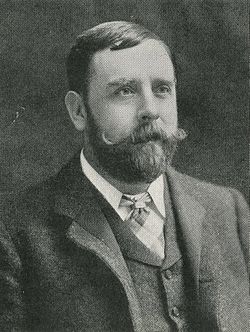
The theatre was designed by the renowned architect Frank Matcham. He utilized a "Jacobean" style—a revival of early 17th-century English architecture—similar to the design of the London Palladium.
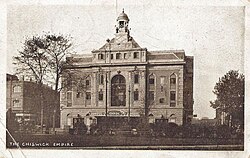
The auditorium was designed for a capacity of 1,948 patrons, distributed across the Stalls (890), the Dress Circle (454), the Balcony (554), and eight private boxes. The layout featured a large, two-storey central opening with an open verandah. The stage boasted a proscenium width of 44 feet, an orchestra pit capable of holding 15 musicians, and 10 dressing rooms behind the scenes.
One unique architectural innovation was a sliding roof. Although it was rarely used, opening the roof often resulted in clouds of dust falling onto the audience.
Opening and the Suffragette Fire
The Chiswick Empire officially opened on September 2, 1912, debuting with a Variety bill—a series of unrelated acts such as comedy, song, and magic—featuring the most popular performers of the era. While primarily a variety venue, it also hosted plays.
Tragedy struck on August 19, 1913. While the theatre was empty, suffragettes doused the interior with oil and set a fire. The blaze spread rapidly, destroying the stage and causing significant damage to the auditorium. However, the venue was resilient; after a restoration costing £12,000, it reopened three months later with a production of The Miracle.
A Legacy of Performance
The Empire became famous for its annual Christmas pantomimes—traditional comedic musical plays. Notable performers over the decades included George Formby Sr in 1915, Dorothy Ward and Shaun Glenville in Jack and the Beanstalk (1949), and Alma Cogan in Aladdin and His Wonderful Lamp (1955).
Beyond pantomimes, the theatre hosted legendary entertainers such as Gladys Cooper, Marie Lloyd, and Vesta Tilley in 1915. It also served as a site for philanthropy; in January 1917, Clara Butt performed in charity matinees, and Queen Alexandra attended a concert to benefit the Chiswick Memorial Homes.
Key Facts
- Architect: Designed by Frank Matcham in a Jacobean style.
- Capacity: 1,948 seats across the Stalls, Dress Circle, and Balcony.
- Opening Date: September 2, 1912.
- Major Incident: A fire started by suffragettes in August 1913.
- Restoration Cost: £12,000 following the 1913 fire.
- Notable Feature: A sliding roof that occasionally dropped dust on patrons.
| Feature | Detail |
|---|---|
| Total Capacity | 1,948 |
| Stalls Seating | 890 |
| Dress Circle Seating | 454 |
| Balcony Seating | 554 |
| Private Boxes | 8 |
| Proscenium Width | 44 feet |
| Orchestra Pit Capacity | 15 musicians |
Frequently Asked Questions
Who was the architect of the Chiswick Empire?
The theatre was designed by Frank Matcham, who used a Jacobean style similar to that of the London Palladium.
Why was there local opposition to the theatre's construction?
Some residents felt a music hall was unsuitable for a select residential area, while others believed such venues encouraged the working class to be less thrifty with their money.
What caused the fire in 1913?
The fire was started by suffragettes who used oil to ensure the flames spread rapidly through the interior of the building.
What was the "innovation" regarding the roof?
The theatre featured a sliding roof, though it was seldom used because it caused dust to fall on the audience when opened.
Which famous figures visited or performed at the Empire?
Performers included George Formby Sr, Alma Cogan, and Marie Lloyd. Additionally, Queen Alexandra attended a concert there for the Chiswick Memorial Homes.