Ceremony and Ritual: The Art and Purpose of Human Celebration
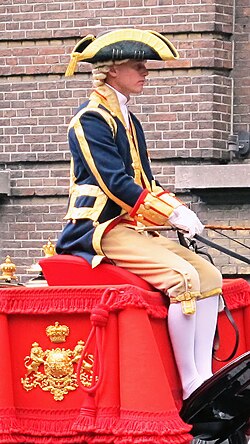
A ceremony is a unified ritualistic event designed with a specific purpose. These events typically blend various artistic components and are performed on special occasions to mark significant transitions or milestones. Etymologically, the word may find its roots in the Etruscan language via the Latin caerimonia.
Whether religious or secular, ceremonies serve as powerful tools for psychological, social, and cultural influence. While the music, language, and structure may differ, the underlying goal remains the same: to create a meaningful experience that resonates with the participants and the community.
Key Facts
- Universal Purpose: Ceremonies provide psychological stability, a sense of identity, and reinforcement of cultural values.
- Secular Evolution: The modern civil celebrant movement was pioneered by Australian Senator Lionel Murphy in 1973.
- Shared Roots: Many Western wedding traditions, such as bridesmaids and the exchange of rings, date back to pre-Christian Greek and Roman times.
- Artistic Integration: Effective ceremonies utilize the visual and performing arts—including music, poetry, and choreography—to create lasting memories.
- Global Reach: The Australian model of civil celebrancy has influenced practices in Canada, New Zealand, the UK, and parts of the US.
Religious vs. Civil Ceremonies
Scholars Dally Messenger and Alain de Botton note that in most Western countries, the values expressed in church and civil ceremonies are remarkably similar. The primary distinction lies in the "supernatural infrastructure"—the belief in a deity or divine intervention. For example, Roman Catholics believe that during the mass, God becomes actually present on the altar through words of consecration.
Despite these theological differences, both forms of ceremony aim for the same psychological and social impact. De Botton argues that atheists and secular societies can benefit from appropriating the symbolism, artistic treasures, and sense of community found in religious traditions without adopting the supernatural claims.
The Rise of the Civil Celebrant
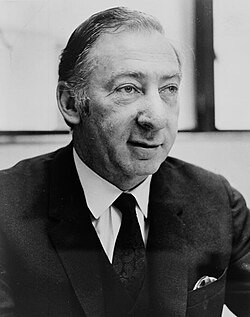
The development of high-quality secular ceremonies in the West was largely driven by the foresight of Lionel Murphy, an Australian statesman and High Court judge. In 1973, Australia established a civil celebrant program to provide non-religious individuals with ceremonies characterized by substance and dignity.
According to Dally Messenger III, these secular ceremonies act as "roadmaps" toward an ethical and dignified life. This perspective aligns with mythologist Joseph Campbell, who asserted that a society's level of civilized behavior is directly linked to its practice of ceremonies and rites of passage (rituals reflecting a change in social status).
The Components of an Effective Ceremony
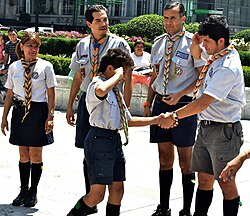
To be powerful, a ceremony must have a tangible impact, which is achieved by framing the event through the visual and performing arts. Key elements include:
- Literary Arts: The use of poetry, prose, storytelling, and myths.
- Performing Arts: Music, song, dance, and carefully planned choreography.
- Atmosphere: The use of beautiful interior and exterior settings to "raise the spirit" and embed the experience in memory.
- Symbolism: The use of shared meditations and symbolic gestures to communicate love, acceptance, and identity.
The Role of the Celebrant
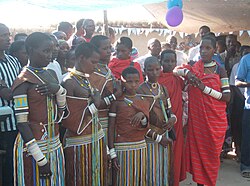
Because ceremonies are core expressions of culture, the person leading them must possess a specific skill set. Lionel Murphy emphasized that a civil celebrant should be professional, creative, imaginative, and educated in the humanities. Their role is to expertly co-create and perform ceremonies that improve lives at a deep, lasting level.
Common Ceremonial Occasions
Ceremonies mark the most critical transitions of the human experience, from birth to death.
| Category | Examples | Primary Purpose |
|---|---|---|
| Life Transitions | Weddings, Naming Ceremonies, Funerals | Marking birth, union, and death |
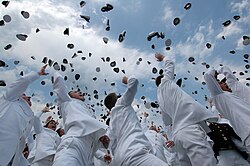
| Coming of Age | Bar/Bat Mitzvahs, Graduation, Puberty rites | Transitioning to social adulthood |
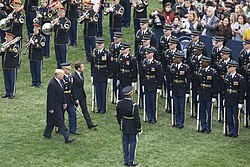
| Professional/Civic | Inaugurations, Award ceremonies, Retirements | Recognizing achievement or office |
| Seasonal/Annual | Solstices, Equinoxes, Sabbath, Olympic Games | Marking time and community unity |
| Cultural/Special | Tea ceremonies, Coronations, Victory parades | Expressing cultural identity and power |
Among these, the wedding is often considered the flagship ceremony of any culture. Similarly, funeral rituals provide a symbolic means of expressing grief, acknowledging the reality of death, and offering hope and continuity for the living.
The Process of Ceremony
Most ceremonies combine physical displays with verbal pronouncements. Physical components may include processions, dance, or the laying on of hands. These are often capped by a declaratory statement, such as "I now pronounce you husband and wife" or "I declare open the games." When these elements are formalized, they become part of a liturgy (a customary public worship or ritual).
Frequently Asked Questions
What is the main difference between a religious and a civil ceremony?
The primary difference is the presence of a "supernatural infrastructure." Religious ceremonies often claim a divine advantage or the presence of a deity, whereas civil ceremonies focus on human values, community, and psychological stability without supernatural elements.
Who started the modern civil celebrant movement?
The movement was pioneered in 1973 by Australian Senator and High Court judge Lionel Murphy, who sought to provide non-church people with dignified, substantive ceremonies.
Why are ceremonies considered important for society?
Ceremonies help humans adjust to change, reinforce cultural values, and provide a sense of identity and self-worth. They are seen as essential for maintaining a civilized, stable, and happy society.
What makes a ceremony "effective"?
An effective ceremony is one that utilizes the visual and performing arts—such as music, poetry, and beautiful settings—to create a powerful emotional impact and a lasting memory.
What are some examples of ancient traditions still used in modern weddings?
Many Western wedding traditions originate from pre-Christian Roman and Greek times, including the use of bridesmaids and best men, the exchange of rings, the wedding cake, and the signing of a contract.