Cattle in Religion: Sacred Status and Cultural Significance
Across human history, cattle have occupied a unique position in the spiritual and social fabric of various civilizations. From being revered as divine symbols of life and prosperity to serving as central figures in sacrificial rites, the relationship between humans and cattle reflects deep-seated ethical, religious, and cultural values. While most prominently associated with the Indian subcontinent, the significance of cattle extends to ancient Mediterranean societies, East Asia, and traditional African religions.
Key Facts
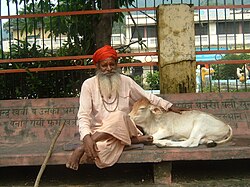
- Ahimsa (non-violence) is the core ethical driver for cattle protection in Hinduism, Jainism, and Buddhism.
- In Hinduism, killing a cow has historically been equated with the killing of a human being, specifically a Brahmin.
- India has the lowest rate of meat consumption globally, with more vegetarians than the rest of the world combined.
- Cattle veneration is not limited to India; it appears in ancient Egyptian, Nubian, and some Chinese folk traditions.
- Legal bans on cattle slaughter have occurred in various forms in India, Nepal, and historically in Myanmar.
Cattle in Indian Religions
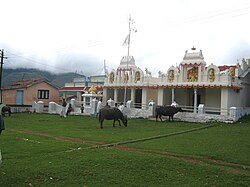
In the Indian religious landscape, cattle are viewed with profound respect. This veneration is rooted in Ahimsa, the principle of non-violence toward all living beings. Mentioned as early as the Chandogya Upanishad (~800 BCE), this ethic evolved by the mid-1st millennium BCE into a shared value among Hinduism, Buddhism, and Jainism, influencing beliefs regarding rebirth and karma.
Hinduism and the Sacred Cow
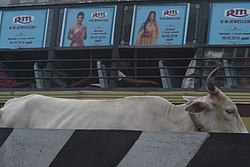
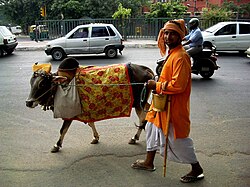
In Hinduism, the cow is more than just an animal; it is a symbol of life and sustenance. Vedic texts emphasize non-violence toward all creatures, and the Atharvaveda (~1200–1500 BCE) specifically condemns the killing of men, cattle, and horses, calling upon the god Agni to punish such acts.
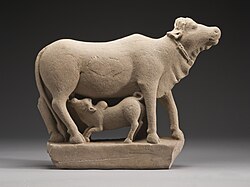
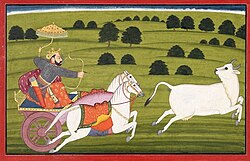
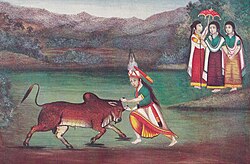
The spiritual connection is further illustrated in mythology, such as the stories of the god Krishna, who is frequently depicted playing music for cows, and Prithu, who milked the earth in the form of a cow to provide crops for humanity.

By approximately 200 CE, the consumption of meat from slaughtered animals became a widespread religious and social taboo. Today, this manifests in the beef-eating taboo, which remains a core tenet of Hindu nationalism and, in some instances, has been used to justify vigilante violence.
Jainism and Buddhism
Jainism and Buddhism also champion non-violence. In Buddhism, certain trades—including the trading of meat and living beings—are discouraged for lay followers. While the degree of reverence varies, the overarching goal is the reduction of suffering for all sentient beings.
Global Perspectives on Cattle
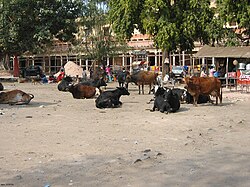
Beyond India, cattle have played pivotal roles in the spiritual lives of diverse ancient and modern societies.
Ancient Civilizations
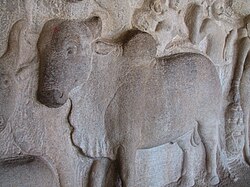
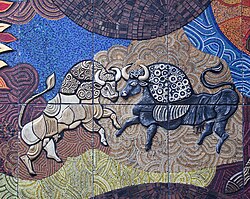
In ancient Egypt and Nubia, cattle were central to both economy and religion. In Nubia, evidence of cattle horn deformation suggests a complex cultural relationship with the animals. Similarly, ancient Mediterranean and Northern European cultures integrated bulls into their mythology and ritual practices.
East Asia and Other Regions
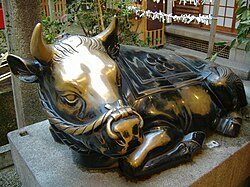
In China and Taiwan, beef taboos have existed historically, often linked to the animal's utility in agriculture. In Japan, divine-ranking bulls, known as Shingyu, are honored in specific religious contexts.
Abrahamic Religions
The role of cattle in Abrahamic faiths is varied. In Judaism and Islam, cattle are important livestock, though specific dietary laws (Kosher and Halal) govern their slaughter and consumption. Conversely, the worship of the "golden calf" is mentioned in disparaging terms in the Quran and the Bible, representing a deviation from monotheism.
Legal and Social Implications
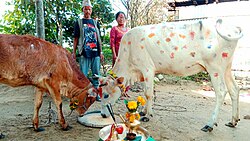
The sacred status of cattle often translates into legal protections. In many Indian states, the slaughter of cattle is prohibited by law. Nepal also maintains strong protections for cows, often integrating them into festivals like Tihar.
Historically, Myanmar experienced a brief nationwide ban on cattle slaughter under the State Religion Promotion Act of 1961, which lasted until a coup d'état led by Ne Win repealed the law a year later.
The social tension surrounding these beliefs can be significant. A historical survey of communal riots in India between 1717 and 1977 found that 22 out of 167 incidents between Hindus and Muslims were directly linked to cow slaughter.
![A pamphlet protesting cow slaughter, first created in 1893. A meat eater (mansahari) is shown as a demon with sword, with a man telling him "don't kill, cow is life-source for all". It was interpreted by Muslims in British Raj to be representing them.[40] Redrawn the Raja Ravi Varma (c. 1897).](/images/5f/de/5fdea26b97b55abc4192990e360cf2ed8aa6053445f256e73afdefc40a8af0de.jpg)
| Religion/Culture | Primary Status | Key Belief/Practice |
|---|---|---|
| Hinduism | Sacred/Venerated | Ahimsa; beef is generally taboo. |
| Jainism/Buddhism | Respected | Emphasis on non-violence and compassion. |
| Ancient Egypt/Nubia | Ritualistic/Economic | Central to mythology and horn deformation. |
| Abrahamic Faiths | Livestock | Dietary laws; rejection of calf worship. |
| Chinese Folk Religion | Utility/Taboo | Historical beef taboos due to agricultural value. |
Frequently Asked Questions

Why is the cow considered sacred in Hinduism?
The cow is revered primarily due to the principle of Ahimsa (non-violence) and its role as a provider of life-sustaining milk, making it a symbol of motherhood and selfless giving.
Is the beef taboo universal across all Indian religions?
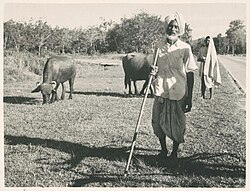
While Hinduism, Jainism, and Buddhism all emphasize non-violence, the intensity of the taboo varies. For example, historical reports suggest that Sikhs, while viewing the cow as very useful, may not adhere to the same strict dietary restrictions as some Hindus.
Were cattle used in sacrifices in other religions?
Yes. While some religions forbid slaughter, others have used cattle in ritual sacrifices, such as in certain Miao folk religions or ancient Mediterranean practices.
What is a goshala?
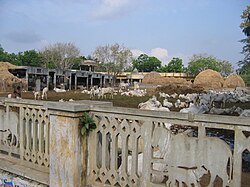
A goshala is a cow shelter in India dedicated to the care and protection of cattle, often serving as a sanctuary for unwanted or old cows.
Has Myanmar ever banned cow slaughter?
Yes, the Burmese Parliament passed the State Religion Promotion Act of 1961 which banned cattle slaughter nationwide, though this was repealed in 1962 after a coup d'état.