Canadian Rock Music: A History of Influence and Innovation
Rock music in Canada is a vast and diverse landscape that has evolved from early influences into a global powerhouse. Beginning in the mid-20th century with styles borrowed from American and British rock and roll, Canada has since carved out its own identity, leaving a significant mark on the development of modern popular music. From intimate folk-rock melodies to the thunderous sounds of heavy metal, the nation has produced some of the genre's most iconic performers and groups.
The Canadian contribution extends beyond individual stars; the country has played a substantive role in shaping various subgenres, including pop rock, progressive rock, country rock, folk rock, hard rock, punk rock, heavy metal, and indie rock.
Key Facts

- Origins: Emerged in the mid-20th century, influenced by American and British rock and roll.
- Early Influence: Early Canadians near the border accessed the genre via American radio broadcasts of electric blues and rhythm and blues.
- Genre Diversity: Significant contributions to everything from indie rock and punk to progressive and hard rock.
- Global Impact: Canada has produced numerous world-renowned artists and chart-topping groups.
The Roots of Canadian Rock

Rock and roll first surfaced in the United States during the late 1940s, following World War II. It was born from a fusion of African American blues, gospel, and country music. While elements of this sound appeared in Canadian country records as early as the 1930s and 1940s, the specific term "rock and roll" did not gain traction until the 1950s.
The early adoption of the genre in Canada was heavily influenced by geography. Canadians living near the U.S. border were able to tune into American radio stations, introducing them to electric blues (specifically Chicago blues) and rhythm and blues (Jump blues) in the late 1940s.

Evolution and Diversification

As the genre matured, Canada moved from imitating foreign styles to innovating its own. This evolution saw the rise of diverse sounds that mirrored the country's cultural breadth. The transition from the raw energy of the 1950s led to the sophisticated arrangements of progressive rock and the storytelling nature of folk rock.

The industry's growth was supported by a variety of artists who found success both domestically and internationally. These performers helped establish Canada as a hub for musical talent, spanning multiple decades of stylistic shifts.

The Rise of Hard Rock and Metal
By the later decades, Canada became a stronghold for heavier sounds. Hard rock and heavy metal found a dedicated audience, with Canadian bands contributing to the global popularity of these high-energy subgenres.

Pop, Indie, and Alternative Movements
The landscape further expanded with the emergence of indie rock and pop-rock. These genres allowed for more experimental sounds and personal songwriting, leading to a new wave of artists who dominated the charts in the 1990s and 2000s.

Prominent Figures in Canadian Rock
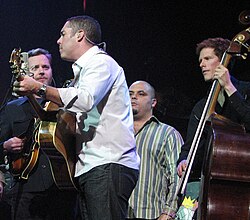
Canada's musical legacy is defined by a wide array of artists who have achieved legendary status. From the soulful vocals of Céline Dion to the gritty rock of Nickelback and the alternative influence of Alanis Morissette, the variety is immense.
| Artist/Group | Associated Style | Notable Era/Context |
|---|---|---|
| Neil Young | Folk Rock / Rock | Legendary Songwriter |
| Rush | Progressive Rock | Technical Innovation |
| The Tragically Hip | Alternative Rock | Canadian Cultural Icons |
| Bryan Adams | Pop Rock | Global Chart Success |
| Céline Dion | Pop / Adult Contemporary | Best-selling Canadian Act |
| Alanis Morissette | Alternative Rock | 1990s Global Influence |
| Nickelback | Hard Rock | 2000s Commercial Success |

Frequently Asked Questions



When did rock and roll start in Canada?
While elements existed in country records in the 1930s and 40s, rock and roll as a named genre emerged in the 1950s, following the influence of American radio broadcasts in the late 1940s.
What are the most popular rock subgenres in Canada?
Canada has contributed significantly to pop rock, progressive rock, country rock, folk rock, hard rock, punk rock, heavy metal, and indie rock.
How did early Canadians discover rock music?
Many Canadians living near the American border discovered the sounds of electric blues and rhythm and blues by tuning into American radio stations in the late 1940s.
Who is considered the best-selling Canadian act?
Céline Dion has been recognized as the all-time best-selling Canadian act.
What influenced the early sound of Canadian rock?
The early sound was a combination of American and British rock and roll, which itself was a blend of African American blues, country, and gospel music.