Canadian Revenue Stamps: A History of National and Regional Issues
Revenue stamps, also known as fiscal stamps, served as a primary method for the government to collect taxes and fees on legal documents, licenses, and commercial transactions. In Canada, these stamps played a vital role in administrative finance for over a century, reflecting the complex political and geographic structure of the nation.
The issuance of revenue stamps in Canada spanned a significant era, beginning in 1864 and continuing until 2005. While national issues were common, the Canadian system was characterized by a diverse array of regional stamps issued by provinces and specific municipalities.
Key Facts
- Duration: Revenue stamps were issued in Canada from 1864 to 2005.
- Scope: Issues were produced at national, provincial, and municipal levels.
- Regional Diversity: Eleven provinces and territories, along with five specific cities or regions, issued their own stamps.
National and Provincial Issuance
While the federal government managed national revenue stamps, individual provinces maintained their own systems to collect local duties. This decentralized approach meant that collectors and historians can find a wide variety of stamps originating from different jurisdictions across the country.
The provinces and territories that issued their own revenue stamps include:
- Alberta
- British Columbia
- Manitoba
- New Brunswick
- Newfoundland
- Nova Scotia
- Ontario
- Prince Edward Island
- Quebec (historically referred to as Lower Canada)
- Saskatchewan
- Yukon
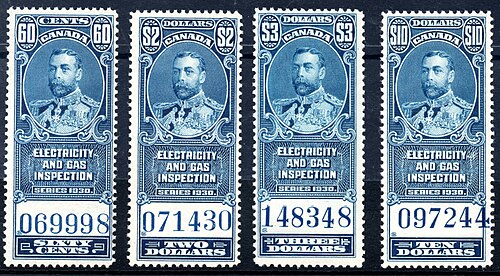
Municipal Revenue Stamps
Beyond the provincial level, certain cities and regions also issued their own stamps to manage local revenue requirements. This level of granularity highlights the localized nature of tax collection in early Canadian history.
Specific municipal and regional issuers included:
- Cape Breton
- Halifax
- Morden
- Saskatoon
- Winnipeg
Summary of Canadian Revenue Issuers
| Level of Government | Issuing Entities |
|---|---|
| National | Federal Government of Canada |
| Provincial/Territorial | Alberta, British Columbia, Manitoba, New Brunswick, Newfoundland, Nova Scotia, Ontario, Prince Edward Island, Quebec (Lower Canada), Saskatchewan, Yukon |
| Municipal/Regional | Cape Breton, Halifax, Morden, Saskatoon, Winnipeg |
Frequently Asked Questions
When were revenue stamps used in Canada?
Revenue stamps were issued and utilized in Canada from 1864 until 2005.
Which provinces issued their own revenue stamps?
Provincial issues were produced by Alberta, British Columbia, Manitoba, New Brunswick, Newfoundland, Nova Scotia, Ontario, Prince Edward Island, Quebec (Lower Canada), Saskatchewan, and Yukon.
Did Canadian cities issue their own revenue stamps?
Yes, several municipalities and regions issued their own stamps, including Halifax, Winnipeg, Saskatoon, Morden, and Cape Breton.
What is the difference between national and provincial revenue stamps?
National stamps were issued by the federal government for country-wide taxes, while provincial stamps were issued by individual provinces to collect local duties and fees.
Was Quebec referred to by another name in revenue stamp history?
Yes, in the context of revenue stamps, Quebec is also associated with the designation Lower Canada.