Canadian Honours System: Orders, Decorations, and Medals
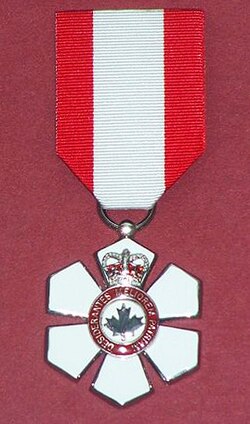
The Canadian honours system is a sophisticated framework used to recognize individuals who have performed deeds of exceptional merit or bravery for the benefit of their community or the nation. While its roots are modeled after the British system, Canada began developing its own distinct identity in the 1930s. This evolution reached a pivotal milestone in 1967 with the creation of the Order of Canada during the country's centennial celebrations.
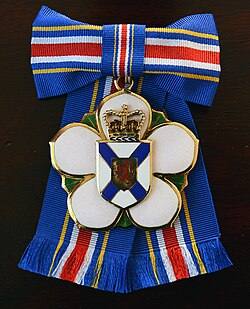
Today, the system encompasses a wide array of national and dynastic orders, civil and military decorations, and various campaign medals. Beyond the national level, the monarch in right of each province also issues distinct honours to recognize residents for provincial contributions. Some of these awards grant the recipient the use of post-nominal letters or specific heraldic devices for their personal coats of arms.
The Authority and Administration of Honours
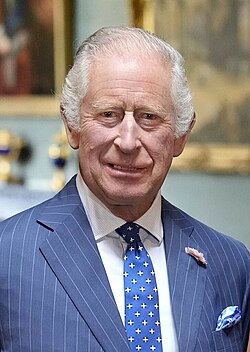
In the Canadian system, the monarch is recognized as the fount of all honours. This means the monarch is the only authority capable of creating new national honours and serves as the Sovereign of all Canadian orders. While the monarch or members of the royal family often conduct inductions, the monarch is represented in Canada by the governor general.
The governor general carries out investitures and distributes awards in the sovereign's name. The actual administration of these awards is managed by the Chancellery of Honours at Rideau Hall, which operates under the Office of the Secretary to the Governor General of Canada. Additionally, the governor general establishes the order of precedence—the specific order in which insignia and medals must be worn—via an order-in-council. At the regional level, lieutenant governors or commissioners handle provincial and territorial honours.
Key Facts
- The Sovereign is the sole authority who can create new national honours.
- The Order of Canada, established in 1967, is a cornerstone of the national system.
- Rideau Hall houses the Chancellery of Honours, which manages the system's administration.
- Provincial honours are distinct from national ones and are awarded by lieutenant governors.
- Post-nominal letters are often granted to recipients of specific orders and decorations.
National Orders and Decorations
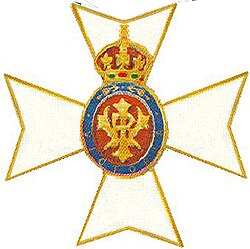
Canada utilizes several orders to recognize different spheres of excellence. These include the Order of Canada, the Order of Military Merit, and the Order of Merit of the Police Forces. There are also dynastic orders, such as the Royal Victorian Order, and the Order of the Hospital of Saint John of Jerusalem.
Valour and Bravery Decorations
Decorations are specifically designed to recognize acts of courage and service. These are divided into three primary categories:
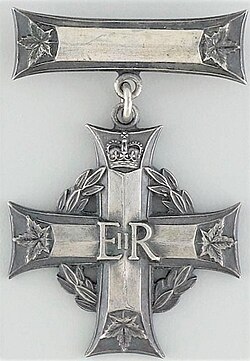
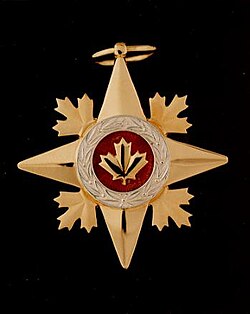
- Military Valour Decorations: Awarded for bravery in the face of the enemy, including the Star of Military Valour.
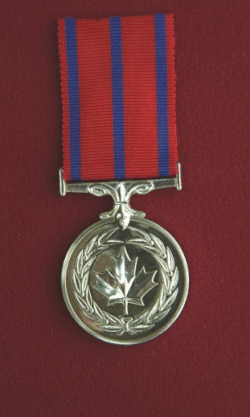
- Bravery Decorations: Awarded for courageous acts, such as the Canadian Medal of Bravery.
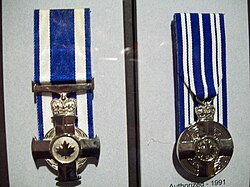
- Meritorious Service Decorations: Awarded for exceptional service, including the Meritorious Service Cross (military) and the Meritorious Service Medal (civil).
Medals and Commemorations
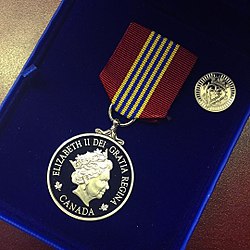
Medals in Canada serve various purposes, from recognizing sacrifice and combat service to marking historic milestones.
Campaign and Service Medals
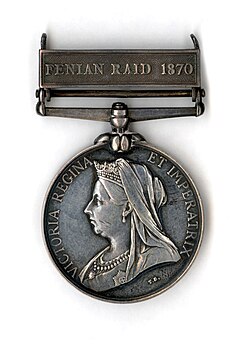
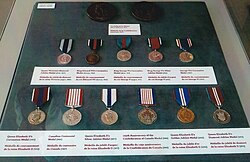
Campaign medals recognize service in specific conflicts or regions. Notable examples include the Korea Medal (1950–1953), the Gulf and Kuwait Medal (1990–1991), and the Somalia Medal (1992–1993). The General Campaign Star is unique in that it uses bars to denote different campaigns. Service medals, such as the Canadian Peacekeeping Service Medal, recognize broader categories of duty.
Commemorative and Long Service Medals
Commemorative medals mark significant royal or national events. These range from the 1867 Confederation Medal to the 2023 King Charles III Coronation Medal. Long service medals, such as the Royal Canadian Mounted Police Long Service Medal, recognize career longevity and good conduct.
Exemplary Service Medals
Specific medals are awarded for exemplary service in public safety and emergency roles, including those for Police, Corrections, Fire Services, the Canadian Coast Guard, Emergency Medical Services, and Peace Officers.
Summary of Canadian Honours
| Category | Purpose | Examples |
|---|---|---|
| National Orders | Exceptional merit and achievement | Order of Canada, Order of Military Merit |
| Valour/Bravery | Courage and heroism | Star of Military Valour, Medal of Bravery |
| Campaign | Combat or non-combat service in specific wars | Korea Medal, Somalia Medal |
| Commemorative | Marking historic milestones | Diamond Jubilee Medal, Coronation Medal |
| Exemplary Service | Long-term professional excellence | Police Exemplary Service Medal |
Frequently Asked Questions
Who is the fount of all honours in Canada?
The monarch is the fount of all honours, as they are the only person with the authority to create new national honours and serve as the Sovereign of all Canadian orders.
What is the role of the Governor General in the honours system?
The governor general represents the monarch in Canada, performing investitures, distributing awards, and setting the order of precedence for wearing insignia via order-in-council.
How do provincial honours differ from national honours?
Provincial honours are issued by the monarch in right of each province and are awarded by lieutenant governors or commissioners to recognize work performed specifically within that province.
What is the difference between a decoration and a medal?
Decorations, such as the Bravery Decorations, are typically awarded for specific acts of courage or merit, whereas medals may be awarded for campaign service, long service, or to commemorate a specific event.
Where is the administration of the national honours system located?
The administration is the responsibility of the Chancellery of Honours, located at Rideau Hall as part of the Office of the Secretary to the Governor General of Canada.