California Condor: The Epic Recovery of a Giant
The California condor (Gymnogyps californianus) is one of the most iconic symbols of wildlife conservation in North America. As a massive scavenger with a prehistoric appearance, this bird has faced a perilous journey from the brink of extinction to a gradual return to the skies of the American West. Once widespread across the continent, the species became a focal point for intensive biological intervention and international cooperation.
Historically, these birds played a vital role in their ecosystem by cleaning the landscape of carrion. Their presence was not only ecologically significant but also culturally profound, holding a sacred place in the ceremonies and lives of Native peoples throughout California.
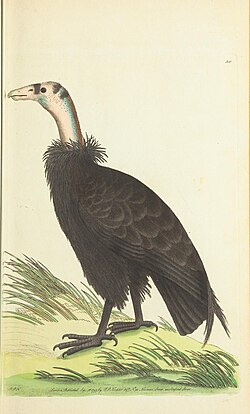
Key Facts
- Scientific Name: Gymnogyps californianus
- Conservation Status: Critically Endangered (IUCN 3.1)
- Population Low: Once numbered only 22 individuals.
- Current Population: Over 500 birds today.
- Diet: Obligate scavenger (feeds on carrion).
- Range: Historically broad; currently reintroduced in California, Arizona, Utah, and Mexico.
Biological Profile and Evolution
The California condor belongs to the family Cathartidae (New World vultures). Its evolutionary history spans from 2.5 million years ago to the present. Fossil evidence, such as that of the extinct species Gymnogyps amplus found in the La Brea Tar Pits, highlights the long-standing presence of these giants in the region.
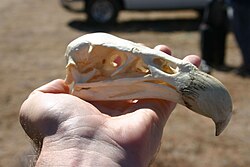
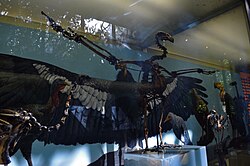
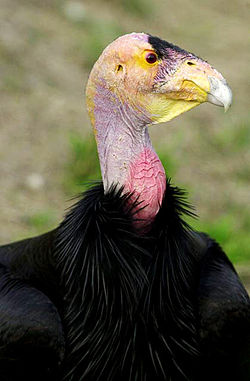
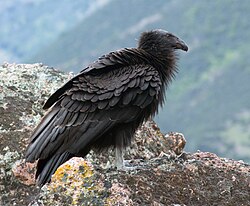
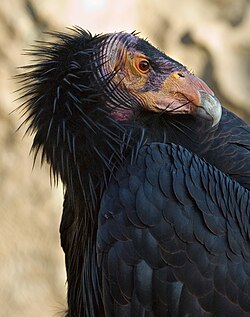
Physically, the condor is built for soaring. Adults are distinguished by their massive wingspans and distinctive head and neck features. Juveniles differ in appearance, often showing different coloration before maturing into the starker adult plumage.
Habitat and Ecology
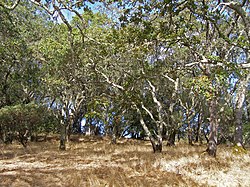
Condors are highly adaptable but prefer open landscapes that allow them to spot carrion from great heights. Their preferred habitats include California oak savannas, coastal redwoods, and rugged mountain ranges. They typically nest in caves or large rock crevices, providing safety for their slow-developing young.
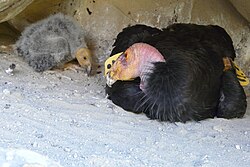
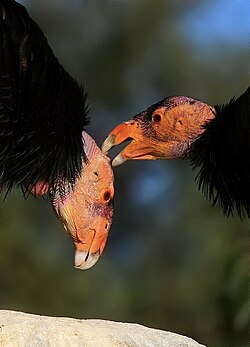
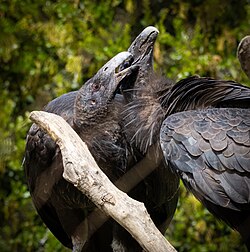
As scavengers, condors provide a critical service by removing decaying organic matter from the environment. They are social birds, often seen preening together or gathering in groups at feeding sites.
The Path to Recovery
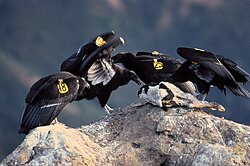
By the late 20th century, the California condor was on the verge of total extinction. In a desperate bid to save the species, the last wild birds were captured for a managed breeding program. This initiative, led by organizations like the San Diego Zoo and the U.S. Fish and Wildlife Service (USFWS), utilized innovative techniques to increase the population.
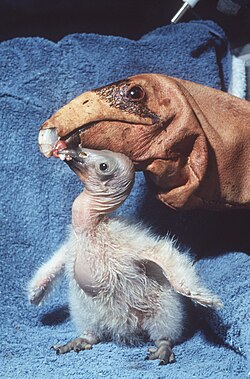
To prevent the imprinting of human characteristics on chicks, biologists used head feeding puppets—tools that mimic the appearance of an adult condor to feed the young without human contact.
Reintroduction Efforts
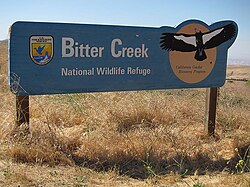
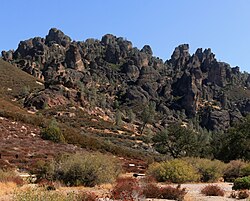
The recovery plan involved releasing captive-bred birds back into the wild at strategic sites, including Pinnacles National Park and various refuges. These efforts have expanded beyond the U.S. borders, with successful reintroductions into the Baja Sierras of Mexico. Recently, the Yurok Tribe has taken a leading role in reclaiming their ancestral lands by releasing condors in Northern California.
Monitoring and Citizen Science
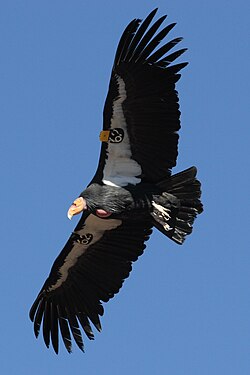
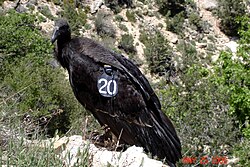
Modern conservation relies heavily on technology. Many condors are fitted with tracking tags on their wings to monitor their movements and health. Additionally, programs like Condor Watch via Zooniverse allow citizen scientists to help identify individual birds using their unique numbered tags.

Obstacles to Survival
Despite the population growth, the California condor remains critically endangered due to several persistent threats:
- Lead Poisoning: The most significant threat. Condors ingest lead fragments from ammunition left in animal carcasses.
- Trash Ingestion: Birds may mistake small pieces of trash for food, which can be fatal to chicks.
- Disease: Recently, Highly Pathogenic Avian Influenza (HPAI) has caused significant mortality among wild populations.
- Environmental Toxins: Legacy pesticides like DDT have historically impacted eggshell thickness.
Summary of Species Status
| Category | Details |
|---|---|
| Scientific Classification | Genus: Gymnogyps, Species: G. californianus |
| Conservation Status | Critically Endangered (CITES Appendix I) |
| Population Trend | Increasing (from 22 to 500+) |
| Primary Threat | Lead poisoning from ammunition |
| Key Habitats | Oak savannas, coastal redwoods, mountain caves |
Frequently Asked Questions
Why is lead poisoning so dangerous for condors?
Condors are scavengers that eat carrion. If an animal was shot with lead ammunition, the lead fragments remain in the carcass. Once ingested, lead acts as a potent toxin in the condor's digestive system, often leading to death if not treated.
How do biologists feed condor chicks without them bonding with humans?
Biologists use specialized condor head puppets. These puppets look like adult condors, ensuring the chicks associate food with their own species rather than with human caretakers, which is essential for their eventual survival in the wild.
Can California condors reproduce without a mate?
Yes, a rare phenomenon called parthenogenesis (virgin birth) has been confirmed in California condors, where chicks hatched from unfertilized eggs.
Where can California condors be found today?
They are currently found in reintroduced populations across California, Arizona, Utah, and Baja California in Mexico.
What is the role of the Yurok Tribe in condor recovery?
The Yurok Tribe has partnered with conservationists to reintroduce the condor to their ancestral lands in Northern California, reflecting the bird's deep cultural and spiritual significance to the tribe.