Cali: The Vibrant Salsa Capital of Colombia
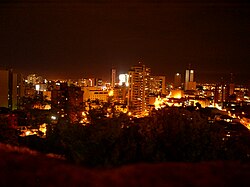
Known as the Salsa Capital of the World, Cali (officially Santiago de Cali) is a sprawling metropolis in the Valle del Cauca Department of Colombia. As the third-largest city in the country, it blends a rich colonial history with a modern, energetic urban culture. From its nickname La Sucursal del Cielo (the Subsidiary of Heaven) to its reputation as a sports powerhouse, Cali offers a diverse experience for residents and visitors alike.
Founded on July 25, 1536, by Sebastián de Belalcázar, the city has evolved from a colonial outpost into a major economic hub with a metropolitan population of approximately 3.4 million people.
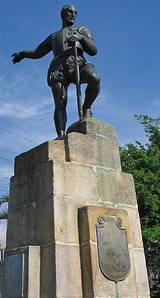
Key Facts
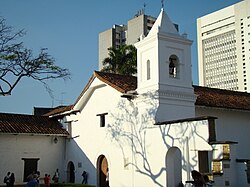
- Official Name: Santiago de Cali
- Founded: July 25, 1536, by Sebastián de Belalcázar
- Population: 2,234,400 (District/City, 2023)
- Elevation: 1,018 meters (3,340 feet)
- Economic Status: Metro GDP of US$ 22.1 billion (2023)
- Global Identity: Recognized as the World Salsa Capital
Geography and Climate
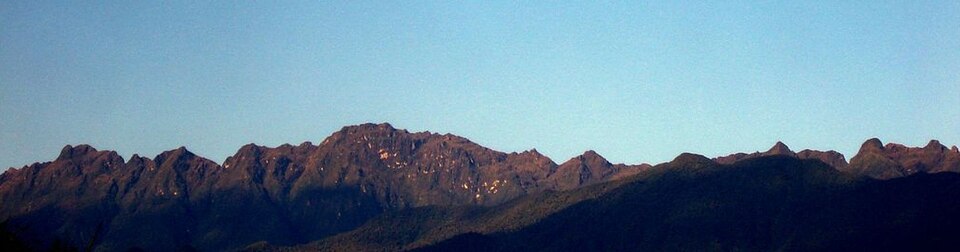
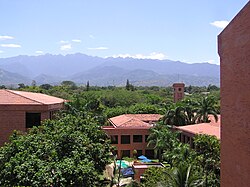
Cali is situated in the Valle del Cauca, characterized by its proximity to the Farallones de Cali, a stunning mountain range that provides a dramatic backdrop to the city skyline.
The city experiences a tropical climate with consistent temperatures throughout the year. While the daily mean typically hovers around 24°C to 25°C, the city sees significant rainfall, particularly between April and November. The University of Valle station, for instance, records the highest average precipitation, reaching up to 1,483.4 mm annually.
History and Culture
From Pre-Columbian Roots to Colonialism
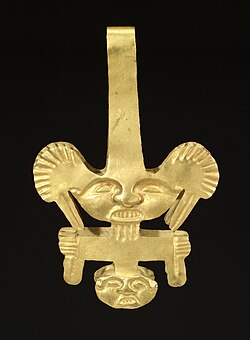
Before the Spanish arrival, the region was inhabited by indigenous settlers, including the Calima culture, renowned for their sophisticated gold work.
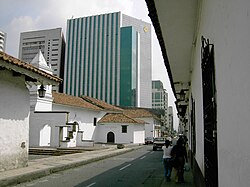
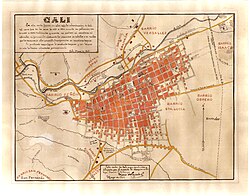
Following its foundation in 1536, Cali grew as a colonial center. This era left a lasting mark on the city's architecture, visible today in the historic district and various religious landmarks.
The Heart of Salsa and the Arts
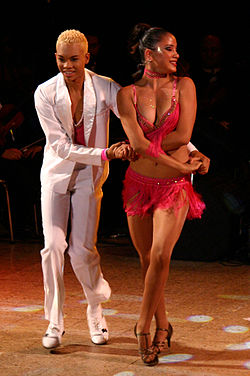
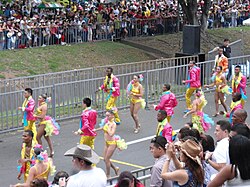
Cali is synonymous with Salsa, a genre of music and dance that defines the city's social fabric. This passion culminates in the Feria de Cali (Cali Fair), an annual celebration featuring the Salsodromo (Salsa Marathon), the Carnival of Old Cali, and various parades.
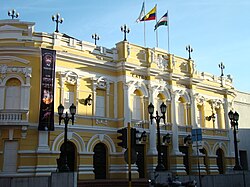
Beyond music, the city is a center for the arts. The Enrique Buenaventura Municipal Theater serves as a premier venue for performing arts, while the city's museum circuit—including the La Tertulia Museum and the Calima Gold Museum—preserves both contemporary and ancient heritage.
City Landmarks and Tourism
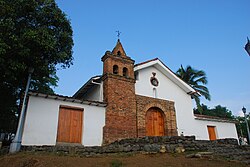
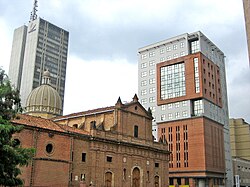
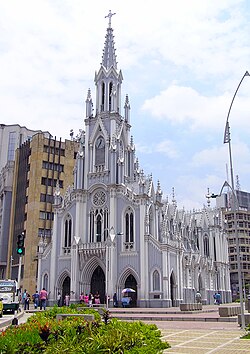
Visitors to Cali often explore the city's spiritual and architectural gems. The Ermita Church and the San Antonio Church are iconic landmarks that reflect the city's colonial heritage.
Other must-visit sites include:
- El Gato del Río: A series of cat sculptures by Hernando Tejada located along the river.
- Cristo Rey: A massive monument overlooking the city.
- Cali Tower: A landmark completed in 1984, designed by architect Jaime Vélez.
- Plaza de Cayzedo: The central square of the city.
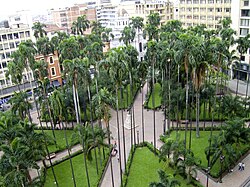
Infrastructure and Education
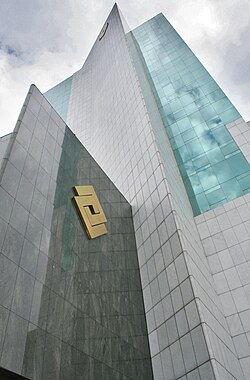
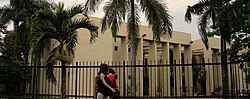
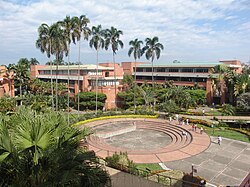
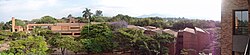
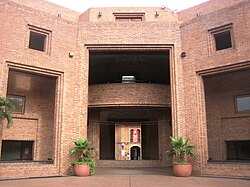
Cali is a major educational hub in Colombia, hosting prestigious institutions such as the University of Valle, Pontificia University Javeriana, and the University Icesi.
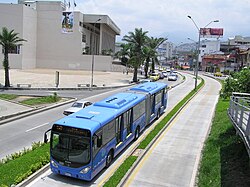
The city's transport network is anchored by the Masivo Integrado de Occidente (MIO), a Bus Rapid Transit (BRT) system that operates across several principal corridors, including Calle 5 and Avenida de las Américas.
Sports Capital of Colombia
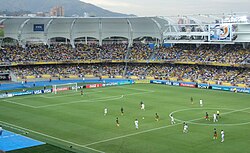
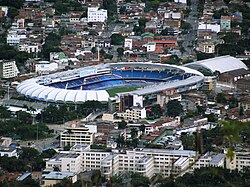
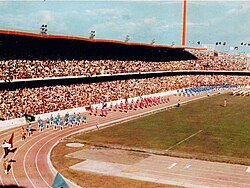
Cali is widely regarded as Colombia's sports capital. It possesses world-class infrastructure, including the Pascual Guerrero Olympic Stadium, which has hosted major events like the 2011 FIFA U-20 World Cup and the 1971 Pan American Games.
The city's sporting facilities also include the Velódromo Alcides Nieto Patiño and the Iván Vassilev Todorov Arena, supporting a wide array of athletic disciplines from football to basketball.
Cali at a Glance
| Category | Detail |
|---|---|
| Department | Valle del Cauca |
| Population (Metro) | 3,400,000 |
| Nominal GDP (Metro) | US$ 22.1 Billion |
| Main Industry/Culture | Salsa, Education, Sports, Medical Tourism |
| Key Transport | MIO (Bus Rapid Transit) |
Frequently Asked Questions
What is Cali's most famous nickname?
Cali is most famously known as the "Salsa Capital of the World" (Capital Mundial de la Salsa) and also as "La Sucursal del Cielo" (the Subsidiary of Heaven).
Who founded the city of Cali?
The city was founded on July 25, 1536, by the Spanish explorer Sebastián de Belalcázar.
What is the MIO in Cali?
The MIO (Masivo Integrado de Occidente) is the city's integrated mass transit system, consisting of a network of bus corridors designed to improve urban mobility.
Which major sporting events has Cali hosted?
Cali has hosted significant international events, including the 1971 Pan American Games and the 2011 FIFA U-20 World Cup.
What are the main universities in Cali?
Key institutions include the University of Valle, Pontificia University Javeriana, University Icesi, and the Free University of Colombia.