Cacique: The Evolution of Indigenous Leadership and Political Bossism
The term cacique (feminine: cacica) describes a tribal chieftain among various Indigenous peoples of the Caribbean and Latin America. Derived from the Kalinago word kassiquan, meaning "to keep house," the term was first adopted by Spanish colonizers to describe the leaders of the peoples they encountered, such as the Kalinago and Taíno. While it began as a description of traditional Indigenous authority, the word evolved over centuries to describe a specific type of regional political power known as caciquismo.
Key Facts
- Origin: Derived from the Kalinago word kassiquan.
- Original Meaning: Tribal chieftain or leader of Indigenous groups in the Americas.
- Taíno Structure: Rank was often hereditary or democratic, with status based on clan size rather than military skill.
- Colonial Shift: Spanish administrators used the term generically for any Indigenous leader.
- Modern Usage: Refers to a local political boss (caciquismo) in Hispanic and Lusophone cultures.
The Traditional Role of the Taíno Kasike
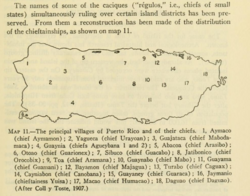
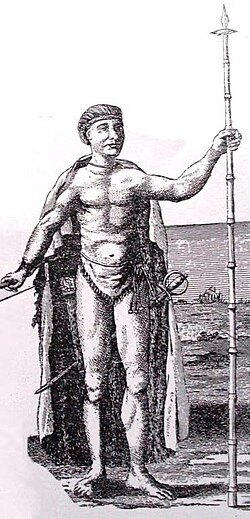
In Taíno culture, the kasike served as the central authority of the tribe. Because the Taínos were generally a peaceable society, a leader's importance was measured by the size of his clan rather than his prowess in war. The kasike's word was law, and they managed a sophisticated government that touched every aspect of social life.
The elite status of the kasike was reflected in their lifestyle. They resided in large rectangular huts located in the center of the village, contrasting with the circular huts of commoners on the periphery. They also held reserved seating for areítos (ceremonial dances) and traditional ball games.
Caciques Under Spanish Colonial Rule
When the Spanish arrived, they initially translated "cacique" as "king" or "prince." Over time, the term became a generic label for any Indigenous leader across the Western Hemisphere. In some regions, such as central Mexico, the dynastic nature of the role faded, and the title became more about family prestige than actual authority.
By the late colonial era, some cacique families petitioned the Viceroy of New Spain to maintain specific privileges. These requested exemptions included being seated separately from commoners, exemption from tribute and town government service, and protection from incarceration for debt.
![Túpac Amaru II, an Andean cacique[clarification needed] who led a 1781 rebellion against Spanish rule in Peru](/images/b3/d8/b3d8d8e5ad0921f35bde8c840b214fc9ec4a360530d05f2389fae3c5dcbb6b40.jpg)
Resistance and the Kurakas
In the Andes, similar leadership roles were held by kurakas. Some, like Túpac Amaru II in 1781, claimed descent from the Inca royal line and led major rebellions against Spanish rule. While Simón Bolívar abolished noble titles upon independence in 1825, the influence of the kurakas had already been declining following these great uprisings.
From Tribal Chiefs to Political Bosses: Caciquismo
Following independence, the meaning of cacique shifted from an ethnic or tribal designation to a political one. This gave rise to caciquismo, a system of "boss rule" where local or regional leaders exercise disproportionate power.
Scholars often distinguish between caciques and caudillos (political strongmen). While some view caciquismo as a product of political anarchy that eventually evolves into a more "civilized" form of control, others describe it simply as a brand of tyranny. This system appeared not only in the Americas but also in Spain, particularly in Galicia, where it was linked to nepotism and stunted regional growth.
Cacique Democracy in the Philippines
The term "cacique democracy" was coined by political scientist Benedict Anderson to describe the Philippine political system. In this context, local leaders maintain warlord-like powers. Despite American-led reforms and modernization after 1898, traditional Filipino elites used their education and connections to consolidate their positions of power.
Summary of Leadership Terms
| Term | Origin/Context | Primary Characteristic |
|---|---|---|
| Cacique | Kalinago / Caribbean | Tribal chieftain; later a local political boss. |
| Kasike | Taíno | Hereditary or democratic leader of a clan. |
| Kuraka | Andean / Inca | Indigenous administrator and community leader. |
| Caudillo | Latin American | Military or political strongman. |
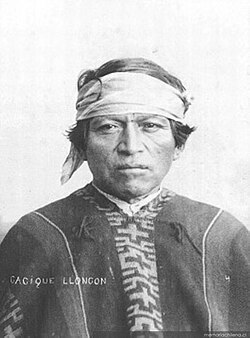
| Lonko | Mapuche | Traditional community leader. |
Frequently Asked Questions
What is the difference between a cacique and a caudillo?
While both represent strong leadership, a cacique originally referred to an Indigenous tribal chief and later to a local political boss. A caudillo is generally defined as a political or military strongman who exercises power over a larger region or nation.
How was a Taíno kasike chosen?
The rank of kasike in Taíno culture was typically hereditary, although in some instances, leaders were established through democratic means.
What was caciquismo in the context of Spain?
In Spain, particularly in the late 19th and early 20th centuries, caciquismo referred to a system of local political bossism and nepotism that hindered regional development, notably in Galicia.
What privileges did colonial-era caciques hold in Mexico?
Some caciques were exempt from paying tribute, excused from Sunday worship payments, and protected from being imprisoned in public jails for serious crimes.
What is "cacique democracy"?
It is a term used to describe the political system in the Philippines where local elites and leaders maintain significant, often warlord-like, power over their regions.