By-products and Co-products in Manufacturing
In any production process, the primary goal is to create a specific product or service. However, chemical reactions and manufacturing sequences often generate secondary materials. These secondary outputs are known as by-products—materials derived from a production process that are not the main intended result.
Depending on the industry and the market, a by-product may be viewed as a valuable asset or as waste that requires disposal. The transition from a waste product to a commercial commodity often depends on technological advancement and market demand.
The Spectrum of By-product Utility
Not all by-products are created equal. Some are immediately useful, while others require further processing or a change in market perspective to become valuable.
From Waste to Resource
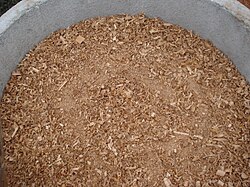
Consider the milling of wheat into refined flour. A primary by-product of this process is bran. Depending on the producer's needs, bran may be treated as waste—composted or burned for disposal. Conversely, it can be utilized as a nutritious ingredient for animal feed or human food.
Evolution into Primary Products
Some materials start as incidental by-products but eventually evolve into highly desirable commercial goods. For instance, gasoline and the plastics used in shopping bags both originated as by-products of the oil refining process before becoming major industries in their own right.
By-products vs. Co-products
While the terms are often used interchangeably, some industries use the term co-product to describe a secondary output that is intentionally desired and marketed. There is no strict scientific distinction between the two, but the terminology helps indicate the value of the material.
A classic example of co-products can be found in beef production, where hides and leather are produced alongside the primary meat product. Because these materials have significant commercial value, they are frequently categorized as co-products.
Key Facts
- Definition: A by-product is a secondary result of a manufacturing process or chemical reaction.
- Versatility: By-products can range from disposable waste to high-value commercial goods.
- Terminology: The term "co-product" is used when a secondary product is specifically desired.
- Examples: Bran (wheat milling), gasoline (oil refining), and leather (beef production).
| Primary Process | By-product/Co-product | Potential Use |
|---|---|---|
| Wheat Milling | Bran | Human food, animal feed, or compost |
| Oil Refining | Gasoline / Plastics | Motor fuel and shopping bags |
| Beef Production | Hides and Leather | Commercial leather goods |
Frequently Asked Questions
What exactly is a by-product?
A by-product is a secondary material produced during a manufacturing process or chemical reaction that is not the primary product being sought.
Is a by-product always considered waste?
No. While some by-products are disposed of via burning or composting, others are marketable and useful, such as bran used in nutrition.
What is the difference between a by-product and a co-product?
There is no strict distinction, but "co-product" is typically used when the secondary product is desired and has significant value, such as leather in beef production.
Can a by-product become a primary product?
Yes. Gasoline and plastic are prime examples of materials that began as by-products of oil refining and later became highly desirable commercial products.