Buenos Aires Underground: A History of South America's First Metro
The Buenos Aires Underground, known locally as the Subte, stands as a landmark of urban engineering and history. As the first rapid transit system in South America, it has evolved from a modest line in 1913 into a sprawling network that serves as the backbone of transportation for the Argentine capital. Managed by the government corporation Subterráneos de Buenos Aires S.E. (SBASE), the system blends historic charm with modern expansion.
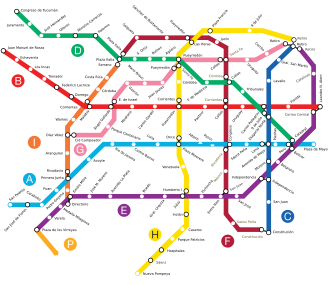
From its early days of wooden carriages to the implementation of high-capacity steel trains, the Subte reflects the growth and ambition of Buenos Aires. Today, it consists of six heavy rail lines and one light rail line, moving millions of passengers annually through the heart of the city.
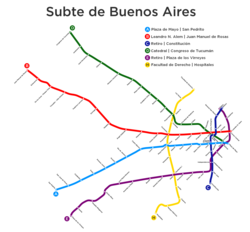
Key Facts
- Inauguration: December 1, 1913.
- Network Scale: 6 heavy rail lines and 1 light rail line (Line P).
- Total Stations: 108 (including Line P).
- System Length: 64.1 km (including Line P).
- Daily Ridership: 545,523 (as of 2024).
- Annual Ridership: 199,116,074.
- Track Gauge: 1,435 mm (Standard Gauge).
The Evolution of the Network
Early Beginnings and Nationalization
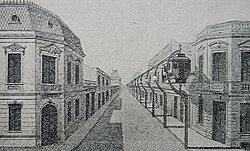
The system began operation on December 1, 1913, with the opening of Line A. In its infancy, the network saw various proposals for transit, including the Le Tellier aerial tramway, though the underground model ultimately prevailed.
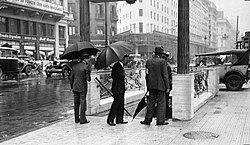
The early 20th century saw the rapid expansion of Line A under the Avenida de Mayo, marking a new era of urban mobility.
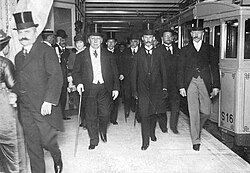
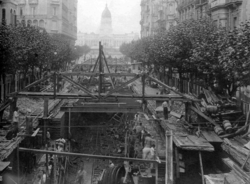
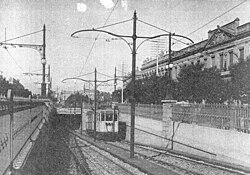
By 1939, the network was centralized and nationalized under the Transport Corporation of Buenos Aires (CTCBA). It was during this period that the lines were assigned their current lettered naming scheme (A through D) based on their opening order. Following further administrative shifts in 1952 and 1963, the network eventually became the property of the Subterráneos de Buenos Aires company (SBA).
Modernization and Privatization
As the city grew, so did the Subte. The network expanded through the mid-20th century, adding Line E and later Line H. The system has transitioned through various operational models, including privatization efforts. By the end of 2019, the operating contract expired, leading to competitive bids from global transit leaders such as Keolis, RATP Group, and Metrovías.
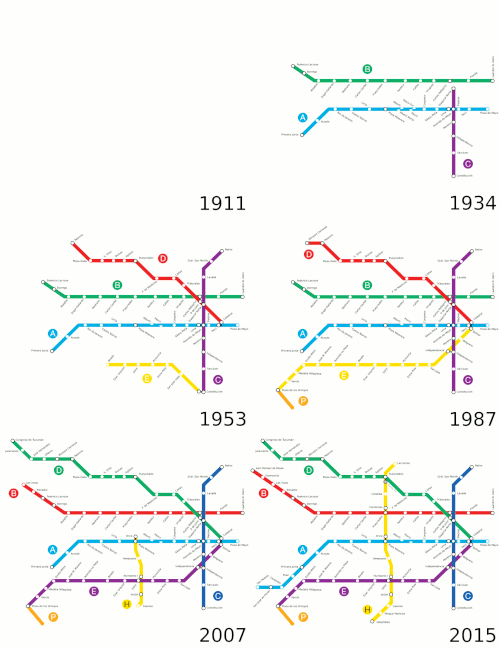
System Specifications and Lines
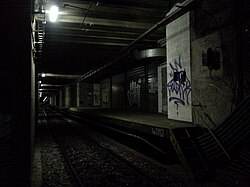
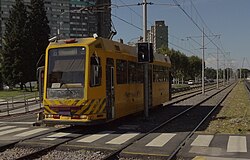
The network utilizes a variety of electrification methods to power its fleet, including overhead lines (1,500 V DC, 750 V DC) and a combination of overhead lines and third rail (550 V DC). The system is complemented by the Premetro, a light rail service that extends the reach of the heavy rail network.
| Line | Opened | Current Termini | Length (km) | Stations | Daily Passengers |
|---|---|---|---|---|---|
| Line A | 1913 | Plaza de Mayo – San Pedrito | 9.8 | 18 | 109,964 |
| Line B | 1930 | L. N. Alem – J.M. de Rosas | 11.9 | 17 | 137,167 |
| Line C | 1934 | Constitución – Retiro | 4.5 | 9 | 86,657 |
| Line D | 1937 | Catedral – Congreso de Tucumán | 10.4 | 16 | 96,279 |
| Line E | 1944 | Retiro – Plaza de los Virreyes | 12.0 | 18 | 53,237 |
| Line H | 2007 | Facultad de Derecho – Hospitales | 8.8 | 12 | 60,547 |
Rolling Stock and Infrastructure
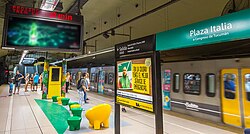
The Subte's fleet has seen a dramatic evolution. Early UEC Preston cars served the network from 1913 to 1977, while the iconic La Brugeoise cars became symbols of the system's heritage. In recent years, the fleet has been upgraded with modern rolling stock, including cars from Materfer and other international manufacturers.
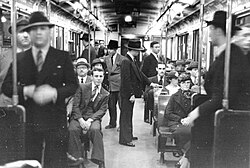
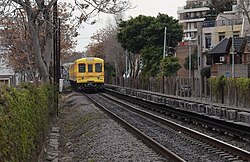
![A UEC Preston car inside the Polvorín Workshop. These were used from 1913 to 1977.[94]](/images/c0/92/c092e00f9704f3473f37883b9d7b50ba25198ecbf536925c5c91c86eb16a182e.jpg)
Station Architecture and Art
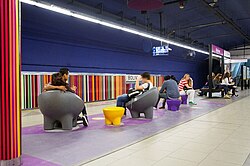
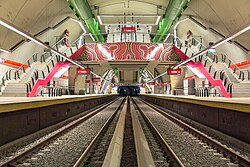
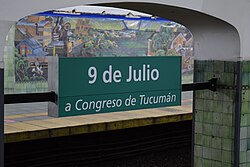
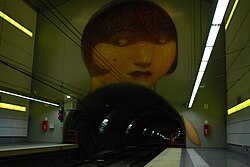
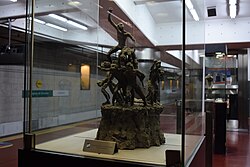
Beyond transportation, the Subte serves as an underground gallery. Many stations feature murals and exhibits that reflect Argentine culture. For example, the 9 de Julio station has undergone mural restoration, and Venezuela station on Line H showcases modern artwork.
Future Expansion and Planning
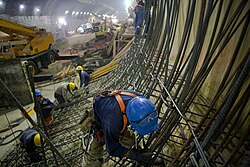
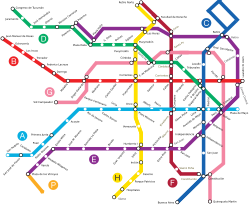
The network continues to grow under various strategic plans, including the PETERS plan, which recommends specific layout optimizations to improve efficiency. New extensions and the development of Line H are ongoing, aiming to better connect the city's outskirts with the center.
Culture and Heritage
The Subte is not just a utility but a piece of national patrimony. Efforts to preserve the system's history include the refurbishment of La Brugeoise cars for public display and the maintenance of historical exhibits within stations like Congreso de Tucumán.
![Refurbishment of La Brugeoise cars for public display began in 2013.[97]](/images/6c/bd/6cbd817b019acdc9972f92391f534b92c077910c67bef3ba487042809f8aa3c0.jpg)
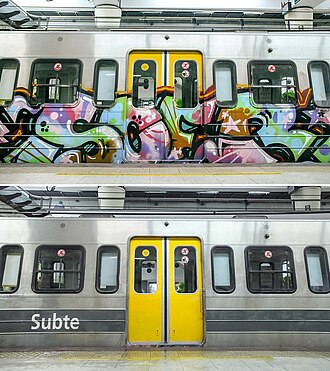
However, the system also faces modern challenges, such as graffiti. The city has implemented specialized cleaning products and increased security to combat vandalism on the rolling stock.
Frequently Asked Questions
When did the Buenos Aires Underground first open?
The system began operations on December 1, 1913, with the inauguration of Line A.
How many lines are currently in the network?
There are 6 heavy rail lines (A, B, C, D, E, and H) and 1 light rail line known as Line P (Premetro).
What is the daily ridership of the Subte?
As of 2024, the daily ridership is approximately 545,523 passengers.
Who owns and operates the system?
The system is owned by the government corporation Subterráneos de Buenos Aires S.E. (SBASE), with operations handled by concession holders.
What is the Premetro?
The Premetro (Line P) is a light rail system that serves as a feeder to the main heavy rail underground network.