British Dominions: The Evolution of Self-Governing States in the Empire
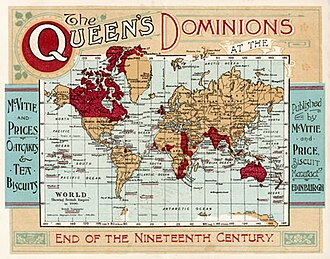
A dominion was a self-governing country within the British Empire, and later the British Commonwealth of Nations. Primarily active during the first half of the 20th century, the status of dominion represented a transitional phase between colonial rule and full national sovereignty. These territories evolved from dependent colonies into autonomous states, eventually forming the foundation of the modern post-colonial Commonwealth of Nations.
By 1926, the primary dominions included Australia, Canada, the Irish Free State, New Zealand, Newfoundland, and South Africa. Later additions included India and Pakistan in 1947, and Ceylon (now Sri Lanka) in 1948. Following World War II, these entities—often referred to as the "Old Commonwealth"—transitioned into independent nation-states, existing either as Commonwealth republics or Commonwealth realms.
Key Facts
- Definition: An autonomous community within the British Empire, equal in status to Great Britain.
- Legal Milestone: The Balfour Declaration of 1926 recognized dominions as equal and non-subordinate.
- Legislative Independence: The Statute of Westminster 1931 confirmed full legislative autonomy.
- Transition: Most dominions transitioned to full independence or realm status by 1949.
- Core Members: Canada, Australia, New Zealand, South Africa, Newfoundland, and the Irish Free State.
The Origins and Definition of Dominion
While the term "dominion" was used as early as the 16th century to describe territories like Wales, its use as an official title became more formalized in the 17th century with the Colony of Virginia and the Dominion of New England. However, the modern political meaning emerged in the 19th century.
Under the British North America Act 1867, the partially self-governing colonies of British North America were united into the Dominion of Canada. Although Canada possessed significant local powers, Britain maintained control over international policy, trade, and legislative supremacy. This model served as a precursor for other territories.
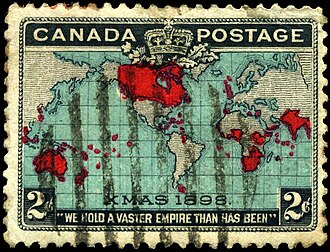
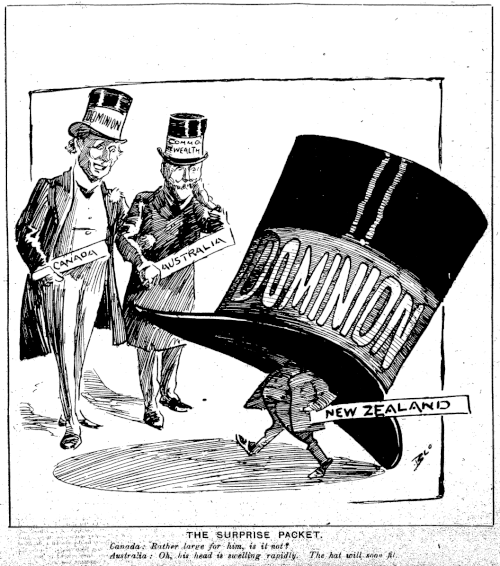
The term was applied more broadly during the 1907 Imperial Conference, where Canada and the Commonwealth of Australia were collectively referred to as Dominions. New Zealand and Newfoundland were granted the same status later that year, followed by the Union of South Africa in 1910.
The Path to Sovereignty
The Balfour Declaration and Statute of Westminster
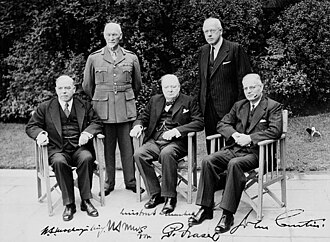
A pivotal shift occurred at the 1926 Imperial Conference. The Balfour Declaration defined Great Britain and the Dominions as autonomous communities, equal in status and not subordinate to one another in domestic or external affairs, though still united by allegiance to the Crown.
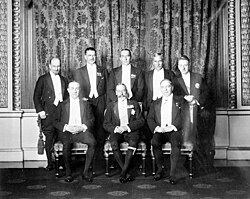
This political recognition was codified in the Statute of Westminster 1931, which granted the dominions full legislative independence. During the 1920s and 1930s, these nations began establishing their own diplomatic representations in foreign capitals and signing independent treaties.
The Role of the Crown and Citizenship
Until 1948, residents of dominions were considered British subjects. The transition to national citizenship began with the Canadian Citizenship Act of 1946, followed by the British Nationality Act 1948, which created Commonwealth citizenship. This allowed dominions to establish their own distinct citizenships.
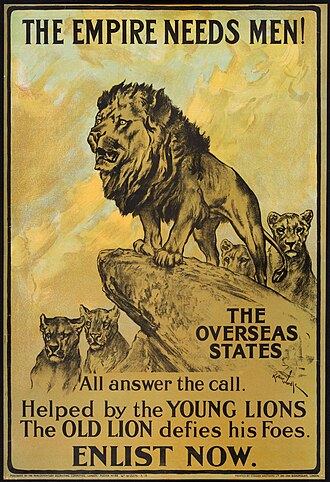
In British law, the term "within the Crown's dominions" still applies to territories where the British monarch remains the head of state. Countries that maintain this link are now typically called realms. When a state ceases to recognize the monarch, such as the Republic of Ireland via the Ireland Act 1949, it is no longer part of His Majesty's dominions.
Profiles of Major Dominions
Canada
Canada was the first to use the title "Dominion" (1867). The term was integrated into various national institutions, such as the Dominion Police (which later became the RCMP) and the Dominion Bureau of Statistics (now Statistics Canada). The national holiday, Dominion Day, was renamed Canada Day in 1982.
The Irish Free State
Established in 1922, the Irish Free State held dominion status until 1949. After a 1937 constitution renamed the state "Ireland," it gradually distanced itself from the Commonwealth, eventually passing the Republic of Ireland Act 1948 to end all links with the British Monarch.
New Zealand and Australia
New Zealand was proclaimed a dominion in 1907 and maintained constitutional links to the UK until the Constitution Act 1986. Australia, while recognized as a dominion in 1901, primarily used the title Commonwealth of Australia.
South Africa and Southern Rhodesia
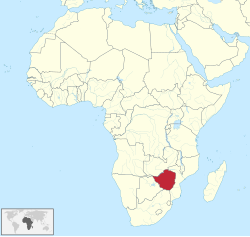
South Africa became a dominion in 1910. Southern Rhodesia occupied a unique "semi-dominion" status; while administered through the Dominions Office rather than the Colonial Office, it was not mentioned in the 1931 Statute of Westminster.
Summary of Dominion Status Evolution
| Territory | Dominion Status Granted | Key Transition/Outcome | Current Status |
|---|---|---|---|
| Canada | 1867 | Statute of Westminster 1931 | Commonwealth Realm |
| Australia | 1901 | Statute of Westminster 1931 | Commonwealth Realm |
| New Zealand | 1907 | Constitution Act 1986 | Commonwealth Realm |
| Newfoundland | 1907 | Joined Canada (1949) | Province of Canada |
| South Africa | 1910 | Became Republic (1961) | Commonwealth Republic |
| Irish Free State | 1922 | Republic of Ireland Act 1948 | Independent Republic |
| India & Pakistan | 1947 | Independence 1947 | Republics |
| Ceylon | 1948 | Republican Constitution 1972 | Republic of Sri Lanka |
Frequently Asked Questions
What exactly was "Dominion status"?
Dominion status was a designation given to self-governing nations within the British Empire. It signified that the country was an autonomous community, equal in status to the United Kingdom, and not subordinate in its domestic or external affairs, while still maintaining a common allegiance to the British Crown.
How did the Statute of Westminster 1931 change things?
The Statute of Westminster 1931 was the legal mechanism that confirmed the full legislative independence of the dominions. It ensured that the UK Parliament could no longer legislate for a dominion unless requested to do so, effectively ending British legislative supremacy.
Is the term "Dominion" still used today?
While "Dominion status" as a specific legal category largely ceased to exist in 1949 when countries enacted their own citizenship laws, the term "within the Crown's dominions" still appears in British law to describe territories where the British monarch is the head of state. These are now commonly called Commonwealth realms.
Why did Newfoundland stop being a dominion?
Unlike other dominions that became independent states, Newfoundland's status changed when it joined the Dominion of Canada as a province in 1949.
What is the difference between a Commonwealth Realm and a Commonwealth Republic?
A Commonwealth Realm is an independent state that recognizes the British monarch as its formal head of state. A Commonwealth Republic is an independent state that has replaced the monarch with its own head of state (such as a president) but remains a member of the Commonwealth of Nations.