Bristol Airport
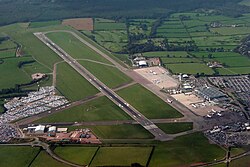
Located at Lulsgate Bottom in North Somerset, Bristol Airport (BRS/EGGD) serves as the primary aviation gateway for Bristol and the wider West of England. Situated at an elevation of 622 feet (190 m) above mean sea level, the airport has evolved from its early roots as a military airfield into a bustling public hub for millions of travelers annually.
The airport is a strategic focus city for several major carriers, including easyJet, Jet2.com, Ryanair, and TUI Airways, providing essential connectivity to domestic and international destinations.
Key Facts
- IATA Code: BRS | ICAO Code: EGGD
- Annual Passengers (2024): 10,479,112
- Aircraft Movements (2024): 78,554
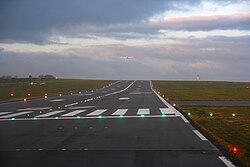
- Primary Runway: 09/27, measuring 2,011 meters (6,598 ft) with an asphalt surface.
- Location: Lulsgate Bottom, North Somerset.
History and Evolution
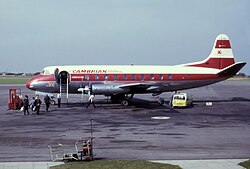
The site's aviation history began with the RAF Lulsgate Bottom, which later transitioned into the Lulsgate Bottom Airfield. Over the decades, the facility underwent several name changes, operating as Bristol (Lulsgate) Airport and Bristol International Airport before eventually being rebranded simply as Bristol Airport in 2010.
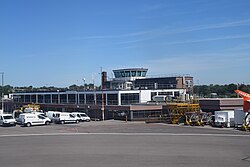
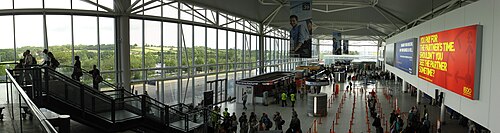
The airport has seen significant infrastructure growth to keep pace with rising demand. This includes the construction of a new terminal building and the addition of a Hampton by Hilton hotel to accommodate overnight travelers.
Expansion and Development
Expansion has been a recurring theme and a point of local debate. While initial development plans and staging were approved, subsequent proposals—such as the 2018 expansion plan—faced legal appeals and climate-related protests. More recent efforts have focused on creating a modern transport hub and improving the road network to alleviate congestion.
Facilities and Operations
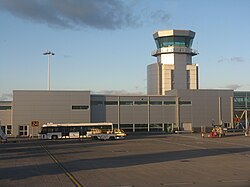
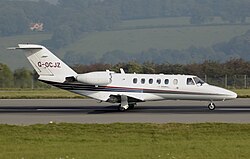
Bristol Airport operates a single asphalt runway (09/27) that supports a wide array of aircraft, from regional turboprops to narrow-body jets. The facility includes a modern air traffic control tower and an updated terminal interior designed to enhance the passenger experience.
Airlines and Destinations
The airport hosts a diverse range of scheduled airlines. While low-cost carriers dominate the market, full-service airlines like KLM provide critical links to global hubs.
- Aer Lingus: Cork, Dublin
- Aurigny: Guernsey
- KLM: Amsterdam
- Loganair: Aberdeen, Jersey
- Pegasus Airlines: Istanbul–Sabiha Gökçen
- SunExpress: Antalya
- Major Hub Carriers: easyJet, Jet2.com, Ryanair, and TUI Airways.
Ground Transportation
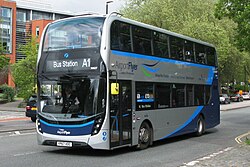
Accessibility is managed through a combination of road and bus services. The airport has invested in a dedicated public transport interchange and utilizes services like the Bristol Airport Flyer (operated by Alexander Dennis Enviro400 MMC buses) to connect the terminal with the city center.
Airport Statistics
The airport has experienced steady growth over the last three decades, with a notable recovery and surge in traffic following the global downturn of 2020-2021.
| Year | Passengers | Aircraft Movements |
|---|---|---|
| 1997 | 1,614,837 | 59,547 |
| 2005 | 5,253,752 | 84,289 |
| 2015 | 6,786,790 | 68,074 |
| 2020 | 2,194,524 | 29,191 |
| 2023 | 9,911,879 | 68,718 |
| 2024 | 10,479,112 | 78,554 |
Busiest Routes (2023-2024)
International travel is led by Amsterdam, Alicante, and Palma de Mallorca. Domestically, Edinburgh remains the most popular destination, followed by Glasgow and Belfast International.
Frequently Asked Questions
What are the IATA and ICAO codes for Bristol Airport?
The IATA code is BRS and the ICAO code is EGGD.
How many passengers did Bristol Airport handle in 2024?
In 2024, the airport handled 10,479,112 passengers, representing a 7% increase from the previous year.
Which airlines use Bristol Airport as a focus city?
The primary focus airlines are easyJet, Jet2.com, Ryanair, and TUI Airways.
What is the length and surface of the runway?
The runway (09/27) is 2,011 meters (6,598 ft) long and is surfaced with asphalt.
What are the most popular international destinations from Bristol?
The top international routes include Amsterdam, Alicante, Palma de Mallorca, Dublin, and Tenerife-South.