Bòrd na Gàidhlig: Preserving the Gaelic Language in Scotland
The linguistic landscape of Scotland is defined by a rich history and a determined effort to keep its ancestral tongues alive. At the heart of this mission is Bòrd na Gàidhlig (pronounced [ ˈpɔːrˠt̪ nə ˈkaːlɪkʲ ]), which literally translates to the "Gaelic Board." As an executive non-departmental public body (NDPB)—an organization that works at arm's length from government ministers—it serves as the primary authority responsible for the promotion and protection of the Gaelic language.
Established by an Act of the Scottish Parliament in 2005 and becoming operational on February 13, 2006, the Bòrd is headquartered in Inverness. Its primary mandate is to ensure that Gaelic is recognized and respected as an official language of Scotland, standing on equal footing with English.
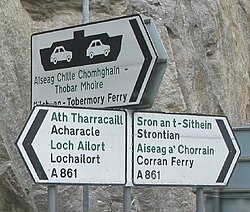
Key Facts
- Established: February 13, 2006, via the Gaelic Language (Scotland) Act 2005.
- Headquarters: Inverness, Scotland.
- Primary Goal: To secure the status of Gaelic as an official language of Scotland.
- Current Executive: Shona NicIlleathain (Ceannard).
- Staff Size: 19 employees.
- Legal Framework: Implements duties under the European Charter for Regional or Minority Languages.
Organizational Structure
Bòrd na Gàidhlig operates through a dual-layered structure designed to balance strategic leadership with daily operational execution.
The Board and Leadership
The board consists of members who provide the necessary leadership, direction, support, and guidance for the organization. The head of this board is known as the cathraiche (chairperson). Historically, the board has been led by figures such as Donnchadh MacFhearghais (Duncan Ferguson), a former rector of Plockton High School and director for BBC Gaelic programming, and later Arthur Cormack.
Executive Staff
The day-to-day operations are managed by full-time public sector employees. The head of the staff is the ceannard (chief executive). The current ceannard, Shona NicIlleathain, took office in June 2016. A non-native speaker who studied the language at Sabhal Mòr Ostaig and the University of Edinburgh, she brought twenty years of experience within the Bòrd to her leadership role.
History and Legal Mandate
The creation of Bòrd na Gàidhlig was a pivotal moment in Scottish language policy. By designating the Bòrd as the body responsible for implementing the Gaelic Language (Scotland) Act 2005, the Scottish Government formalized its commitment to language revitalization.
The Act specifically tasks the Bòrd with securing the status of Gaelic as an official language that commands equal respect to English. Furthermore, the Bòrd acts as a cornerstone for Scotland's obligations under the European Charter for Regional or Minority Languages, ensuring that the rights of Gaelic speakers are upheld and the language is integrated into public life.
Summary of Bòrd na Gàidhlig
| Feature | Details |
|---|---|
| Jurisdiction | Scotland |
| Formation Date | 13 February 2006 |
| Headquarters | Inverness |
| Chief Executive (Ceannard) | Shona NicIlleathain |
| Staff Count | 19 |
| Official Website | www.gaidhlig.scot |
Frequently Asked Questions
What is Bòrd na Gàidhlig?
Bòrd na Gàidhlig is an executive non-departmental public body of the Scottish Government responsible for the promotion and implementation of the Gaelic language in Scotland.
Which law established the Bòrd na Gàidhlig?
The organization was established by the Gaelic Language (Scotland) Act 2005, which took effect in early 2006.
What is the main goal of the organization?
Its primary objective is to secure the status of Gaelic as an official language of Scotland that commands equal respect to the English language.
Who is the current chief executive?
The current ceannard (chief executive) is Shona NicIlleathain, who has been in the role since June 2016.
Where is Bòrd na Gàidhlig based?
The organization's headquarters are located in Inverness, Scotland.