Borat Subsequent Moviefilm: Analyzing the Film's Major Controversies
Sacha Baron Cohen's Borat Subsequent Moviefilm utilized a mockumentary style—a fictional film presented as a documentary—to provoke reactions from real-world figures. While the film achieved critical success, its methods of deception and the nature of its satire sparked significant legal, ethical, and international disputes.
Key Facts
- Rudy Giuliani was filmed in a hotel room scene that led to widespread public debate and denials of impropriety.
- Judith Dim Evans, a Holocaust survivor, was the subject of a fraud lawsuit by her heirs, which was dismissed shortly before the film's release.
- Jeanise Jones, a babysitter, received over $150,000 via GoFundMe and a $100,000 donation from Baron Cohen following her appearance.
- Kazakhstan experienced significant backlash, including a petition with over 100,000 signatures to cancel the film.
- Marketing disputes occurred with the British National Trust and Parisian Muslim communities over offensive imagery.
The Rudy Giuliani Controversy
One of the most publicized segments of the film involves Rudy Giuliani. In the scene, Giuliani is interviewed by actress Maria Bakalova, who is impersonating a journalist. The sequence culminates in a hotel room where Giuliani is seen sliding his hand into the top of his trousers. After Bakalova removes his microphone, Giuliani lies back on the bed, at which point Baron Cohen bursts into the room, shouting that Bakalova is too young for him.
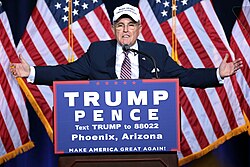
Giuliani denied any impropriety, suggesting the footage was a smear campaign related to the Hunter Biden laptop controversy, despite the scene being filmed months prior to that event. Baron Cohen stood by the accuracy of the footage, stating, "It is what it is. He did what he did." The fallout continued as Donald Trump labeled Baron Cohen "a creep," and Fox News anchor Kennedy later questioned Giuliani on the veracity of the scene.
Legal Disputes and Accusations of Unfair Treatment
The production faced several accusations regarding the treatment of its non-actor participants. The heirs of Holocaust survivor Judith Dim Evans sued the creators for fraud, claiming she did not consent to the commercial use of her likeness. Baron Cohen countered that he had broken character to explain the satirical nature of the project to Evans. The lawsuit was dismissed on October 26, just three days after the movie premiered.
Another controversy involved Jeanise Jones, a babysitter who believed she was participating in a documentary about grooming. Jones initially expressed feelings of betrayal, noting she only learned the true nature of the film the day before its release. While she later clarified that she was not angry and acknowledged her failure to read the release papers, she questioned the fairness of her $3,600 payment. This led to a massive wave of support; a GoFundMe campaign raised over $150,000 for her, and Baron Cohen donated $100,000 to her Oklahoma City community.
International Backlash and Accusations of Racism
The character of Borat has long been a source of tension in Kazakhstan. The sequel saw a resurgence of this friction, with the hashtag #CancelBorat trending on Twitter and an online petition gathering over 100,000 signatures. Protests were also held at the American embassy in Almaty.
Critics, including the Kazakh American Association, argued that the film "punches down" by mocking marginalized people through stereotypes and accents, alleging that the work promotes xenophobia, racism, and cultural appropriation. Despite this, the national tourism agency, Kazakh Tourism, eventually leaned into the fame by using the catchphrase "Kazakhstan. Very Nice!" for its own promotional videos.
Marketing Controversies
The film's promotional campaign also faced scrutiny. The British National Trust objected to the defacing of the Cerne Abbas Giant, and Parisian Muslims demanded the removal of posters featuring a near-nude Borat wearing a ring inscribed with "Allah." The posters were subsequently removed.
Summary of Major Controversies
| Entity/Person | Nature of Controversy | Outcome/Resolution |
|---|---|---|
| Rudy Giuliani | Hotel room conduct | Public denial; Baron Cohen maintained accuracy. |
| Judith Dim Evans | Likeness consent/Fraud | Lawsuit dismissed. |
| Jeanise Jones | Deception regarding film genre | Received ~$250,000 in donations/contributions. |
| Kazakhstan | Cultural stereotyping | Mixed; protests occurred, but tourism agency used slogan. |
| Parisian Muslims | Offensive poster imagery | Posters were removed. |
Frequently Asked Questions
Why did Rudy Giuliani claim the film was a smear campaign?
Giuliani alleged that the controversial hotel room scene was intended to damage his reputation in relation to the Hunter Biden laptop controversy, although the filming took place months before that specific controversy began.
How did the filmmakers respond to Jeanise Jones's situation?
Following the public outcry and a successful GoFundMe campaign, Sacha Baron Cohen donated $100,000 to Jones's community in Oklahoma City, disbursed through her church.
What was the reaction in Kazakhstan to the sequel?
The reaction was largely negative, involving a petition with over 100,000 signatures, protests at the American embassy, and accusations of xenophobia and cultural appropriation.
Was the lawsuit regarding Judith Dim Evans successful?
No, the lawsuit brought by the heirs of Judith Dim Evans alleging fraud and lack of consent was dismissed on October 26, shortly before the film's release.
Why were posters removed in Paris?
Posters were removed after Parisian Muslims objected to an image of a near-nude Borat wearing a ring that featured the word "Allah."