Boblo Boat Incident: A Landmark Case for Civil Rights and Transport
In the summer of 1945, a planned excursion to Bois Blanc Island became the catalyst for a legal battle that would eventually reach the highest court in the United States. What began as a celebratory trip for a group of secretarial school graduates evolved into a pivotal challenge against systemic racial segregation in public transportation.
The Incident on the SS Columbia
Following her graduation from secretarial school in June 1945, a woman named Ray and her peers organized a trip to Bois Blanc Island. To reach the destination, they utilized ferries operated by the Bob-Lo Excursion Company. Despite having purchased her tickets in advance, Ray was denied admittance once she boarded the ferry.
The denial was based on an explicit company policy that prohibited "colored-people" from boarding their vessels. While Ray initially refused to leave the SS Columbia, she eventually chose to deboard of her own free will to avoid being forcibly removed.
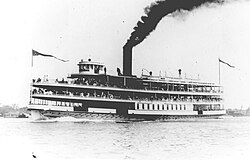
Although the company offered a refund for her ticket, Ray declined the money. Instead, she sought legal counsel from the NAACP (National Association for the Advancement of Colored People) to challenge the company's discriminatory practices.
The Legal Battle and Court Rulings
The case was first brought before the Recorder's Court of Detroit. The Bob-Lo Excursion Company was charged with wrongful discrimination and the violation of the Michigan Civil Rights Act, a state law designed to protect citizens from discrimination in public accommodations.
The local court found the company guilty and imposed a fine of $25. The company chose to appeal this decision, which elevated the case through the judicial system. The ruling was subsequently reviewed and reaffirmed by both the Michigan Supreme Court and the United States Supreme Court.
Key Facts
- Date: June 1945.
- Vessel: SS Columbia.
- Company: Bob-Lo Excursion Company.
- Legal Basis: Michigan Civil Rights Act.
- Outcome: The company was fined $25.
- Highest Authority: The U.S. Supreme Court reaffirmed the lower court's decision.
Impact on American Law
The resolution of Ray's case provided more than just a victory for a single passenger; it established a critical legal precedent. The rulings helped define the legalities surrounding the regulation of foreign commerce and explicitly prohibited racial discrimination in the use of transport vessels.
| Entity/Detail | Description |
|---|---|
| Plaintiff Support | NAACP |
| Defendant | Bob-Lo Excursion Company |
| Primary Violation | Michigan Civil Rights Act |
| Final Penalty | $25 Fine |
| Legal Precedent | Prohibition of discrimination on transport vessels |
Frequently Asked Questions
Why was Ray denied boarding on the ferry?
Ray was denied admittance because the Bob-Lo Excursion Company had an explicit policy of not allowing "colored-people" to board their ferries.
What legal organization helped Ray with her case?
Ray sought legal counsel and support from the NAACP.
Which law was the Bob-Lo Excursion Company accused of violating?
The company was charged with violating the Michigan Civil Rights Act and engaging in wrongful discrimination.
How much was the company fined by the Recorder's Court of Detroit?
The court fined the company a total of $25.
Did the higher courts agree with the initial ruling?
Yes, both the Michigan Supreme Court and the United States Supreme Court reaffirmed the decision of the local court.
What was the long-term legal significance of this case?
The case set a precedent that prohibited discrimination in the usage of transport vessels and helped define legalities in the regulation of foreign commerce.