Bird Nests: The Diverse Architecture of Avian Breeding
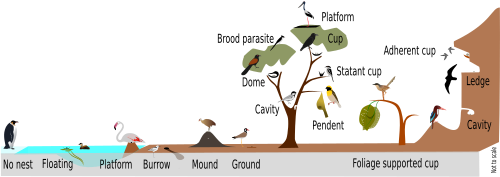
When most people think of a bird nest, they imagine a cozy cup of twigs and grass. However, in the world of ornithology, a nest is defined more broadly as any spot where a bird lays and incubates its eggs and raises its young. From simple depressions in the sand to massive mounds of rotting vegetation, avian architecture is incredibly varied. The scientific study of these structures is known as caliology or nidology.
While many birds build intricate structures, others take a more minimalist approach. Some species lay eggs directly on rocky ledges or the open ground. Others are brood parasites, laying their eggs in the nests of different species to let foster parents handle the rearing. Interestingly, nests aren't always for breeding; some birds create special dormitory or roost nests used exclusively for shelter during the non-breeding season.
Key Facts
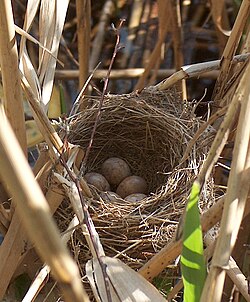
- Size Extremes: Hummingbird nests can be as small as 2 cm across, while dusky scrubfowl mounds can exceed 11 m in diameter.
- Material Adaptation: Some magpies have been observed incorporating anti-bird spikes into their nests to deter predators.
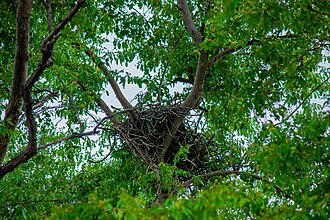
- Reuse: While most birds build fresh nests annually, raptors often refurbish massive platform nests over several years.
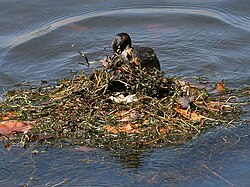
- Anthropogenic Impact: Urban birds, such as the Eurasian coot, have been found using plastic waste in nests, creating dated layers of human debris.
Specialized Nesting Types
Scrapes and Mounds
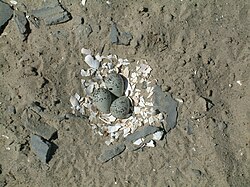
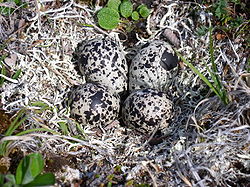
A scrape is a shallow depression in the soil. Some birds line these with materials like shell fragments to prevent eggs from sinking into mud or lichen for insulation and camouflage.
Mound nesting reaches its peak with the Australasian megapodes. These birds build enormous piles of soil and vegetation that act as giant compost heaps. The heat generated by the respiration of thermophilic fungi and microorganisms incubates the eggs, removing the need for the parent to sit on them. Some of these mounds can weigh over 50 tons.

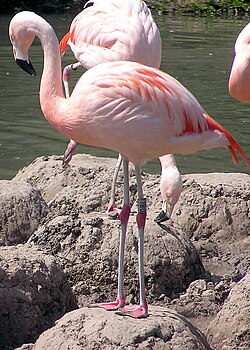
Flamingos utilize a different mound strategy, creating cone-shaped mud piles 15–46 cm tall. These mounds, often surrounded by a water-filled trench, protect eggs from fluctuating water levels and ground heat, keeping the nest up to 20 °C cooler than the surrounding ground in regions like East Africa.
Burrows and Cavities
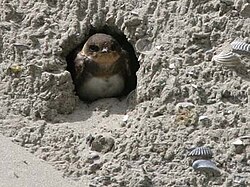
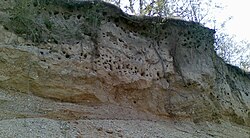
Burrow-nesting species typically dig horizontal tunnels into vertical dirt cliffs. The length of these tunnels varies wildly; sand martins dig short tunnels (50–90 cm), while burrowing parakeets can create tunnels exceeding three meters.
To avoid flooding during heavy rains, the D'Arnaud's barbet digs a vertical shaft over a meter deep with a side chamber. Other species, like the European bee-eater, may nest colonially to reduce vulnerability to predators.
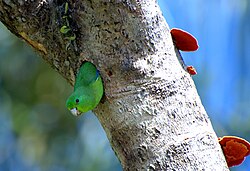
Cavity nesting is split between those who can excavate their own holes, such as woodpeckers, and "secondary cavity nesters" who utilize existing holes or natural cavities.
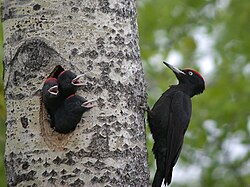
Cup, Platform, and Pendent Nests
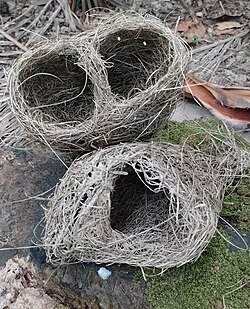
The classic cup nest is used by many songbirds. These are often reinforced with spider silk for flexibility and strength.
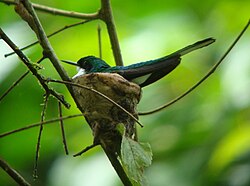
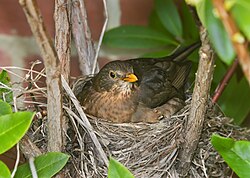
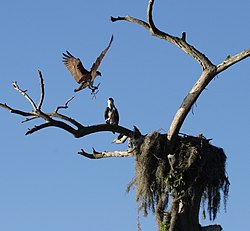
Platform nests are larger, flatter structures. Raptors like the osprey build huge platforms that are added to every season. Some waterbirds, such as grebes, build floating versions of these platforms.
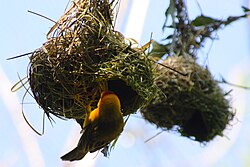
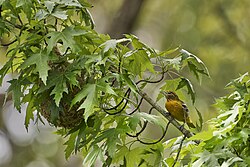
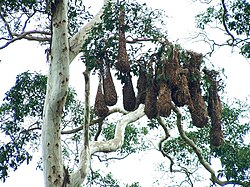
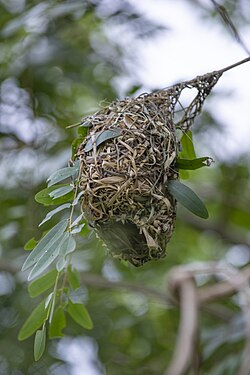
Pendent or hanging nests are elaborately woven structures. Species like the Montezuma oropendola and various weavers create these suspended homes to protect their young from predators.
Summary of Nesting Architectures
| Nest Type | Primary Characteristic | Example Species |
|---|---|---|
| Scrape | Shallow ground depression | Plovers |
| Mound | Pile of mud or organic matter | Megapodes, Flamingos |
| Burrow | Tunnel dug into earth/cliffs | Sand Martins, Bee-eaters |
| Cavity | Hole in a tree or rock | Woodpeckers, Parrots |
| Cup | Bowl-shaped structure | Blackbirds, Hummingbirds |
| Platform | Flat, sturdy base | Ospreys, Grebes |
| Pendent | Hanging, woven structure | Weavers, Orioles |
Human Intervention and Artificial Nests
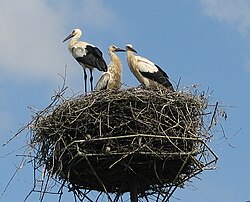
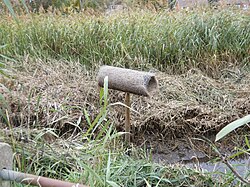
Humans often intervene to support bird populations through artificial nesting. This includes providing nest boxes or constructing large platforms to prevent birds from nesting on dangerous infrastructure, such as electricity pylons.
Frequently Asked Questions
Do all birds build nests?
No. Some species lay eggs directly on the ground or rocky ledges, and brood parasites lay their eggs in the nests of other birds.
What is the smallest bird nest?
Some hummingbirds build tiny cup nests that are only about 2 cm across and 2–3 cm high.
How do megapodes incubate their eggs without sitting on them?
They build massive mounds of organic material that act as compost heaps; the heat generated by microorganisms and fungi provides the necessary warmth for incubation.
Why do some birds use spider silk in their nests?
Many small birds use spider silk to bind nesting materials together, providing strength and flexibility to the cup structure.
Can birds use man-made materials in their nests?
Yes. Birds have been observed using plastic waste, artificial plants, and even anti-bird spikes to construct or protect their nests.