Biological Globalization: How Human Movement Reshaped the World's Species
Throughout history, the movement of people has carried more than just ideas and goods; it has carried life itself. Biological globalization refers to the phenomenon where domesticated species are intentionally brought and cultivated in new, favorable environments for human benefit. This process, driven by a growing and changing human population, has fundamentally altered the planet's ecosystems and human diets.
While many associate the movement of species with modern era trade, the practice of purposeful translocation—moving plants and animals for food, sport, military use, or even as exotic diplomatic gifts—dates back thousands of years. From ancient trade routes to the massive shifts of the 16th century, these movements have shaped the modern world.
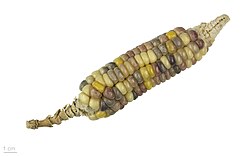
Corn, similar to a type that would have been seen in the days of the Columbian Exchange.
Key Facts
- Biological globalization involves the deliberate spread of domesticated plants and animals to new environments.
- The Columbian Exchange is one of the most significant recent examples of this phenomenon.
- Ancient trade routes, such as the Trans-Eurasian Exchange, facilitated species movement long before modern globalization.
- Translocated species have diversified human diets, improved health, and influenced global economies.
- While many introductions were purposeful, "hitchhikers" often accompanied these movements, potentially becoming invasive species.
The History of Species Translocation
Long before the modern era, ancient trade routes connected Asia, Europe, the Middle East, Africa, and India. These overland paths, often referred to as the Trans-Eurasian Exchange, allowed for the early movement of biological material.
Translocation of Domestic Animals
One of the earliest recorded examples of biological globalization is the spread of the Zebu, a species of cattle originating in South Asia. By 3000 BCE, Zebu had been introduced to Mesopotamia and Arabia. By 1500 BCE, they reached the central plains of Asia and China, and by 600 BCE, they had arrived in Africa, where they remain a common type of cattle today.
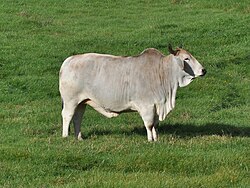
A Zebu, originally from South Asia, now common in Africa
Translocation of Birds and Exotic Species
The desire for exotic animals has driven species movement for centuries. The European aristocracy, in particular, has a long history of importing plants and animals that eventually became so integrated into the landscape they appeared native. For example, the Black Francolin was documented in the Mediterranean as early as the 1st century CE during the time of Pliny the Elder. Though once thought to be native, DNA tracing has revealed its true origins in Asia.

A Black Francolin, brought to the Mediterranean from South Asia in early CE as a game bird
Other notable avian translocations include the peacock, moved from Asia to Greece during the time of Alexander the Great, and the Chukar partridge, which traveled along the Silk Road in the early BCE period.
The Movement of Plant Crops
The global landscape of agriculture is a direct result of centuries of plant movement. Stone fruits, such as peaches, plums, and cherries, were tracked from China to Europe. Similarly, citrus fruits moved from Southeast Asia to Europe during Roman and Medieval times. Even staples like apples and pears migrated from Southeast Asia to China around 400 BCE.
The Columbian Exchange and Modern Globalization
The most famous era of biological globalization began around 1500 CE with the Columbian Exchange. As the "Old World" colonized the "New World," a massive exchange of biological material occurred. The Old World introduced crops like corn, peppers, tomatoes, and pineapples to the Americas. In return, Europeans brought apples, pears, stone and citrus fruits, bananas, and coconuts to the New World.
This exchange has had lasting economic impacts. For instance, the apple tree—a symbol of American homesteading—actually underwent multiple translocations, originating in Southeast Asia, moving to China, then to Europe, and finally to North America.
| Category | Species Example | Origin Area | Destination Area |
|---|---|---|---|
| Livestock | Zebu Cattle | South Asia | Africa / Mesopotamia |
| Birds | Black Francolin | Asia | Mediterranean |
| Fruit | Citrus | Southeast Asia | Europe |
| Crops | Corn/Maize | Americas | Old World |
| Crops | Wheat | Various | Global |
The Economic Power of Wheat
In the modern era, biological globalization has fueled the global economy through advanced agricultural technology. Wheat is a primary example; while technically an invasive species in many regions where it is grown, its economic importance is so vast that it is not classified as such. Through selective breeding, wheat has been adapted to survive in diverse climates, from the mild coasts to the harsh, cold regions of Canada and Russia.

Snow covered wheat, wheat has been bred to have a wider range of climactic tolerances by globalization.
This "back-and-forth" of genetics—where hardy North American wheat varieties are cross-bred with Old World strains—has allowed countries like the United States and Ukraine to become major global wheat exporters.
Frequently Asked Questions
What is the difference between biological globalization and the Columbian Exchange?
Biological globalization is the broad phenomenon of moving domesticated species to new environments. The Columbian Exchange is a specific, famous historical event occurring after 1500 CE involving the exchange of species between the Old and New Worlds.
Can biological globalization be harmful?
Yes. While many translocations were purposeful and beneficial for food security, "hitchhikers" (unintended species that travel with goods) can become invasive species, potentially disrupting local ecosystems.
Why is wheat not considered an invasive species?
Although wheat is technically invasive in many countries where it is grown, it is not classified as such because of its immense economic importance to human civilization.
How did the aristocracy influence species movement?
Wealthy elites often imported exotic plants and animals for menageries, gardens, or as status symbols. This long-term interest led to many species becoming so established in new regions that they are often mistaken for native species.
What role does selective breeding play in globalization?
Selective breeding allows crops to adapt to new climates. For example, breeding wheat to withstand colder or harsher environments has allowed it to be grown in regions far from its original habitat, facilitating a global agricultural economy.