Belt-Driven Bicycles: The Low-Maintenance Alternative to Chains
For decades, the metal chain has been the standard method for transferring power from a cyclist's pedals to the rear wheel. However, a growing segment of the cycling world—particularly commuters and fitness enthusiasts—is turning toward a cleaner, quieter alternative: the belt drive. A belt-driven bicycle is a chainless system that utilizes a flexible, synchronous toothed belt to transmit power, offering a unique set of advantages and technical considerations.
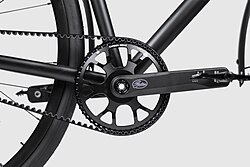
The Benefits of Switching to a Belt Drive
The primary appeal of belt drives lies in their efficiency and ease of use. Because they do not require traditional petroleum-based lubricants, they offer several practical advantages for the everyday rider:
- Low Maintenance: There is little to no need for regular lubrication.
- Cleanliness: The absence of grease means no oily residue on clothing or hands.
- Durability: Belts are often more durable than metal chains and are completely immune to rust.
- Quiet and Smooth: The operation is significantly quieter and smoother than a mechanical chain.
- Weight: In certain configurations, belt drives can offer a lower overall weight than a chain system.
Technical Challenges and Considerations
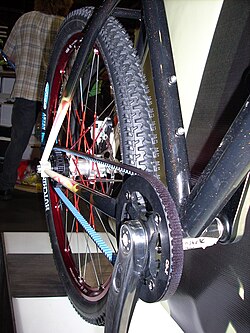
While the benefits are significant, belt drives require specific engineering solutions that differ from conventional bicycles. Because a belt is a continuous loop that cannot be easily broken and re-joined like a chain, the bicycle frame must be designed with a split rear triangle or an elevated chainstay to allow the belt to be installed.
Gearing and Alignment
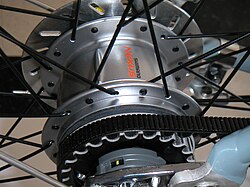
Unlike traditional drivetrains, belts cannot be used with standard derailleurs (the mechanisms that move a chain between different sized sprockets). Instead, riders must use an internal gear hub—a system where the gears are contained within the rear hub—to achieve multiple gear ratios.
Precision is also critical. The front and rear pulleys (or sprockets) must be perfectly aligned to prevent excessive friction and premature wear. Furthermore, belts typically operate at a higher tension than chains to prevent "skipping." While this ensures reliable power transfer, high tension can potentially reduce the lifespan of the bottom bracket and rear hub bearings.
Tensioning Methods
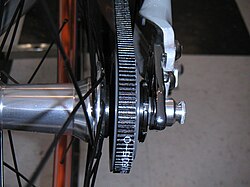
To maintain the correct tension, manufacturers use several different methods:
- Horizontal Dropouts: Moving the rear axle along a horizontal line to adjust the distance between the crank and the wheel.
- Tensioner Pulleys: Using a separate pulley to change the effective travel distance of the belt.
- Eccentric Bottom Brackets: Using an offset bracket to shift the position of the crank axle.
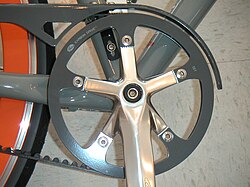
A Brief History of Bicycle Belts
The concept of the bicycle belt drive is not new. The first patent in the United States was granted to Charles D. Rice in 1890. By 1898, Mathew Joseph Steffens patented an electric bicycle that utilized a belt attached to the periphery of a pneumatic-tired wheel.
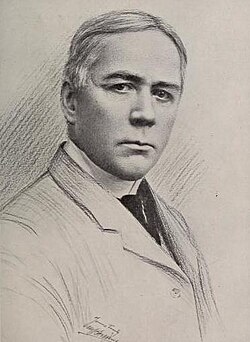
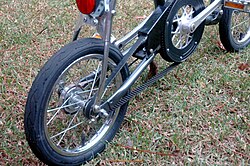
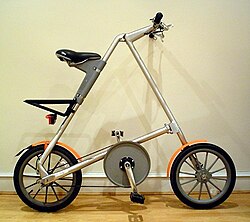
In the 1980s, the Bridgestone Picnica introduced a folding bicycle using a tooth-belt drive similar to automotive timing belts. This was followed in 1987 by the Strida, a famous folding bicycle designed by Mark Sanders in collaboration with the Gates Corporation. Since then, the technology has evolved from early, sometimes problematic designs to the highly sophisticated Gates Carbon Drive System, which features specialized sprockets with "mud ports" to shed debris.
Key Facts
- Primary Advantage: Extremely low maintenance and lubrication-free operation.
- Gearing Requirement: Requires internal gear hubs or gearboxes rather than derailleurs.
- Frame Design: Requires a frame with an opening in the rear triangle for belt installation.
- Modern Standard: The Gates Carbon Drive is a leading high-performance system in the industry.
- Historical Milestone: The Strida folding bike helped popularize the belt drive in the late 1980s.
Comparison Summary
| Feature | Belt Drive | Chain Drive |
|---|---|---|
| Maintenance | Very Low | Moderate to High |
| Lubrication | Not Required | Required Regularly |
| Noise Level | Very Quiet | Audible Mechanical Noise |
| Rust Risk | None | High if not maintained |
| Gearing Method | Internal Hubs/Gearboxes | Derailleurs/Freewheels |
Frequently Asked Questions
Can I convert my existing chain bike to a belt drive?
It is difficult because most standard frames do not have the necessary opening in the rear triangle to insert a continuous belt. However, companies like Veer Cycles have developed conversion kits that use a spliced belt to bypass this requirement.
Do belt-driven bikes have multiple gears?
Yes, but they do not use derailleurs. Instead, they rely on internal gear hubs (like Shimano Alfine or Rohloff) or bracket-mounted gearboxes (like Pinion) to provide different gear ratios.
Are belt drives as strong as chains?
Modern systems, such as the Gates CenterTrack, are engineered for high strength. For example, the 11mm wide CDX belt is designed to be 20% stronger than previous iterations and is suitable for severe off-road use.
Why are belt drives popular for commuters?
Commuters value the cleanliness and low maintenance. Because the belt does not require oil, there is no risk of getting grease on trousers, and the bike is always ready to ride without frequent cleaning or lubrication.
What happens if the belt is misaligned?
Misalignment can cause excessive friction and wear on both the belt and the sprockets. Modern designs, such as the CenterTrack system, are specifically engineered to be more tolerant of misalignment than older models.